Pretoria, in Gauteng, is South Africa’s executive capital, the seat of its government’s executive branch and home to every foreign embassy. Marthinus Pretorius founded it in 1855 and named it after his father. Its stories here are a young lawyer kicked into the street, a war correspondent over a wall, a speech from the dock, three prisoners with wooden keys, and a rabbit in a bronze ear.
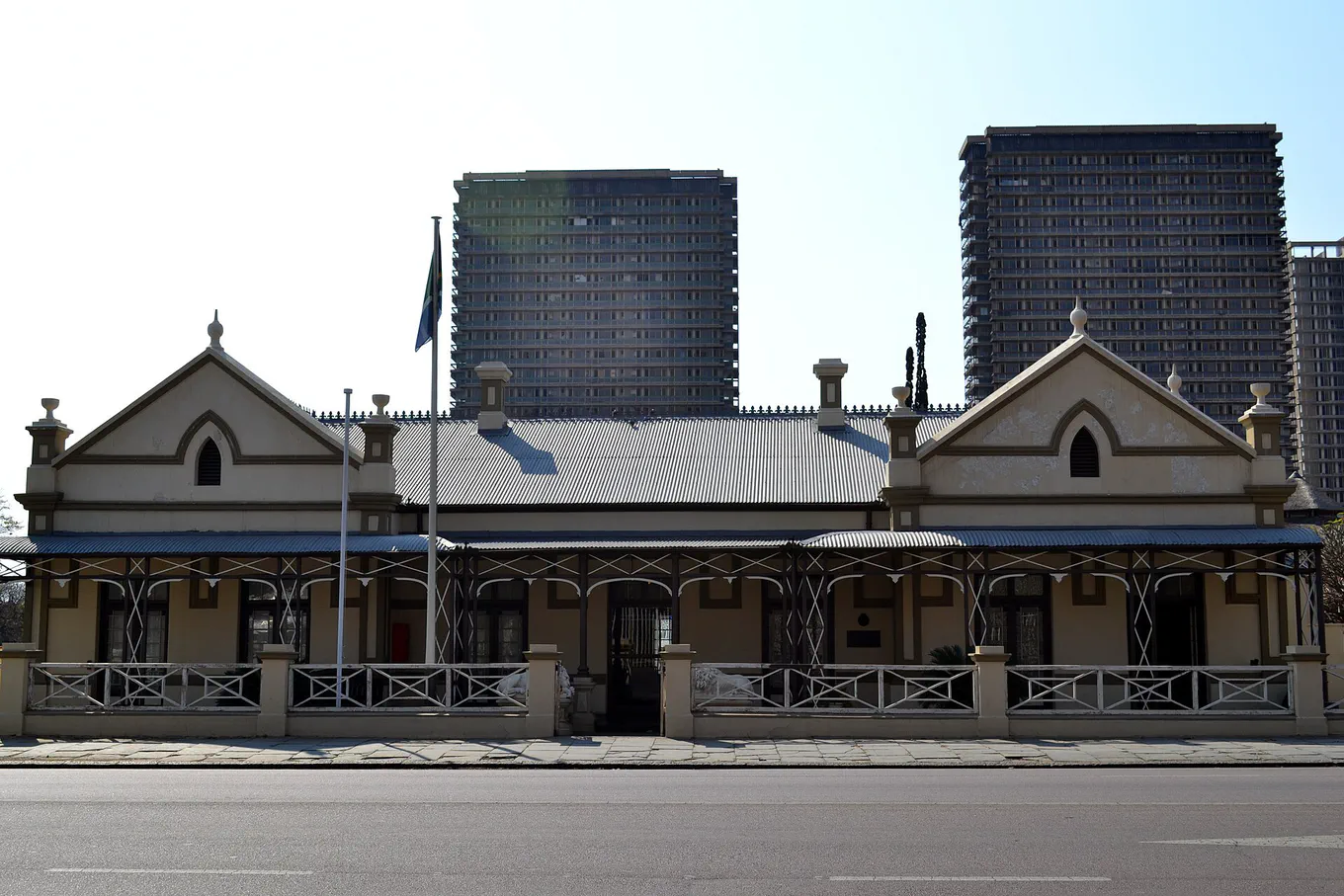
Mahatma Gandhi was a 23-year-old lawyer, in Pretoria on a client’s case in 1893. The law barred Indians from public footpaths, yet he walked the footpath past President Kruger’s modest house without trouble from the police patrol outside. But the men on duty changed, and one of them pushed and kicked him into the street without warning. A friend saw it and offered to be his witness in court. Gandhi refused. He had a rule never to go to court over a personal grievance.
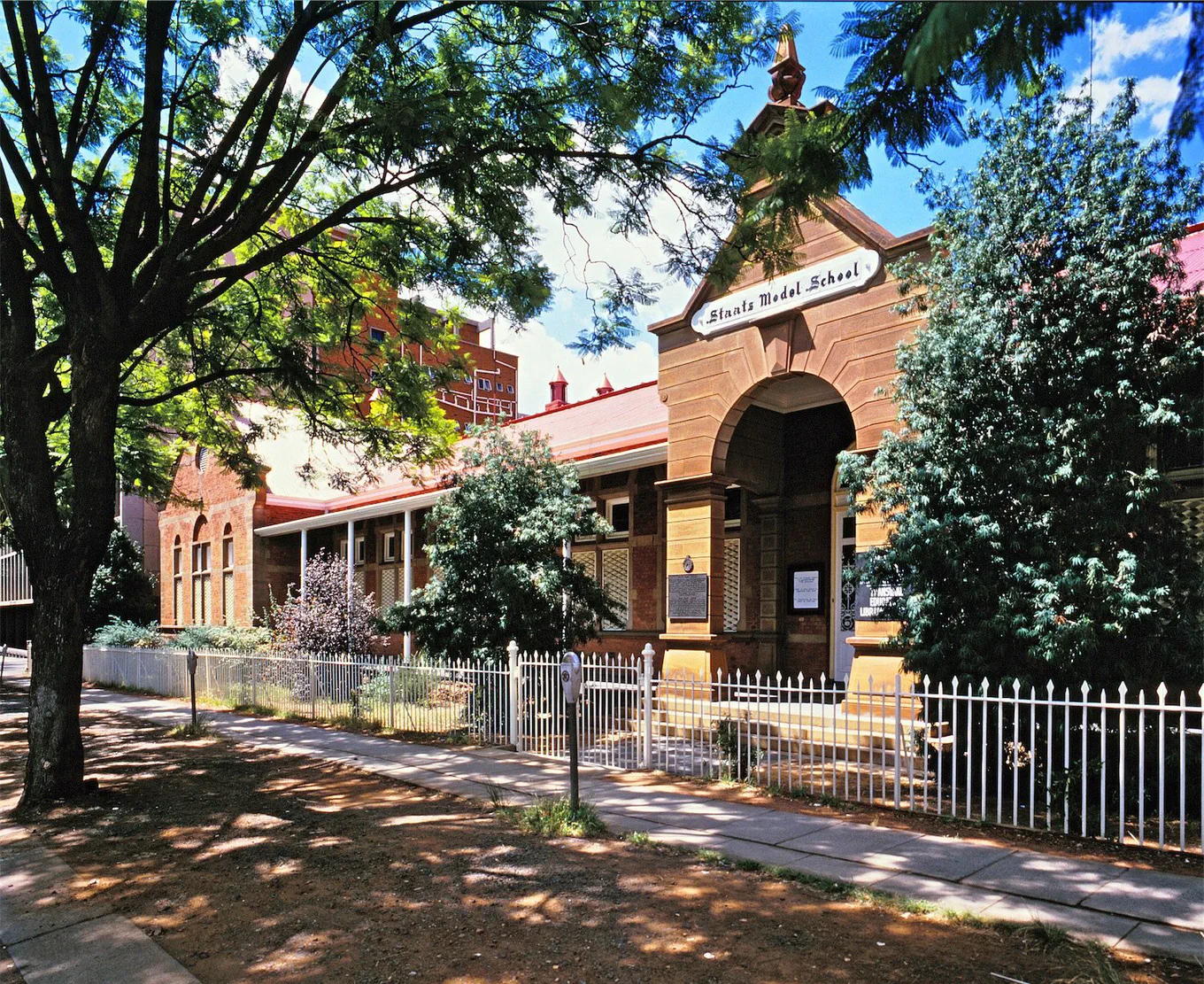
During the Second Boer War, Boer shelling derailed a train carrying Winston Churchill, then a war correspondent, and the Boers locked him up in this school. He planned to escape with two fellow prisoners, but on 12 December, once Churchill was over the wall, the other two couldn’t follow. He crossed enemy country alone, hiding in a mine and on freight trains, with a £25 reward for his arrest. He reached Portuguese East Africa filthy, covered in wool fibres, and famous.
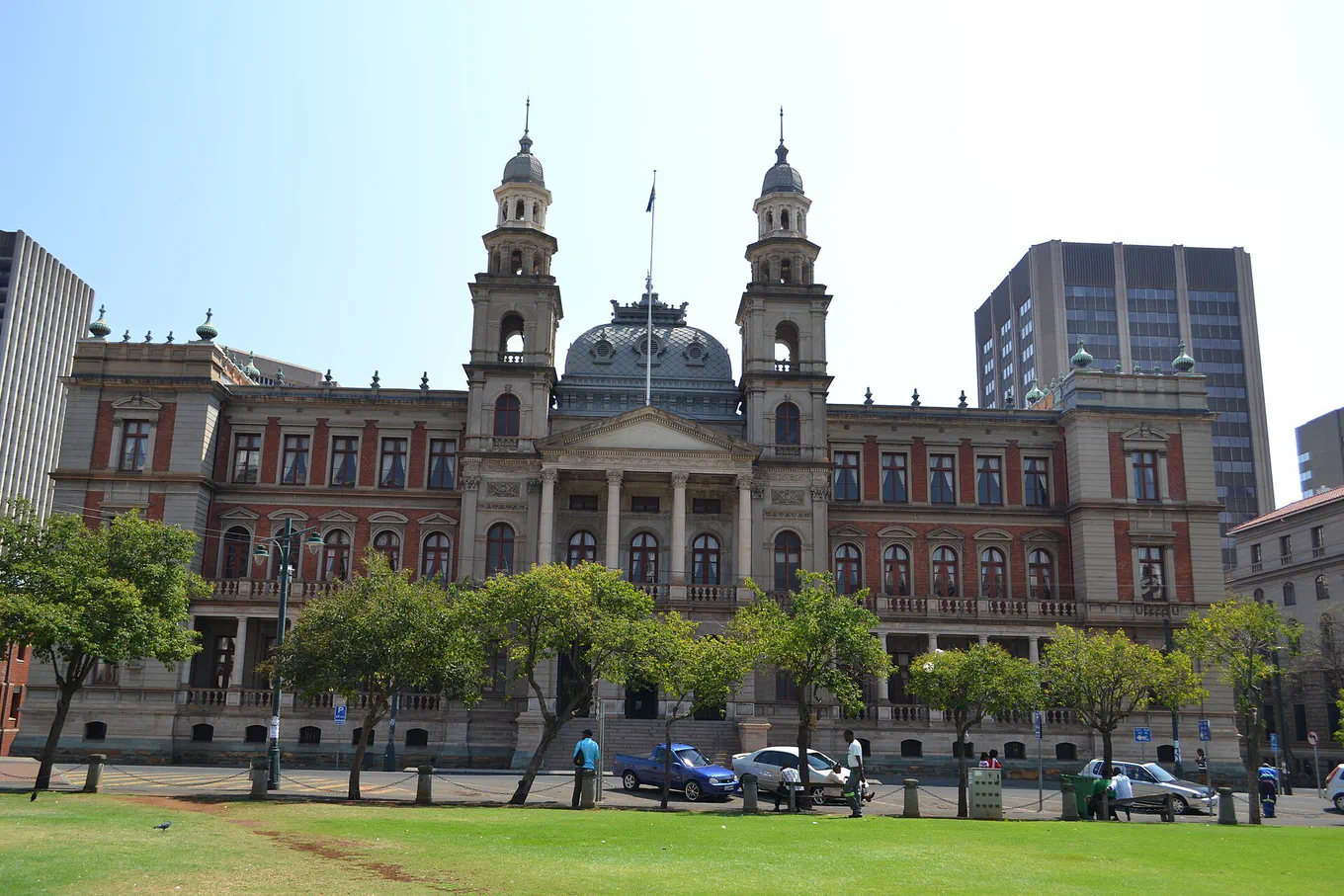
For three hours on 20 April 1964, Nelson Mandela spoke from the dock in the Rivonia Trial. The prosecution never formally asked for the death penalty, but close observers believed it was implied. Mandela told the court a free society was his ideal. “But if needs be, it is an ideal for which I am prepared to die.” On 12 June 1964, eight of the defendants were sentenced to life imprisonment, not death. Several served 26 years, on Robben Island and in Pollsmoor Prison.
4 Tim Jenkin’s wooden keys and the escape from Pretoria Prison
Stand here. Kgosi Mampuru Street, once Potgieter Street. The prison here, Pretoria Central, was renamed Kgosi Mampuru II in 2013.
Daniel Radcliffe played Tim Jenkin in Escape from Pretoria, a film shot in Adelaide, but the keys were real. Jenkin was serving 12 years for producing pamphlets for banned organisations, locked in the prison’s maximum-security section for white political prisoners. Between him and the street stood door after door, so he copied the keys in wood and wire. In December 1979, he and two others let themselves out and found the street deserted. They still had to leave South Africa, and did, through Mozambique to London.
5 The rabbit in Mandela’s ear at the Union Buildings
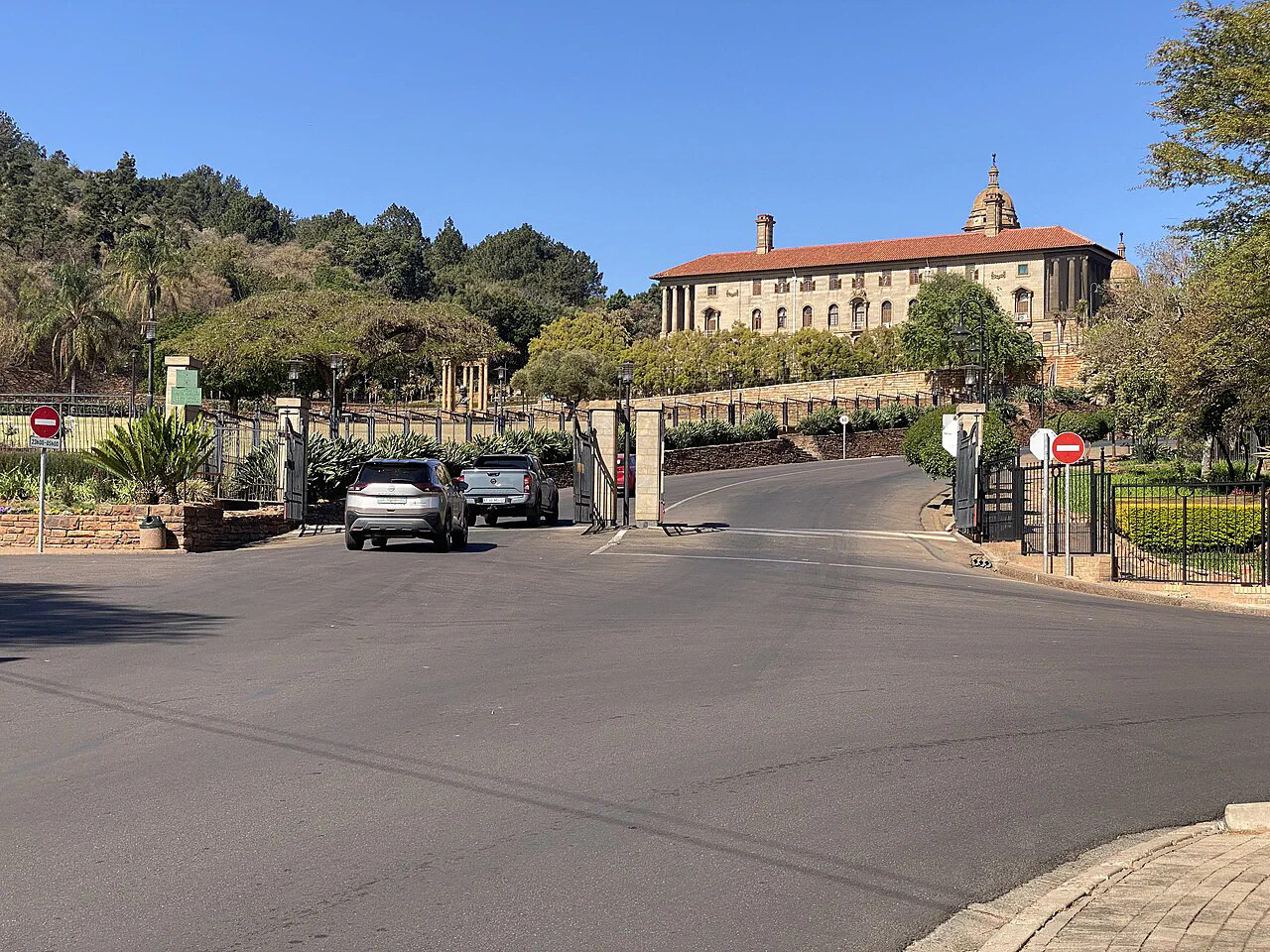
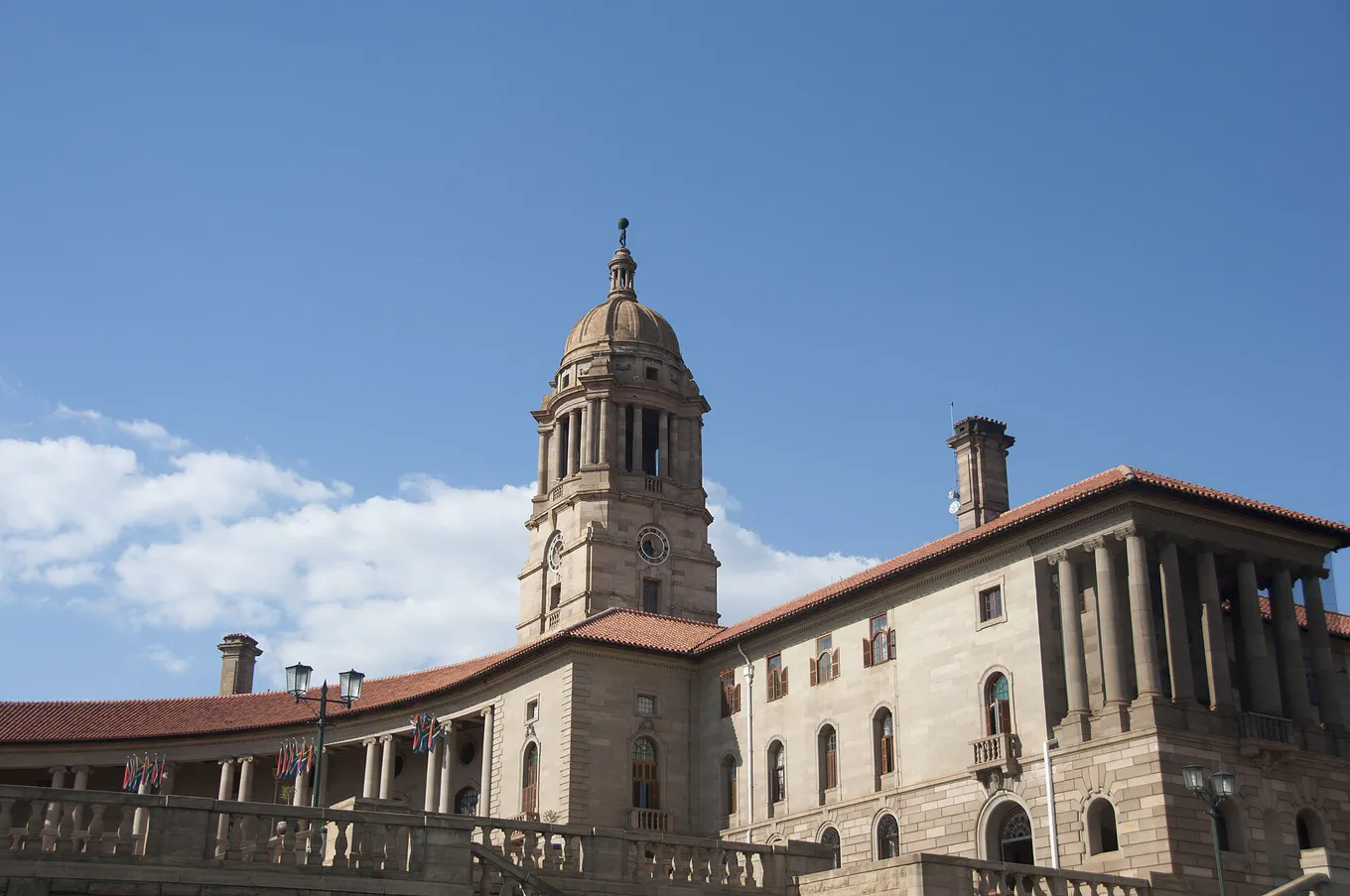
Stand here. The Union Buildings on Meintjeskop, where Nelson Mandela was inaugurated as president in 1994. His statue stands here, without its rabbit.
The bronze Nelson Mandela here, nine metres tall, was unveiled on 16 December 2013, closing the ten days of official mourning for him. Its sculptors had made it in a hurry, with no time to sign it, so they hid a rabbit in his ear. In Afrikaans, haas means both rabbit and quickly. A furore followed, and the artists apologised. Dali Tambo said they should have consulted him, and that the rabbit must come out at their own cost. “The rabbit now exists, so we can’t melt it down.”
Pack nothing. Leave Friday.
Every Friday, I write a free letter, Journey, that takes us on a trip through places, stories, and ideas.
The Story of My Experiments with Truth(M. K. Gandhi, trans. Mahadev Desai). A memoir. His account of a guard kicking him off the footpath outside Kruger’s house.
My Early Life(Winston Churchill, 1930). A memoir. Churchill became famous from his escape as a prisoner of war in the Boer War.
Inside Out: Escape from Pretoria Prison(Tim Jenkin, 2003). A memoir. Jenkin’s own account of breaking out of Pretoria Local Prison, part of the Pretoria Central Prison complex.
Films to watch before you visit Pretoria
Escape from Pretoria(Francis Annan, 2020). A film, based on Jenkin’s memoir, with Daniel Radcliffe as Jenkin. Set in Pretoria Central Prison and shot in Adelaide.
Matwetwe(Kagiso Lediga, 2019). A film set in a Pretoria township and scripted in pitori slang, about two young botanist wannabes who want to create a strain of weed called ‘matwetwe’.
Silverton Siege(Mandla Dube, 2022). A film. Based on the real-life 1980 siege in Silverton, Pretoria, and shot on location in the city, it follows a police chase into Volkskas Bank near Church Square.
Questions
Where did the Rivonia Trial take place?
In Pretoria, at two places. One was the Palace of Justice, which stands on the northern side of Church Square and is now the headquarters of the Gauteng Division of the High Court. The other was the Old Synagogue. On 12 June 1964, eight of the defendants were sentenced to life imprisonment.
Why is Pretoria called the Jacaranda City?
Because of the thousands of jacaranda trees planted along its streets and in its parks and gardens. It is a nickname South Africans sometimes use. The city’s real name honours Andries Pretorius, the father of its founder, Marthinus Pretorius.
What happens at the Voortrekker Monument on 16 December?
The monument stands just south of Pretoria. At noon every 16 December, a ray of sunlight comes through an opening in its dome and falls on the centre of the Cenotaph. The date is that of the Battle of Blood River in 1838, marked before 1994 as the Day of the Vow and now the Day of Reconciliation.