Gandhi had his appendix out at Sassoon Hospital in 1924, and halfway through, a storm cut the power. Imagine how we’d handle that 100 years later. Gandhi’s surgeon finished by the light of a hurricane lamp. (We fall to the level of our training, as the saying goes.)
— Nick
Pune stands on the Deccan Plateau in Maharashtra, western India, 149 km south-east of Mumbai by road. From 1728 to 1818 it was the seat of the Peshwas, the chief ministers of the Maratha Empire. Its stories here are a boy Peshwa’s murder, India’s first girls’ school, Gandhi’s operation by lamplight, his wife’s death in a palace prison, and a guru who came back.
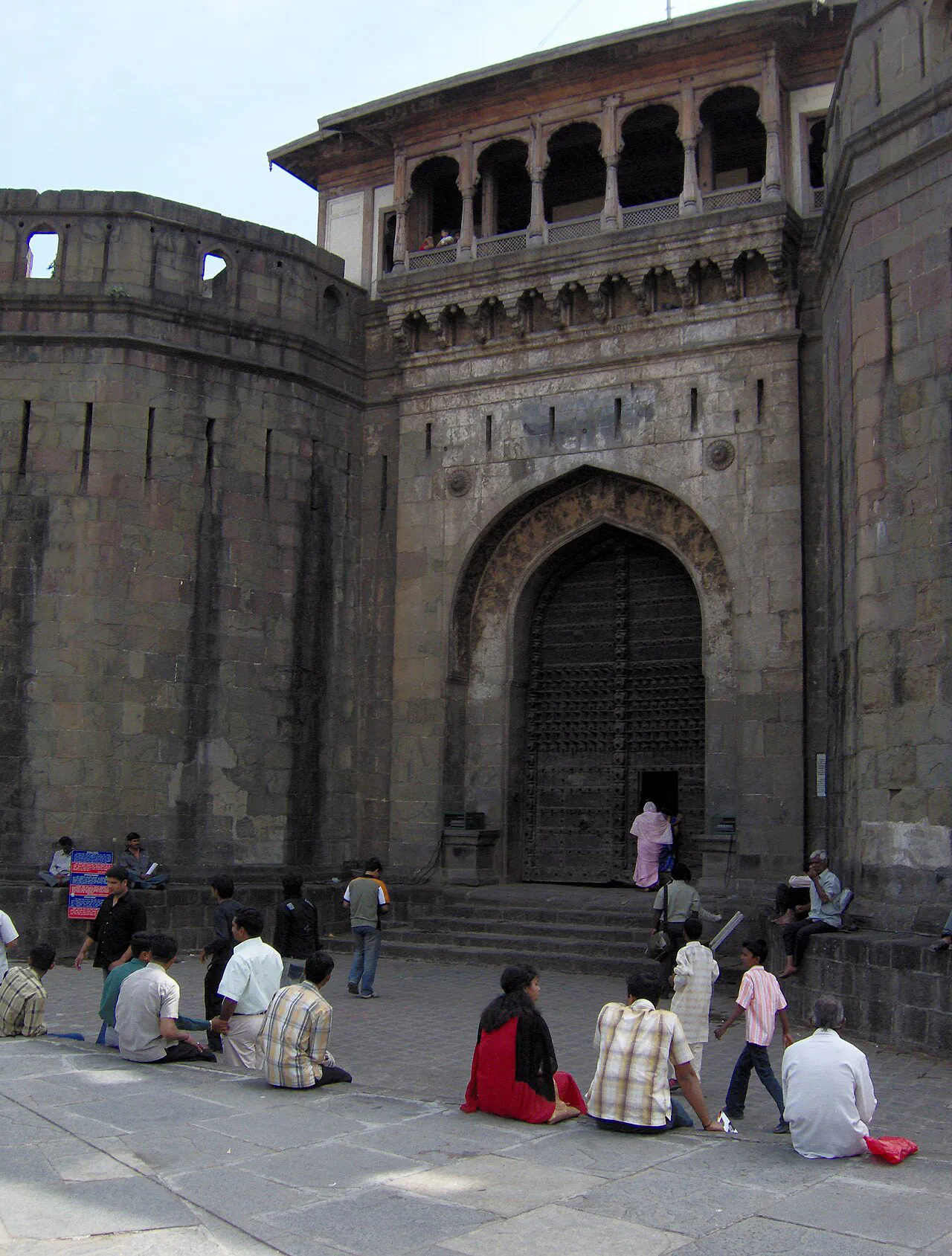
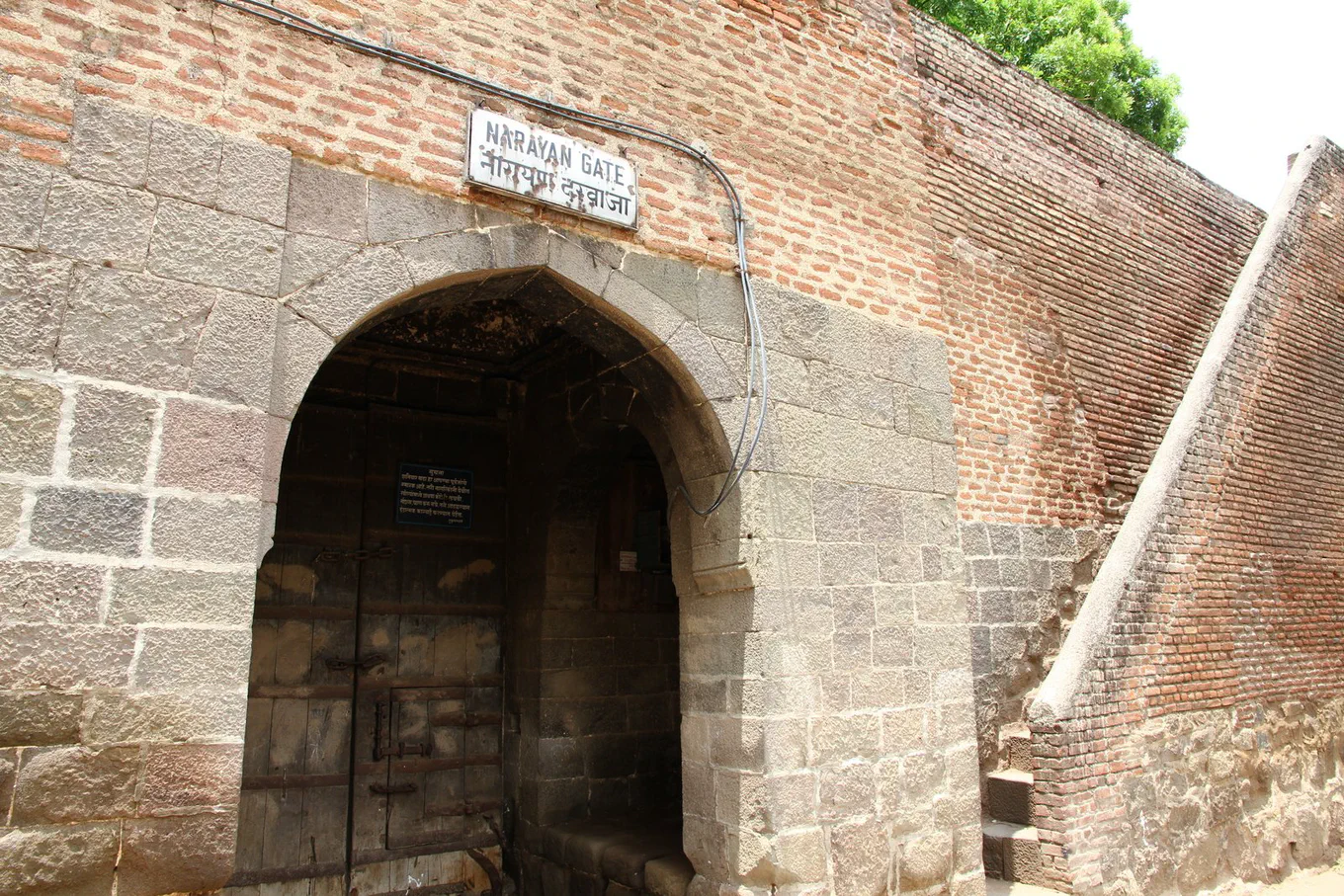
Stand here. The Narayan Darwaja at Shaniwar Wada, in Kasba Peth, the gate Narayanrao’s body was carried through. Inside the walls, a garden holds the foundations.
Bajirao, the Peshwa of the film Bajirao Mastani, built Shaniwar Wada, and in 1773 it belonged to a boy. Narayanrao had been made Peshwa at seventeen, and his uncle Raghunathrao, Bajirao’s younger son, wanted the title. Raghunathrao wrote an order for the guards to seize him. Legend says his wife, Anandibai, changed one letter, so that “hold” read “kill”. Narayanrao ran to his uncle and clung to him. The guards cut him down anyway. People working nearby still claim to hear his cry on full-moon nights: “Uncle, save me!”
2 Savitribai Phule’s girls’ school at Bhide Wada
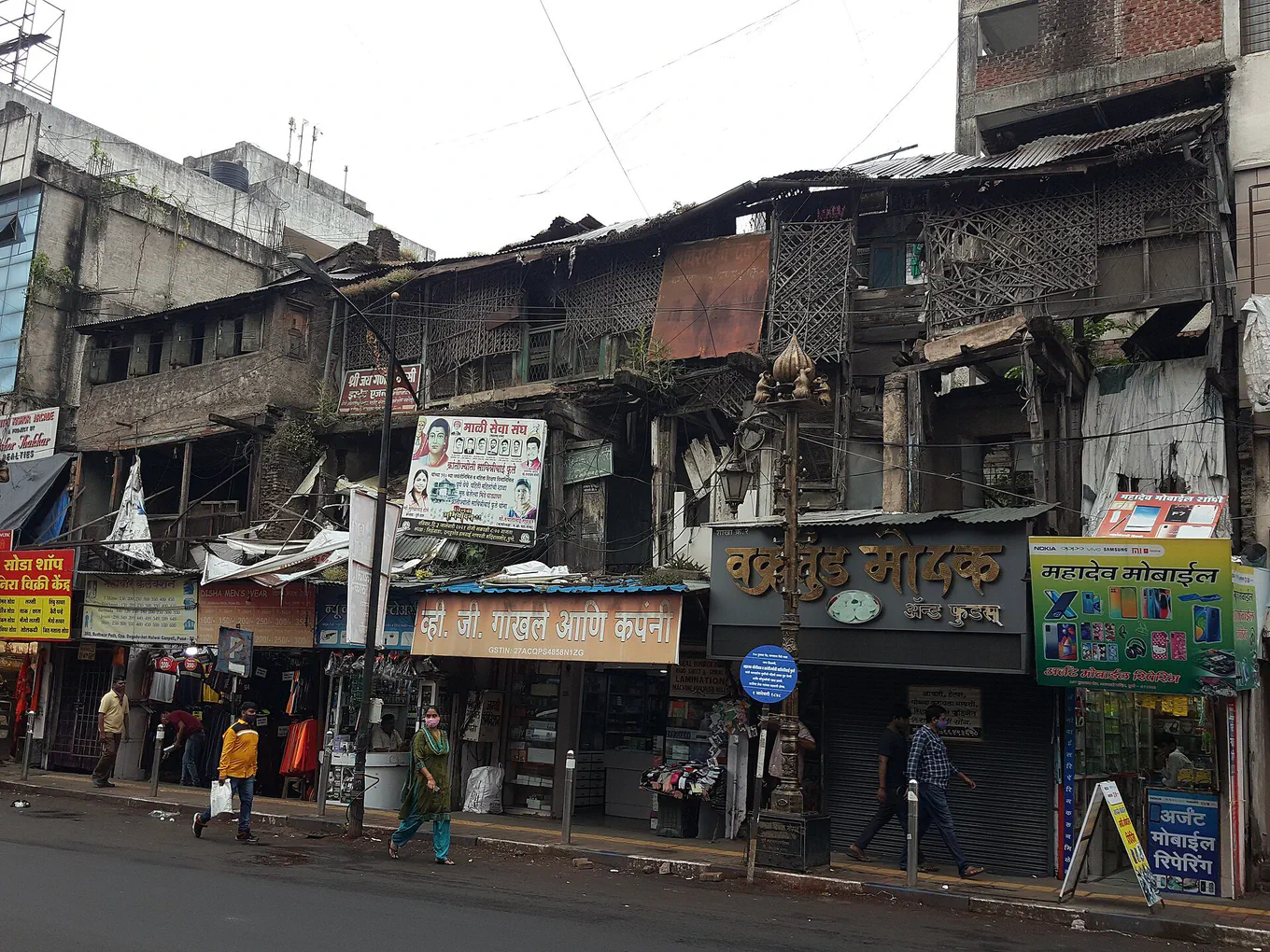
Stand here. Bhide Wada, in Budhwar Peth, near the Limbraj Maharaj Temple. The city razed the crumbling house in 2023 to make way for a national memorial.
Married at nine, Savitribai Phule could not read. Her husband, Jyotirao, taught her at home, and in January 1848 they opened a school for girls at Bhide Wada. It became India’s first girls’ school. By one account, opponents pelted Savitribai with stones and cow dung on her way there, so she carried a spare sari. In 1849, Jyotirao’s father threw them out, because their work was thought a sin. Friends, Usman and Fatima Sheikh, took them in, and Savitribai and Fatima opened a school in the Sheikhs’ home.
3 Gandhi’s appendix operation by lamplight at Sassoon Hospital
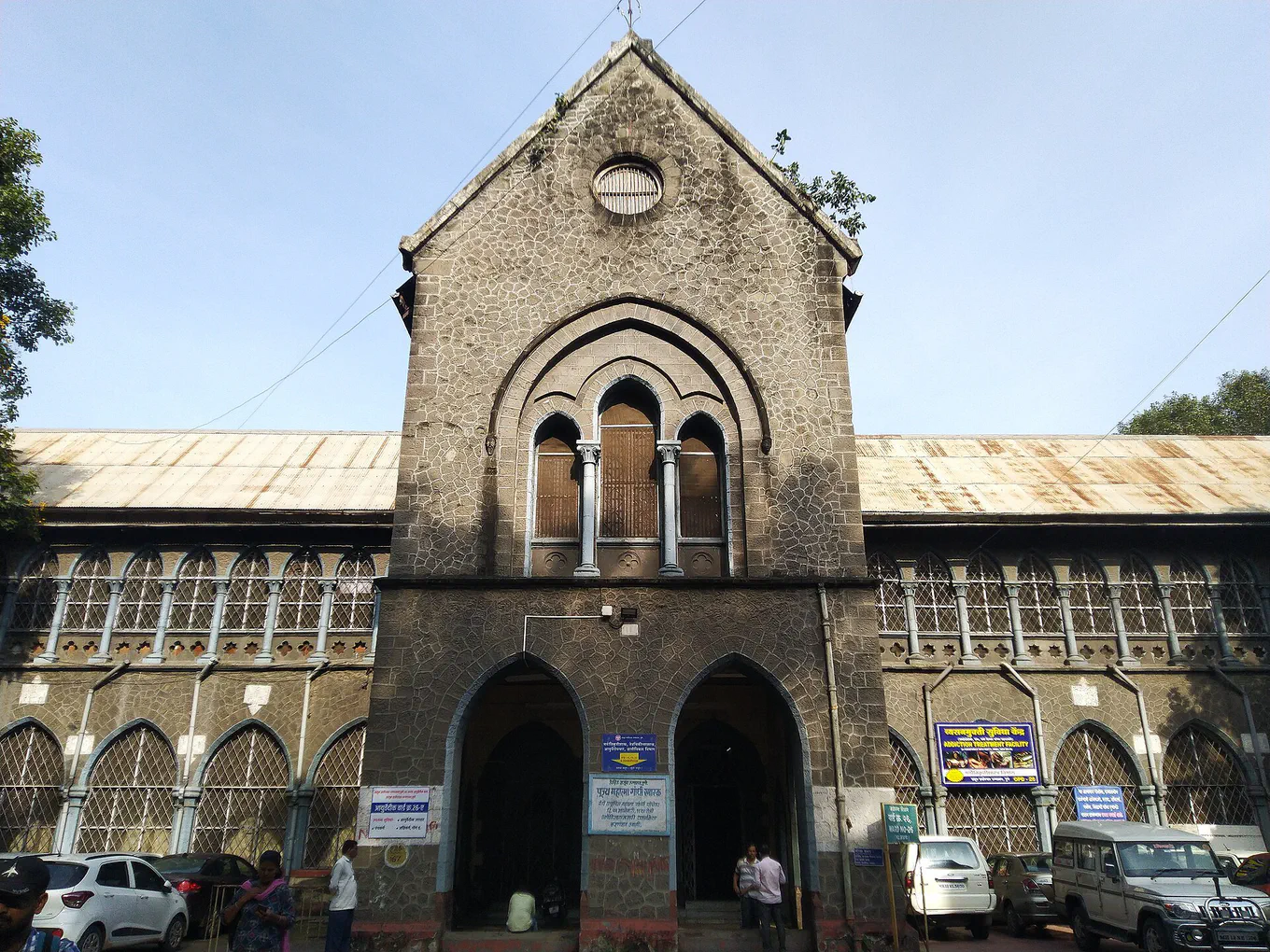
Stand here. Sassoon Hospital, still a large state-run hospital. The theatre where Gandhi was operated on is a memorial.
Mahatma Gandhi was a prisoner in Yerwada jail when, on 12 January 1924, he was taken to Sassoon Hospital with appendicitis. The government was ready to wait for Indian doctors from Mumbai, but the British surgeon, Colonel Maddock, said he must operate at once. Gandhi agreed, and signed a statement in pencil asking for no agitation, whatever happened. “See how my hand trembles,” he said, laughing. Mid-operation, a thunderstorm cut the power. A nurse’s flashlight went out. Maddock finished by the light of a hurricane lamp.
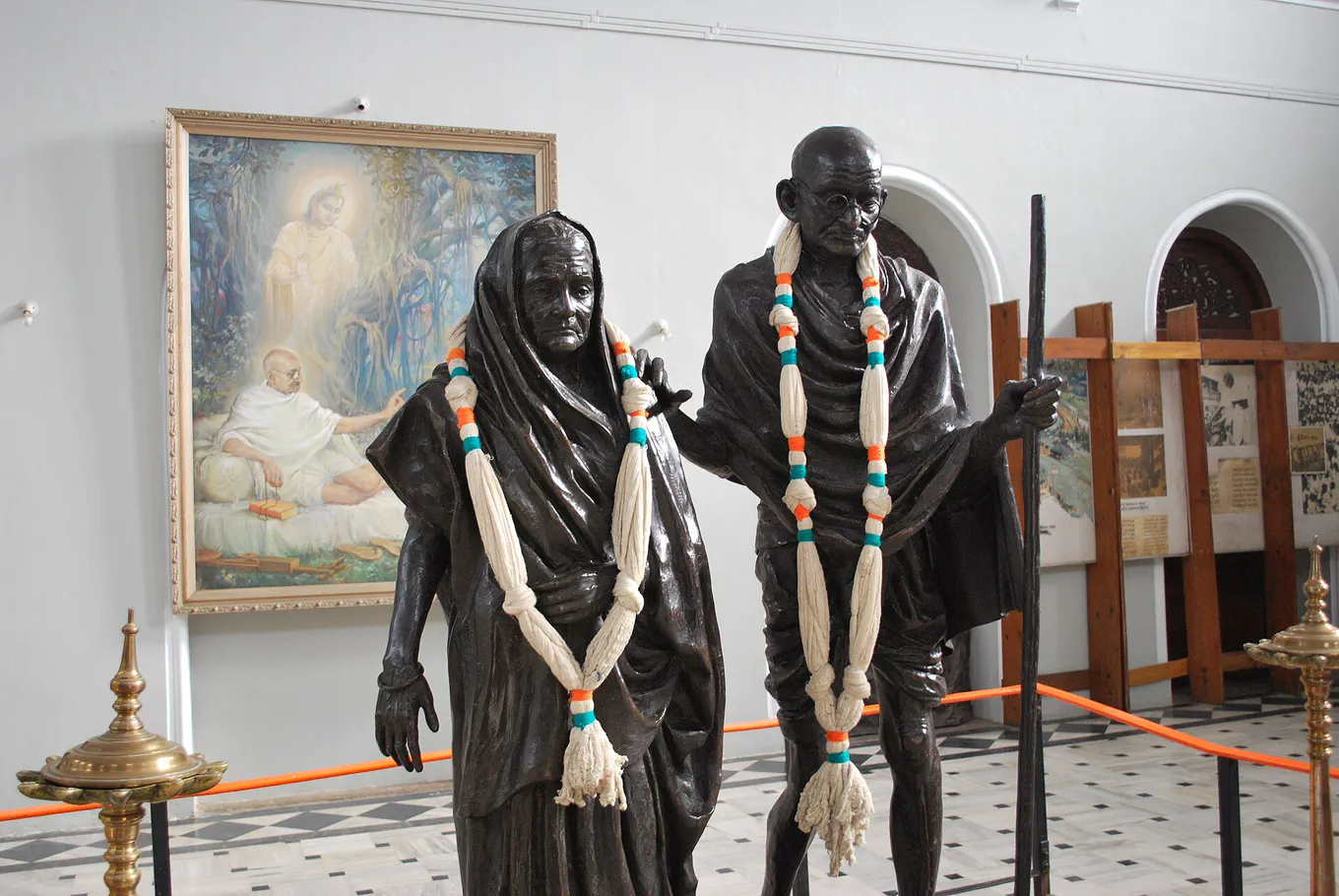
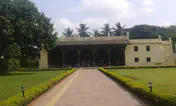
If you’ve seen Attenborough’s Gandhi, you’ve seen Kasturba die under house arrest. It happened here. In August 1942, after the launch of the Quit India Movement, Gandhi, Kasturba, and his secretary of 25 years, Mahadev Desai, were interned in this palace. Within a week, Desai died, and Gandhi washed the body himself. Then Kasturba had two heart attacks. Her son ordered penicillin, and it reached the palace verandah, but her doctors didn’t want to try it. She died on 22 February 1944. Gandhi was released that May, without her.
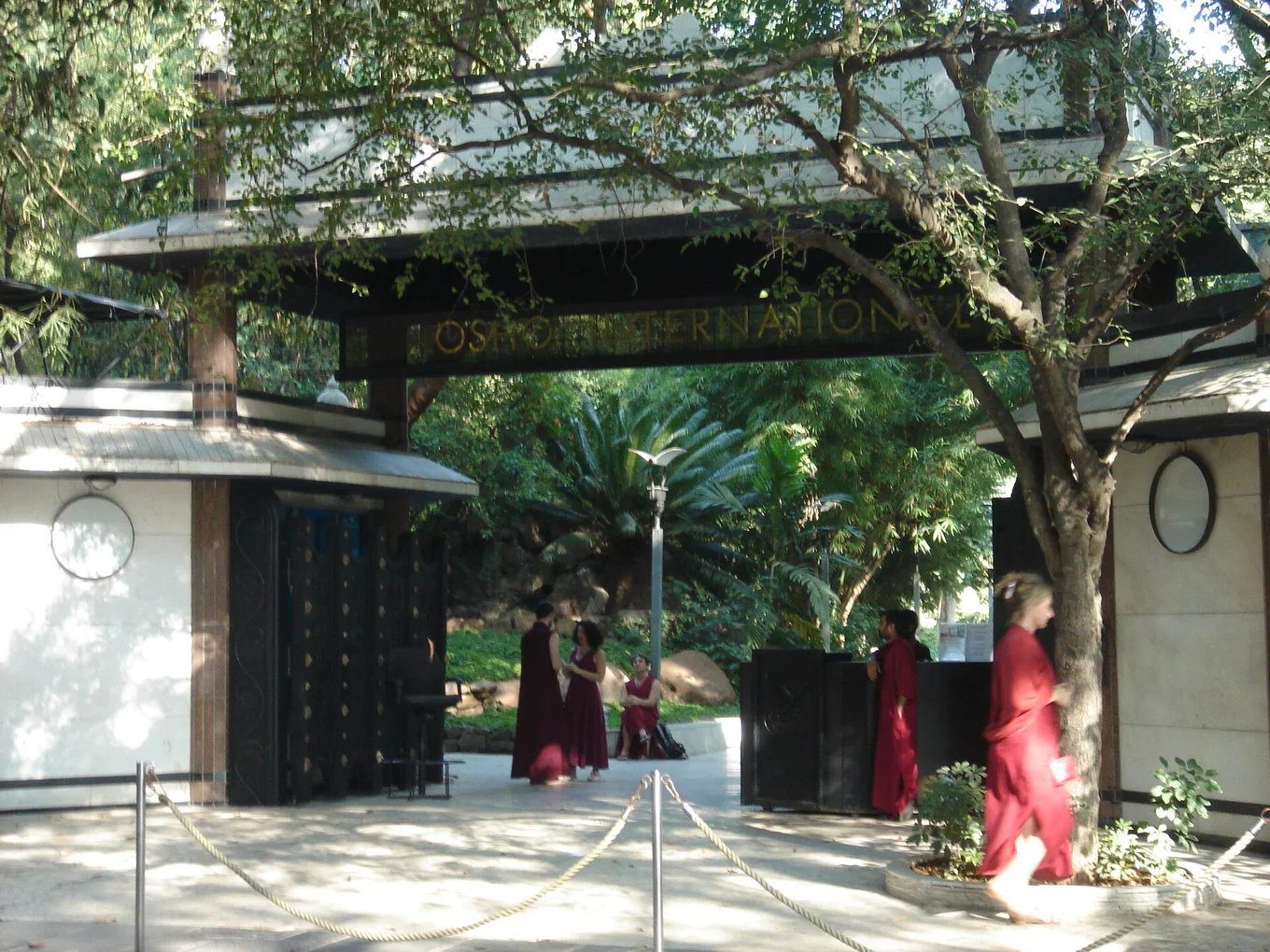
Netflix’s Wild Wild Country is about Rajneesh, the guru later known as Osho. In 1974, he moved into two houses on six acres in Koregaon Park. Within seven years, the ashram drew 30,000 visitors a year, but the Indian government stopped visas for foreigners bound for it and cancelled its tax exemption. Rajneesh left for Oregon. Deported from the US, he came back to this ashram in 1987 and died here three years later. His epitaph says he “only visited this planet Earth”.
Pack nothing. Leave Friday.
Every Friday, I write a free letter, Journey, that takes us on a trip through places, stories, and ideas.
Ghashiram Kotwal(Vijay Tendulkar, 1972). A Marathi play about Nana Phadnavis, a minister at the Peshwa’s court in Pune, first performed in the city.
My Life in Orange(Tim Guest, 2004). A memoir of a boy growing up in the Rajneesh movement, taken by his mother to the ashram in Koregaon Park in 1981.
Poona Company(Farrukh Dhondy, 1980). A book of short stories. Set in the Poona of Dhondy’s boyhood, around Sarbatwalla Chowk in the bazaar part of the area known as “Camp”.
Films to watch before you visit Pune
Bajirao Mastani(Sanjay Leela Bhansali, 2015). A film. The Peshwa Bajirao I and his second wife, Mastani, with an exact replica of Shaniwar Wada built as a set.
Gandhi(Richard Attenborough, 1982). A biographical film. Kasturba dies under house arrest, and the cast includes a doctor at the Aga Khan Palace.
Wild Wild Country(Maclain Way and Chapman Way, 2018). A Netflix documentary series about Rajneesh.
Questions
Can you visit the Aga Khan Palace, where Kasturba Gandhi died?
Yes. The palace, where Gandhi, Kasturba, and Mahadev Desai were held from 1942 to 1944, was given to the Indian people by Aga Khan IV in 1969. It now houses a Gandhi museum in six galleries. The samadhis of Kasturba and Desai are in the grounds, and a portion of Gandhi’s ashes was moved there in 1992.
Is Shaniwar Wada haunted?
Only in legend. A popular story says the ghost of Narayanrao, the teenage Peshwa murdered there in 1773, still calls for help on full-moon nights, and people working nearby claim to have heard “Kaka mala vachava” (“Uncle, save me”). Most of the palace burned in 1828, in a fire that raged for seven days.
Why was badminton once called Poona?
The modern game grew up among British officers in India in the mid-19th century. Early on it was also known as Poona, after the garrison town, where it was especially popular and where its first rules were drawn up in 1873. Its exact origin remains obscure.