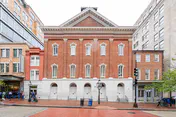
Raleigh, United States, North Carolina, North America
Raleigh, the capital of North Carolina, was founded in 1792 on a site chosen four years earlier for its central location, and named after Sir Walter Raleigh. It is known as the City of Oaks. Its stories here are a runaway tailor’s boy, a shattered marble Washington, a mob stopped by its own general’s guns, students who chose their own path, and a dinosaur with a heart of stone.
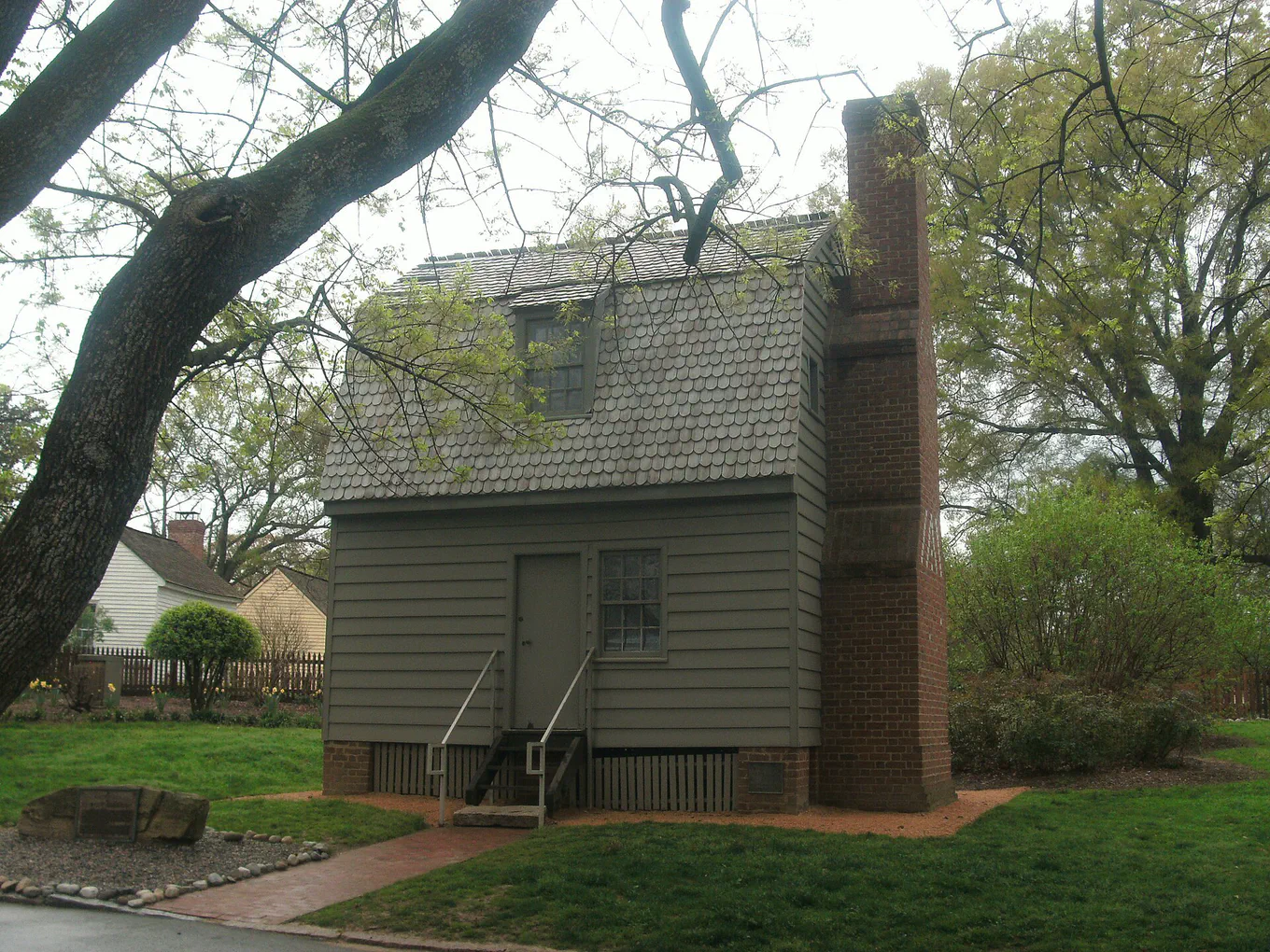
Andrew Johnson, who took over when Abraham Lincoln was assassinated, was born in Raleigh in 1808. At ten he was bound apprentice to a tailor, James Selby, until his 21st birthday. After about five unhappy years, Andrew and his brother William ran away. Selby advertised a ten-dollar reward for the two boys, or the same for Andrew alone. Afraid of being brought back to Raleigh, Andrew moved on, then left North Carolina for Tennessee, mostly on foot. The boy Selby wanted back for ten dollars became the 17th president.
2 Canova’s George Washington and the State House fire
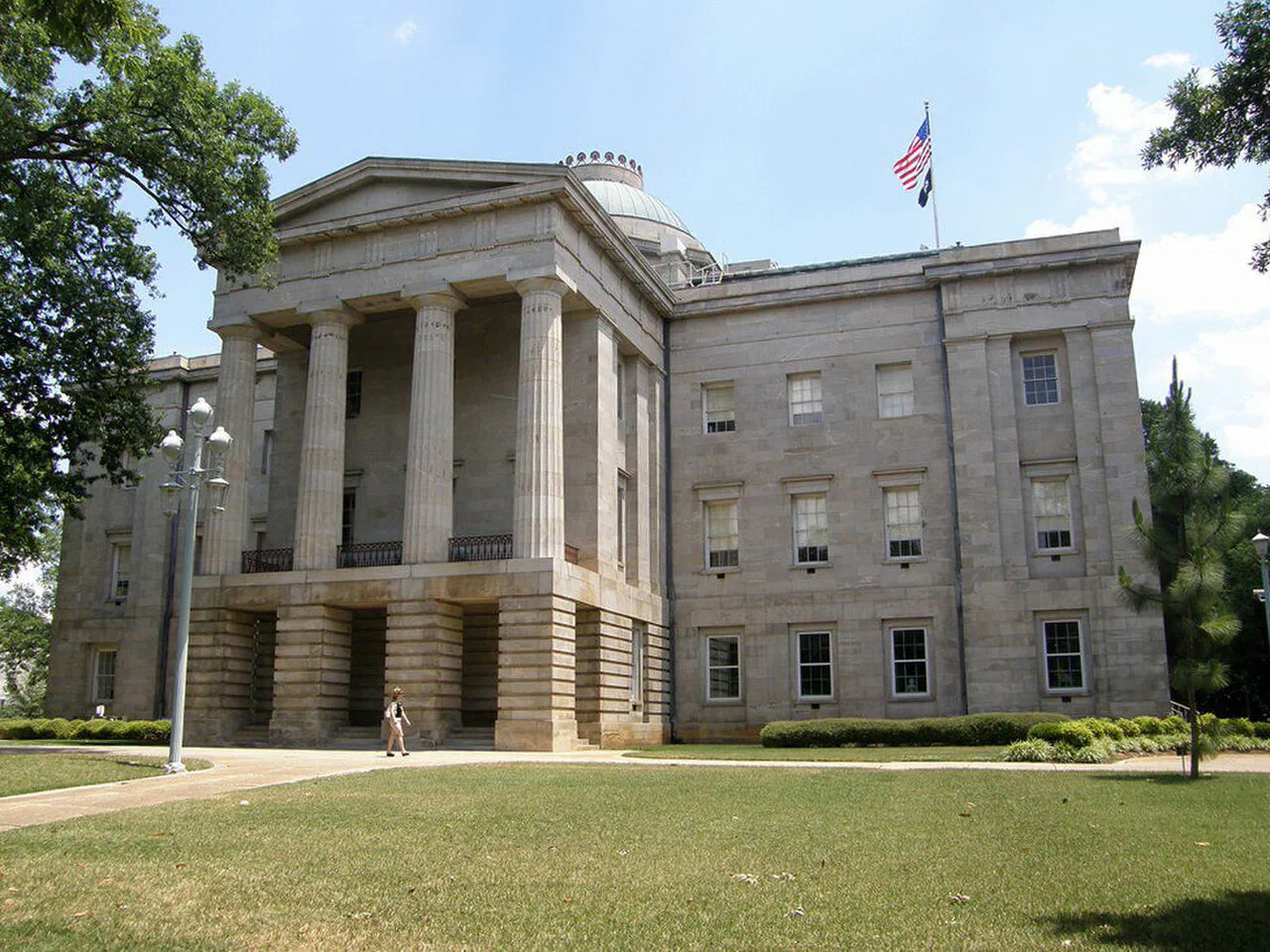
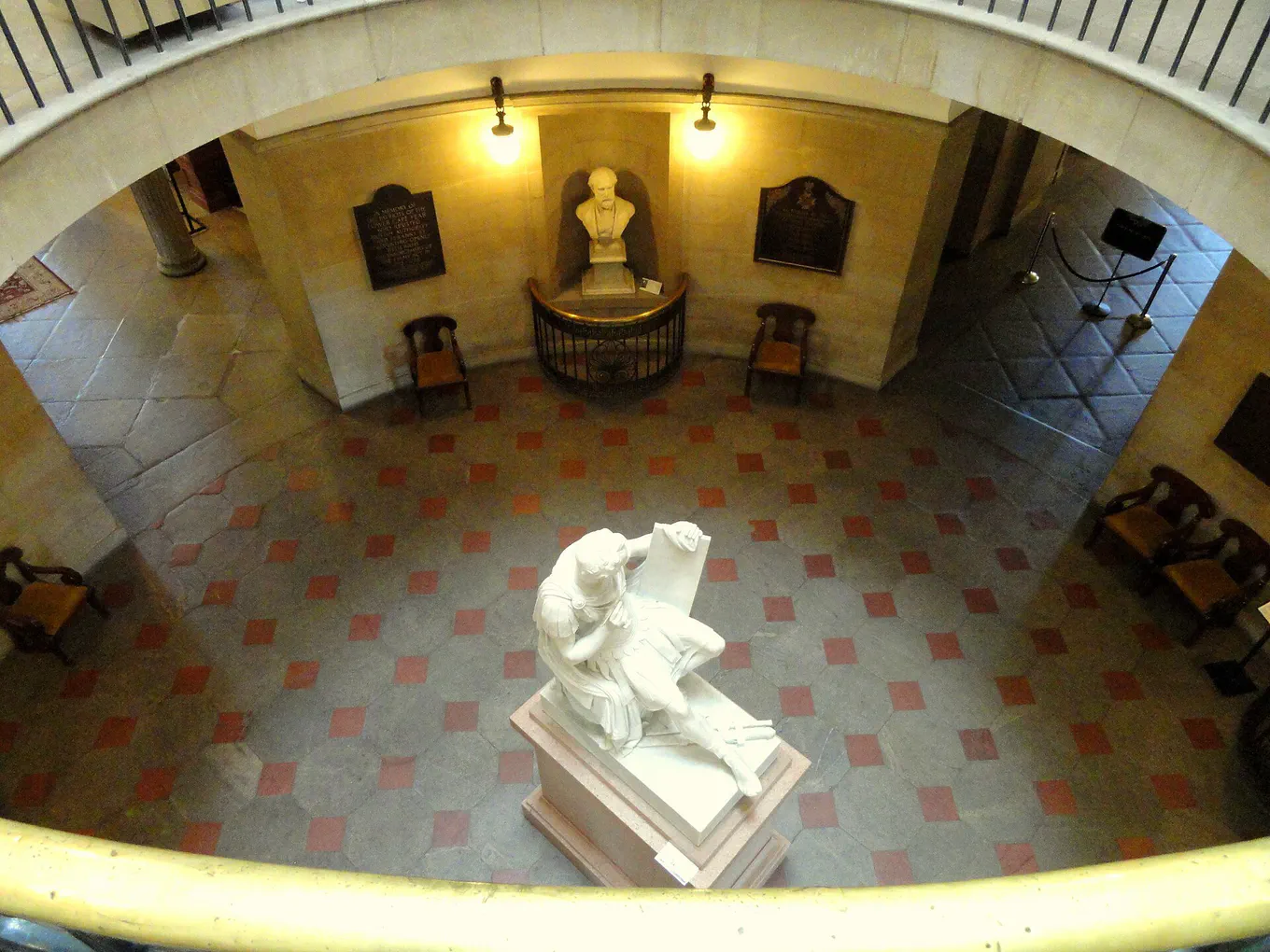
Stand here. The rotunda of the North Carolina State Capitol, finished in 1840 where the State House stood, holds a 1970 marble copy of the statue.
The rotunda of the North Carolina State Capitol in Raleigh, with its marble copy of Canova’s seated George Washington.Daderot / Public domain.
North Carolina’s legislature wanted a statue of George Washington for its State House, at any cost, and Thomas Jefferson recommended the sculptor. All Europe, he wrote, considered Antonio Canova without a rival. Canova carved Washington seated in Roman armour, drafting his farewell address, the only work he made for the United States. The statue arrived on Christmas Eve 1821. In 1831, workers fireproofing the State House roof set it alight while soldering, and the building burned. The statue was shattered, and the Raleigh Register newspaper wrote that none could behold it “but with mournful feelings”.
3 General Logan and the night Raleigh nearly burned
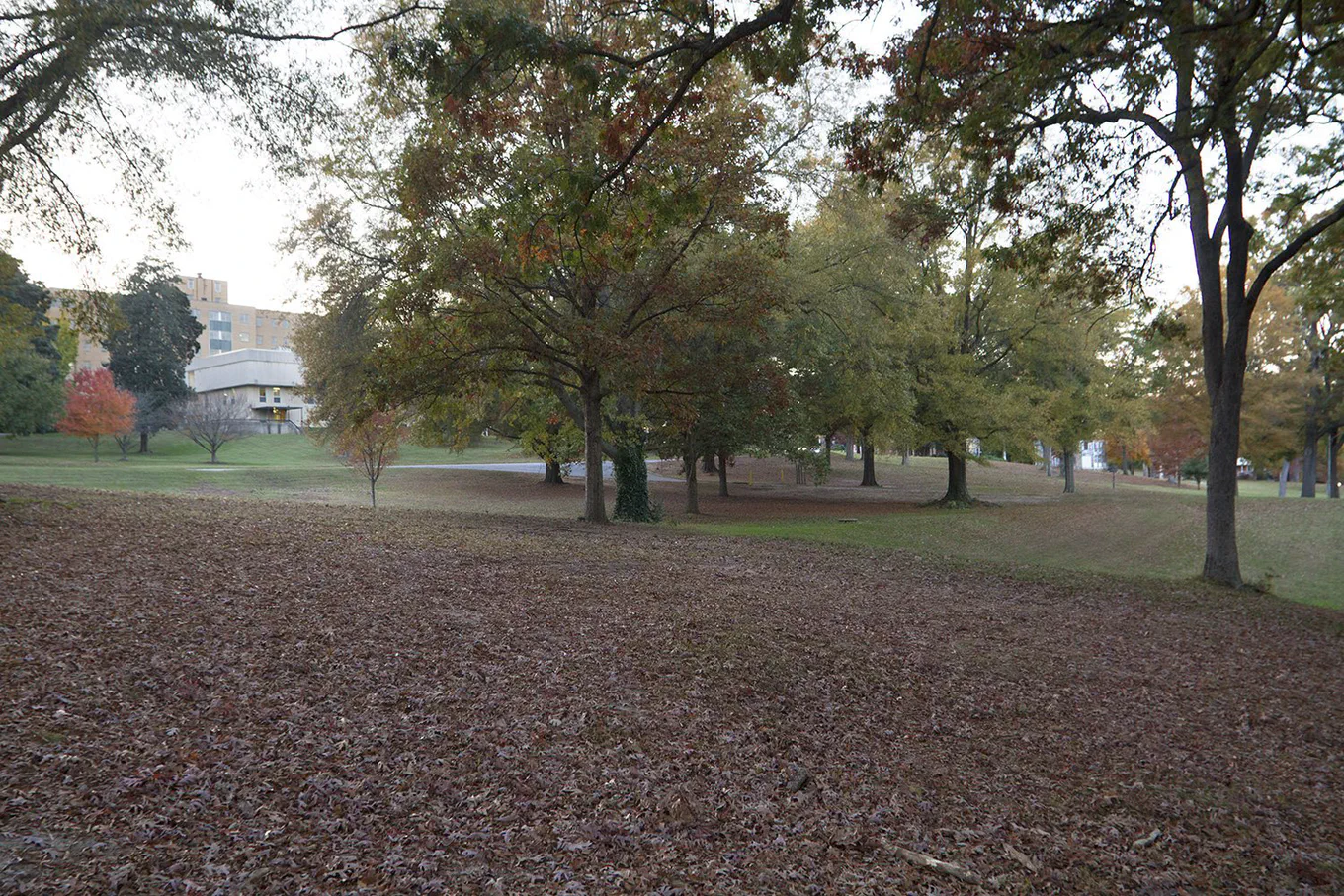
Stand here. Dorothea Dix Park, within walking distance of downtown, once Dix Hill, where the Union troops camped. Today it is a 308-acre park with views of the skyline.
News of Abraham Lincoln’s assassination reached Union soldiers camped on Dix Hill on the evening of 17 April 1865. Raleigh had surrendered days before on a promise of a quiet occupation, but now the cry went up to burn it. About 2,000 men marched off the hill. Major General John Logan, a corps commander in Sherman’s army, rode out and ordered them back. They ignored him. So Logan had his own artillery turned on them and threatened to fire. After a tense moment, the mob melted away.
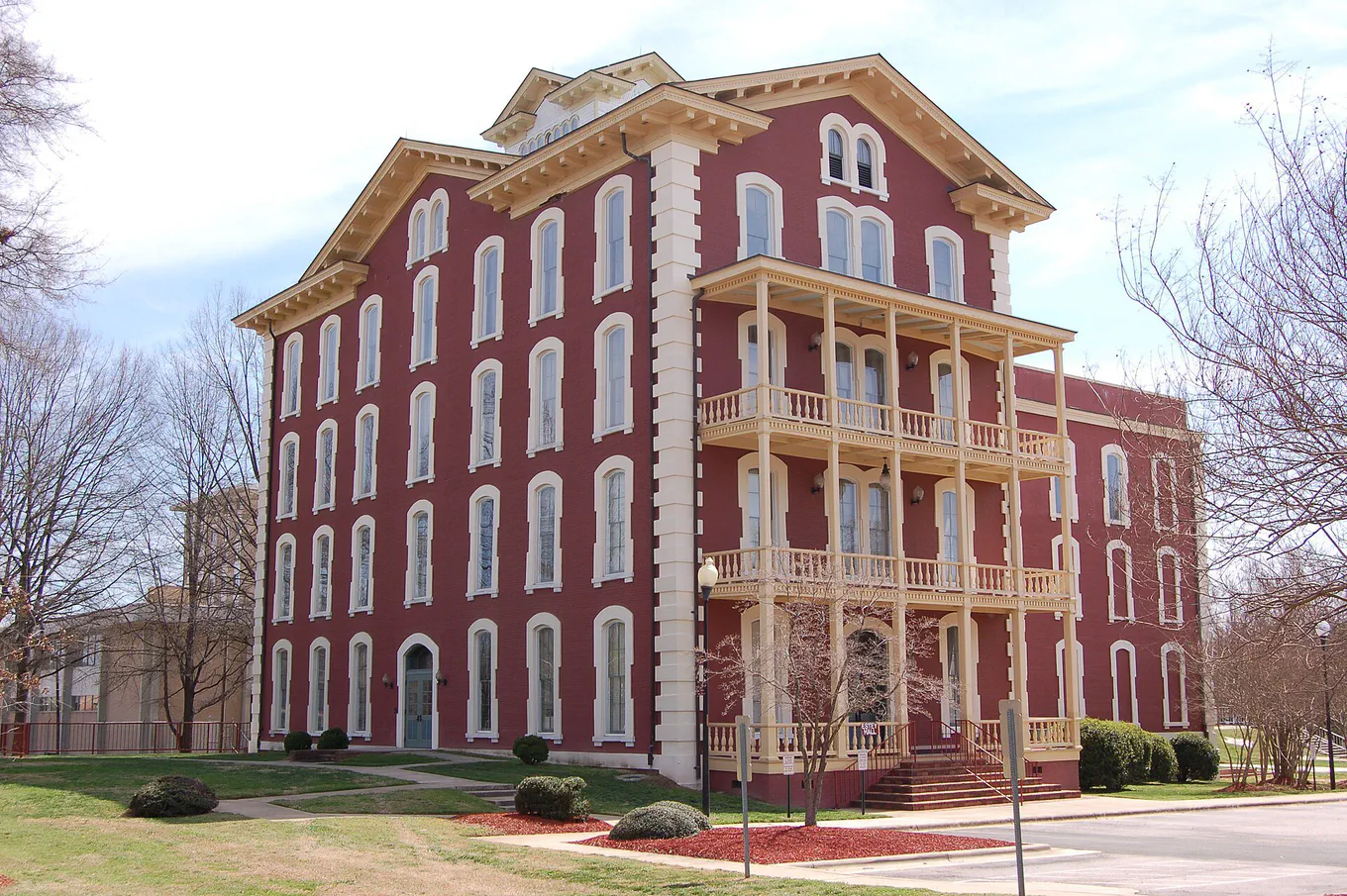
Stand here. The campus of Shaw University, founded in 1865, in the East Raleigh–South Park Historic District downtown. It is still a working university.
Estey Hall, a 19th-century brick building on the campus of Shaw University in Raleigh.Jmturner / Public domain.
Martin Luther King Jr. issued the invitation, but the student conference at Shaw at Easter 1960 was Ella Baker’s idea. A Shaw graduate, she worked for King’s Southern Christian Leadership Conference, the SCLC. The students came from lunch-counter sit-ins like those in Greensboro and Nashville, and King hoped they would become the SCLC’s youth wing. Baker urged them to stay independent. They founded their own group, the Student Nonviolent Coordinating Committee. “Strong people don’t need strong leaders,” she told the young activists.
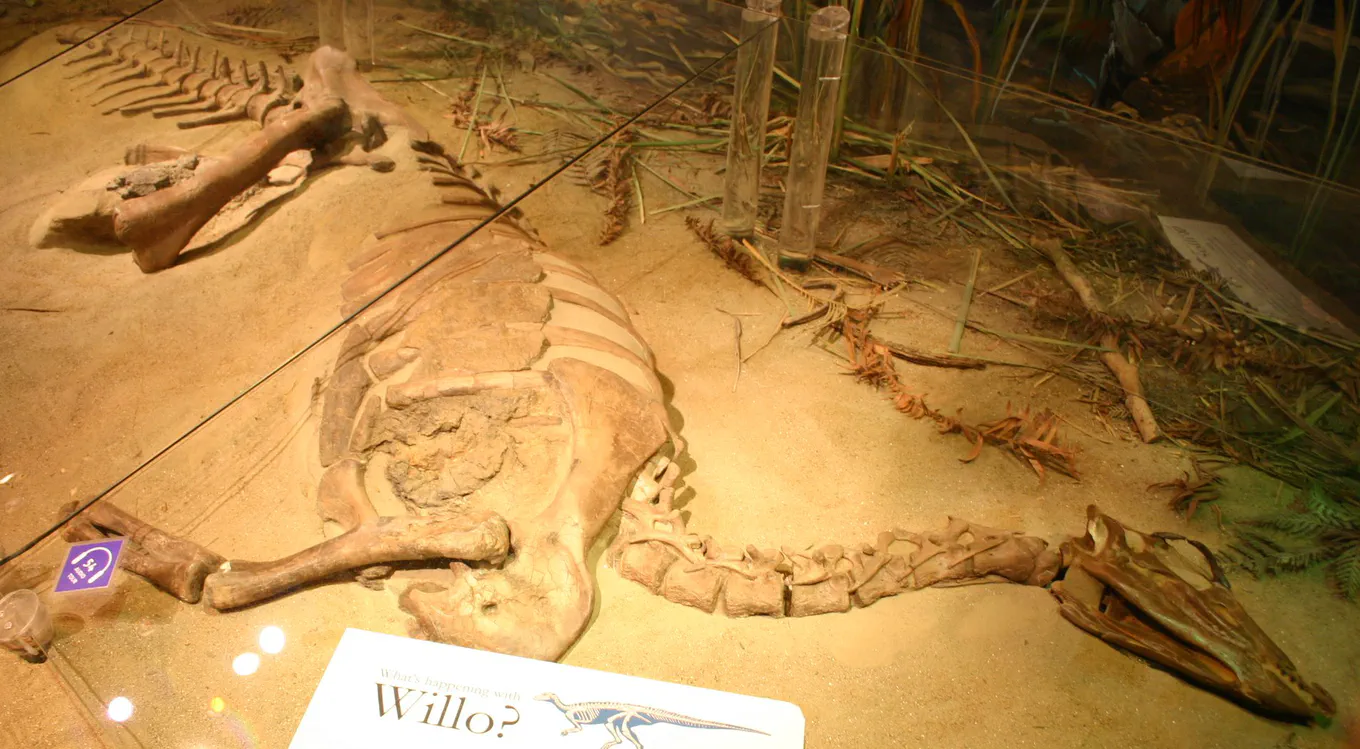
Willo is a dinosaur skeleton, a Thescelosaurus, found in South Dakota. In 2000, the imaging specialist Paul Fisher and colleagues announced in Science that a mass inside the skeleton was the remains of a heart, and Willo became famous as the dinosaur with a heart of stone. Other scientists said the mass was an ironstone concretion, a lump of rock. Fisher’s team argued the stone had formed around the real heart. In 2011, a new study found rock, not heart. The museum now introduces Willo by its remarkably well-preserved tendons.
Pack nothing. Leave Friday.
Every Friday, I write a free letter, Journey, that takes us on a trip through places, stories, and ideas.
Cold Mountain(Charles Frazier, 1997). A historical novel. It opens in a Confederate military hospital in Raleigh, where Inman is recovering from battle wounds during the American Civil War.
Naked(David Sedaris, 1997). An essay collection about David Sedaris’s family and childhood in Raleigh, where he volunteers at the Dorothea Dix Hospital.
On the Occasion of My Last Afternoon(Kaye Gibbons, 1998). A Civil War tale. Emma marries Dr Quincy Lowell of the Boston Lowells and moves to Raleigh, where their three daughters are born and the war rages.
Films to watch before you visit Raleigh
The Hudsucker Proxy(Joel and Ethan Coen, 1994). A screwball comedy film. The presses in the News & Observer building in downtown Raleigh appear in the movie.
The Handmaid’s Tale(Volker Schlöndorff, 1990). A dystopian drama film, adapted by Harold Pinter from Margaret Atwood’s 1985 novel. Several scenes were filmed at Saint Mary’s School in Raleigh.
The Unicorn(Bill Martin, Mike Schiff, and Grady Cooper, 2019–2021). A sitcom set in Raleigh, created for CBS. It premiered on 26 September 2019 and concluded on 18 March 2021.
Questions
Was Raleigh named after Sir Walter Raleigh, and did he ever go there?
Yes, the city is named for Sir Walter Raleigh, who sponsored Roanoke, the “lost colony” on Roanoke Island. But he never visited North America himself. His own expeditions, in 1595 and 1617, went to the Orinoco river basin in South America, in search of the golden city of El Dorado.
Can you visit the North Carolina State Capitol?
Yes. The Capitol, completed in 1840 on the site of the State House that burned in 1831, has a 1970 marble copy of Canova’s George Washington in its rotunda.
Where is Andrew Johnson’s birthplace in Raleigh?
In Mordecai Historic Park, at 1 Mimosa Street, next to the Historic Oakwood neighbourhood. The building, built as a kitchen in the 18th century, was moved several times before it reached the park in 1975. No one knows for sure whether Johnson was born in this building or an earlier one on the same site.