I learned chess from my Dad on a cheap plastic set. Years later, in my copy of Josh Waitzkin’s The Art of Learning, I scribbled ‘Pawn Sacrifice Movie’ beside the Fischer–Spassky match. It was played here, in a sports hall, with Fischer demanding the cameras go.
— Nick
Reykjavík, on the southern shore of Faxaflói bay in south-west Iceland, is the country’s capital and the northernmost capital of any sovereign state. Tradition puts Iceland’s first settler here in 874, though the city was officially founded as a trading town in 1786. Its stories are a settler’s pillars, a protest in a school, Bobby Fischer’s chess match, Reagan and Gorbachev’s summit, and Yoko Ono’s tower of light.
1 Ingólfur Arnarson’s pillars and the founding of Reykjavík
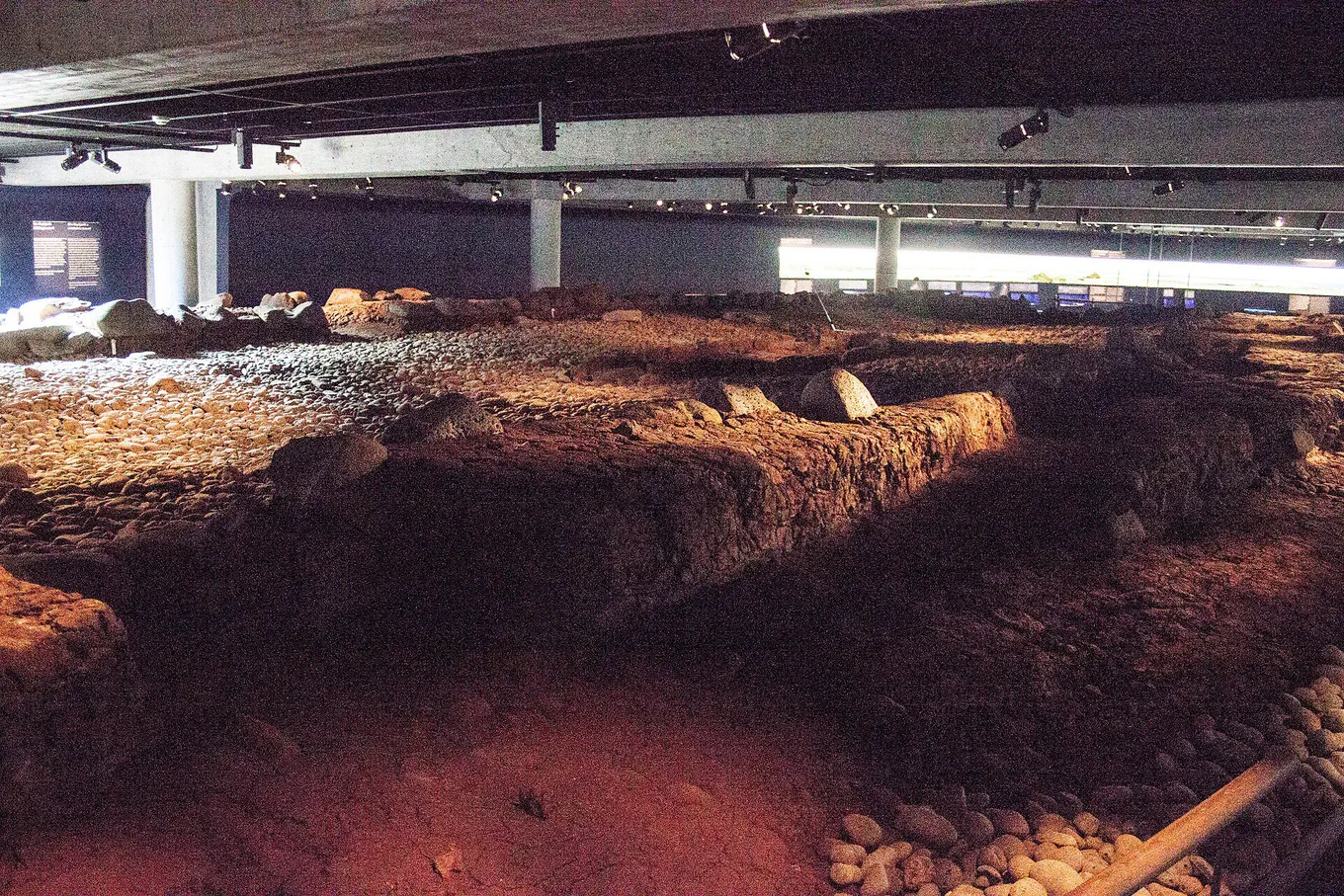
Stand here. The Settlement Exhibition, at Aðalstræti 16, where the remains of a Viking-age hall excavated in 2001 are on show.
The excavated remains of a Viking-age hall at the Settlement Exhibition, Aðalstræti 16, in central Reykjavík.Szilas / Public domain.
Iceland’s Book of Settlements says the country was first settled here, in 874. Ingólfur Arnarson came from Norway and left the choice of a home to the gods. He threw the pillars of his high seat overboard and vowed to settle wherever they came ashore. Two of his slaves searched the coasts for three years before finding them in a bay, and Ingólfur named the place Reykjavík. But the book was written two to three centuries later, and at Aðalstræti lie the remains of a wall built around 871.
2 Jón Sigurðsson and “We all protest!” at the Latin School
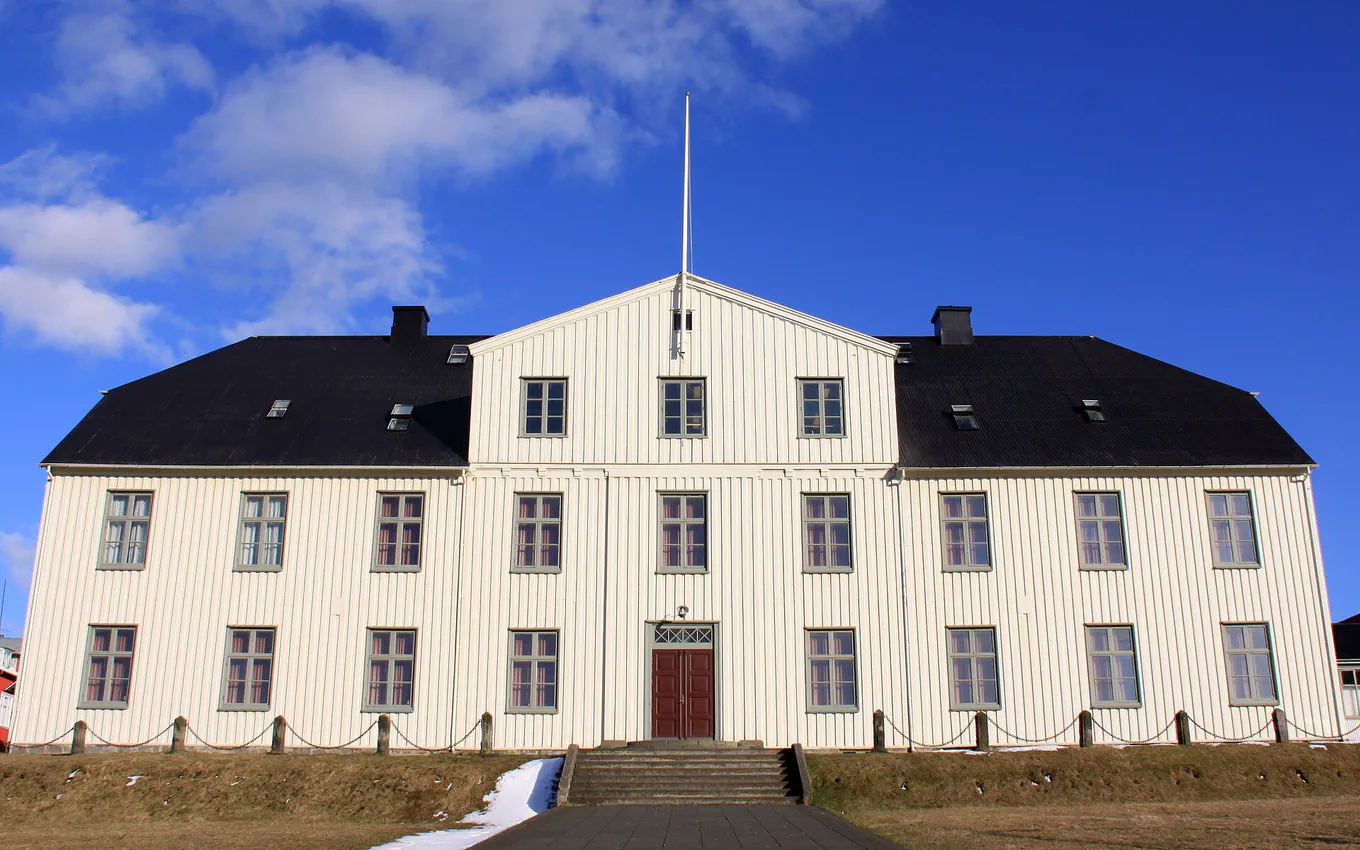
Stand here. Gamli Skóli, the Old School, built in 1846 and still the main building of Menntaskólinn í Reykjavík, the Latin School.
In 1851, Iceland’s National Assembly met in this building to debate a Danish bill bringing Denmark’s constitutional reform to Iceland. The delegates, led by Jón Sigurðsson, leader of Iceland’s independence movement, would never agree to it, and had a bill of their own. Governor Trampe decided they had no authority to discuss their bill and dissolved the Assembly. Jón protested in the name of the king and the people. Then the members rose, and most of them said, as if with one voice, “We all protest!”
3 Bobby Fischer against Boris Spassky at Laugardalshöll
Stand here. Laugardalshöll, in the Laugardalur district. It is still a sports and exhibition hall, and the home arena of Iceland’s national teams.
The film Pawn Sacrifice builds to the match played here in 1972, between Bobby Fischer, the American challenger, and Boris Spassky, the Soviet world champion. Fischer missed the opening ceremony, and it took much persuasion, including a phone call from Henry Kissinger, before he would play. He lost the first game, then forfeited the second because he wanted every camera gone. Spassky, under enormous pressure at home to win, agreed to play the third in a small room backstage. Fischer won the match.
4 Reagan and Gorbachev at Höfði House
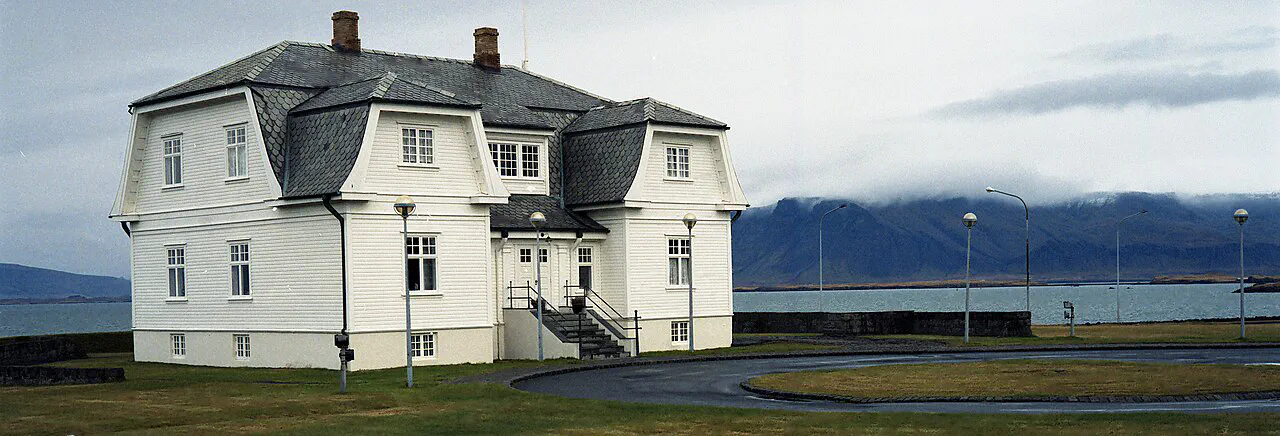
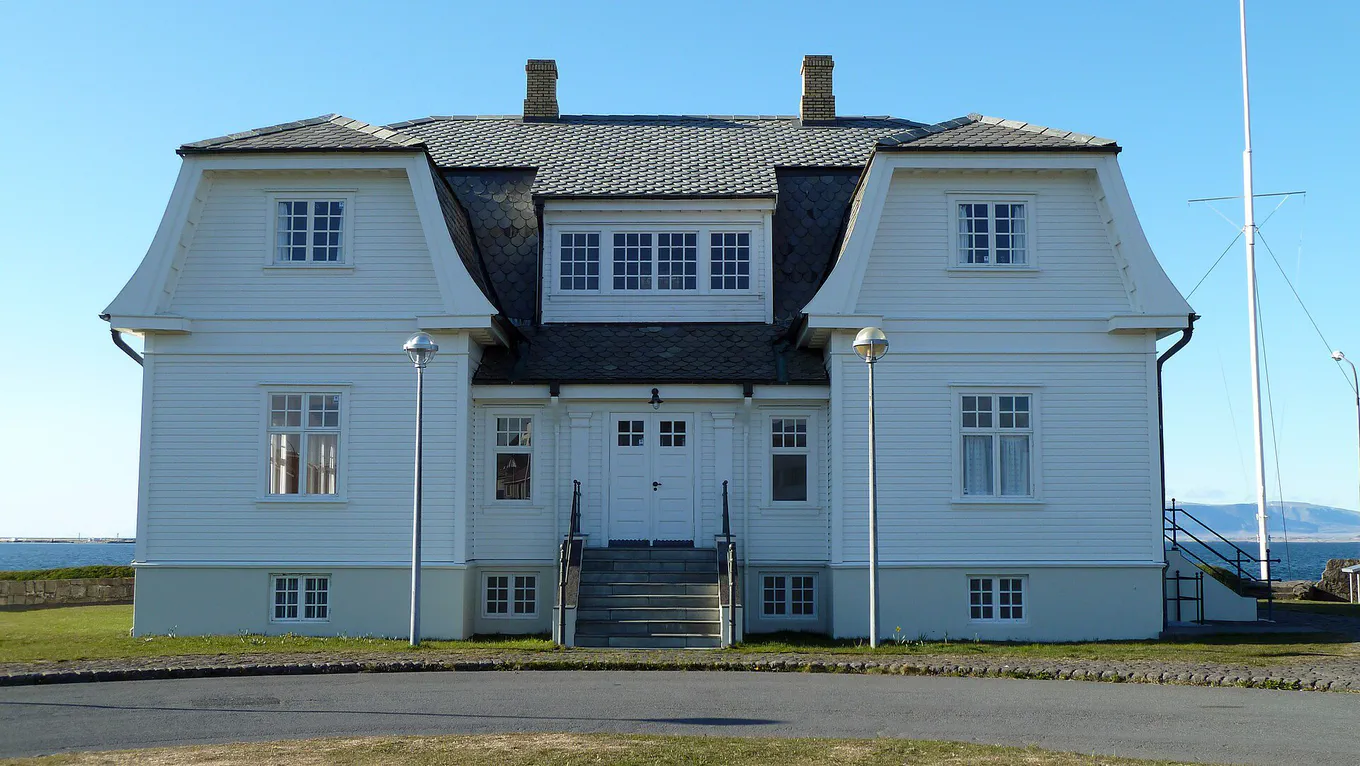
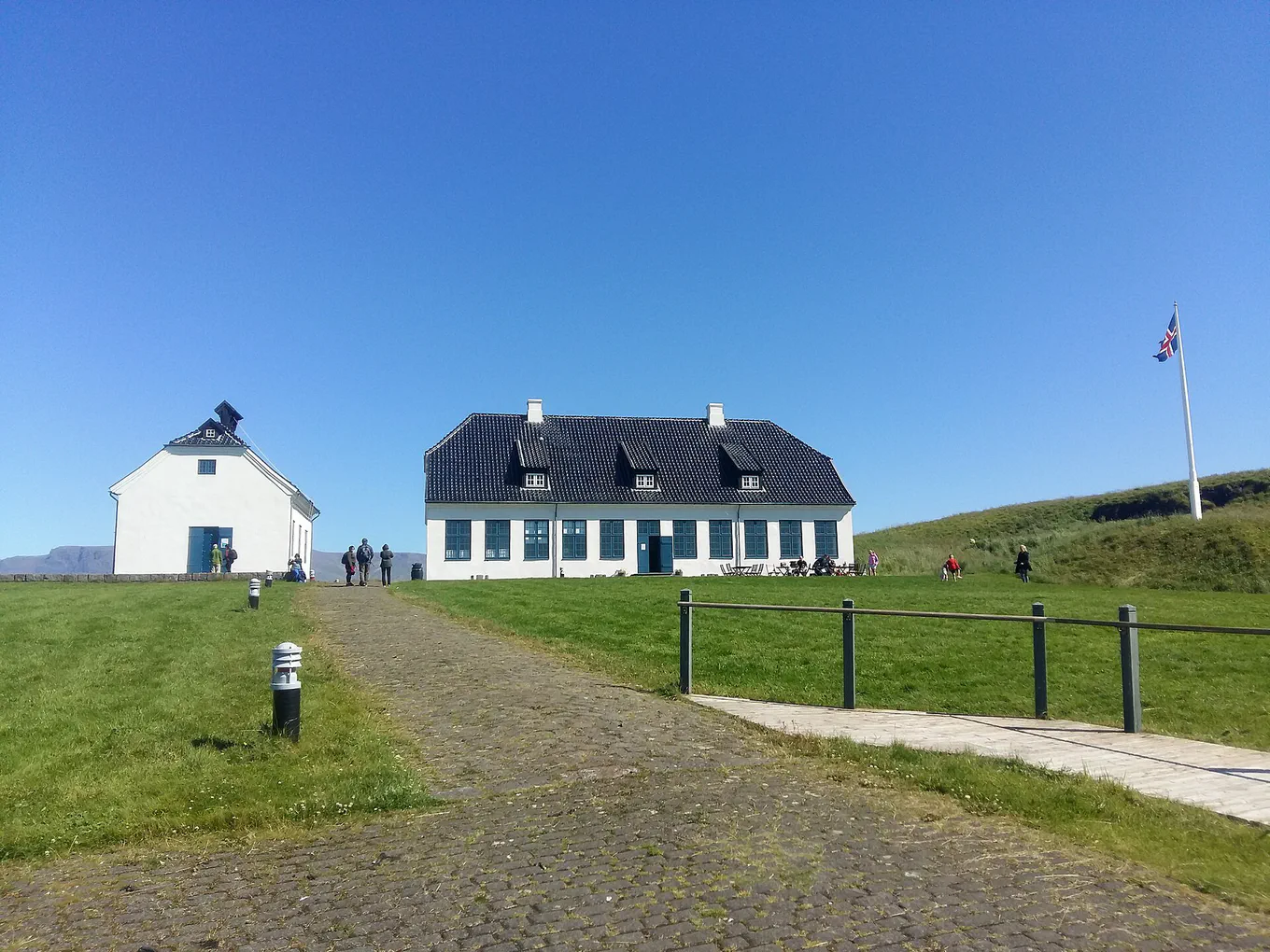
Stand here. Höfði House, at Félagstún. It is the mayor’s reception hall.
Ronald Reagan and Mikhail Gorbachev met in this house on 11 and 12 October 1986. Gorbachev, the Soviet leader, suggested getting rid of every nuclear weapon within a decade. Reagan wanted to keep researching the Strategic Defense Initiative, known as SDI, and asked whether Gorbachev would turn down a historic opportunity over it. The talks collapsed at the last minute. But what the two men had achieved in this house led to the Intermediate-Range Nuclear Forces Treaty of 1987.
5 Yoko Ono’s tower of light for John Lennon on Viðey
Stand here. Viðey island, a short ferry ride away, where IMAGINE PEACE is inscribed in 24 languages on the walls of the tower’s Wishing Well.
About six months after John Lennon met Yoko Ono in London, he was taken with one of her ideas, a Light House made of light. She was convinced it could be built one day, but didn’t know how. In 1980, Lennon was shot dead in the archway of his home in New York. On 9 October 2007, what would have been his 67th birthday, Ono unveiled it here, powered by Iceland’s geothermal energy. It shines every year from his birthday until 8 December, the night he was shot.
101 Reykjavík(Hallgrímur Helgason, 1996). A novel, named for 101, the postcode of Miðborg, the district at the heart of central Reykjavík.
Jar City(Arnaldur Indriðason, 2000). A novel. A man of 70, struck on the head with a glass ashtray, is found dead in a flat in Norðurmýri.
The Atom Station(Halldór Laxness, 1948). A novel. Set in Reykjavík around 1946–47, it has long been read as Iceland’s first urban novel, foreshadowing the prominence of Reykjavík in more recent literature.
Films to watch before you visit Reykjavík
101 Reykjavík(Baltasar Kormákur, 2000). An Icelandic film with the same title, taken from the same postcode for the city’s central Miðborg district.
Jar City(Baltasar Kormákur, 2006). A film of Arnaldur Indriðason’s novel, called Mýrin, “The Bog”, in Icelandic.
The Brink of War(Michael Russell Gunn, 2026). A film made as Reykjavik and shot mostly at Höfði House, the real site of the 1986 summit.
Bobby Fischer Against the World(2011). A documentary film, with scenes from Laugardalshöll, the hall where Fischer played Spassky for the world title.
Questions
Where was the Fischer–Spassky chess match played, and can you see it?
At Laugardalshöll, a sports and exhibition hall in the Laugardalur district of Reykjavík. The 1972 World Chess Championship is perhaps the most famous event ever held there. The hall still stands and is still in use, as the home arena of Iceland’s national teams.
How do you get to Viðey and the Imagine Peace Tower?
By ferry. In summer, it leaves daily from Skarfabakki pier, and from 1 June to 31 August also from the Old Harbour. From 1 September to 14 May, it runs only from Skarfabakki, on Saturdays and Sundays. So while the tower is lit, from 9 October, the boats sail at weekends.
What does the name Reykjavík mean?
The name is said to come from the steam rising from hot springs in the area. By the Book of Settlements, it was Ingólfur Arnarson, the first settler, who built his homestead here and gave the place its name in 874.