Confession. Say ‘Richmond’ and I think of AFC Richmond, Ted Lasso and a box of biscuits. Wrong Richmond, wrong side of the Atlantic. This one has Poe, Lincoln, and a statue of Arthur Ashe holding his books higher than his racket. I approve.
— Nick
Richmond, capital of Virginia, stands on the James River. It was founded in 1737, and William Byrd II named it after Richmond on the Thames, because the bend of the James reminded him of his home at Richmond Hill. In the Civil War, it was the Confederacy’s capital. Its stories are Patrick Henry’s speech, Poe on guard, a man who mailed himself to freedom, Lincoln in the fallen capital, and Arthur Ashe’s statue.
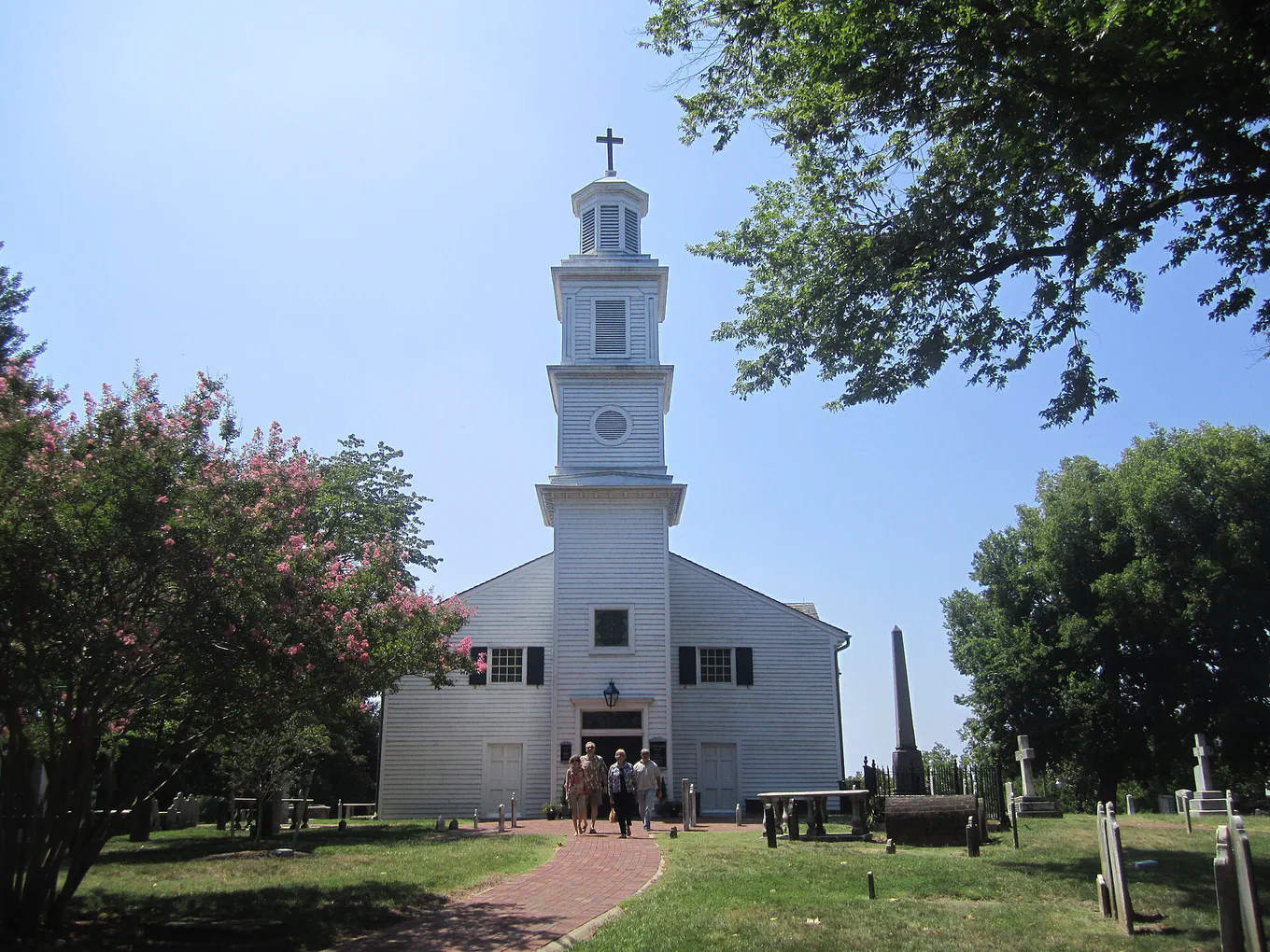
“Give me liberty, or give me death!” comes from a speech made here on 23 March 1775. Patrick Henry wanted Virginia to raise its own militia, because he believed war with Britain was coming. As he finished, he plunged a paper knife towards his chest. The vote went his way, narrowly. But the line was pieced together 42 years later from elderly witnesses’ memories, and Henry may never have said it. Whatever he said, a man listening at a window asked to be buried at the church, and he was.
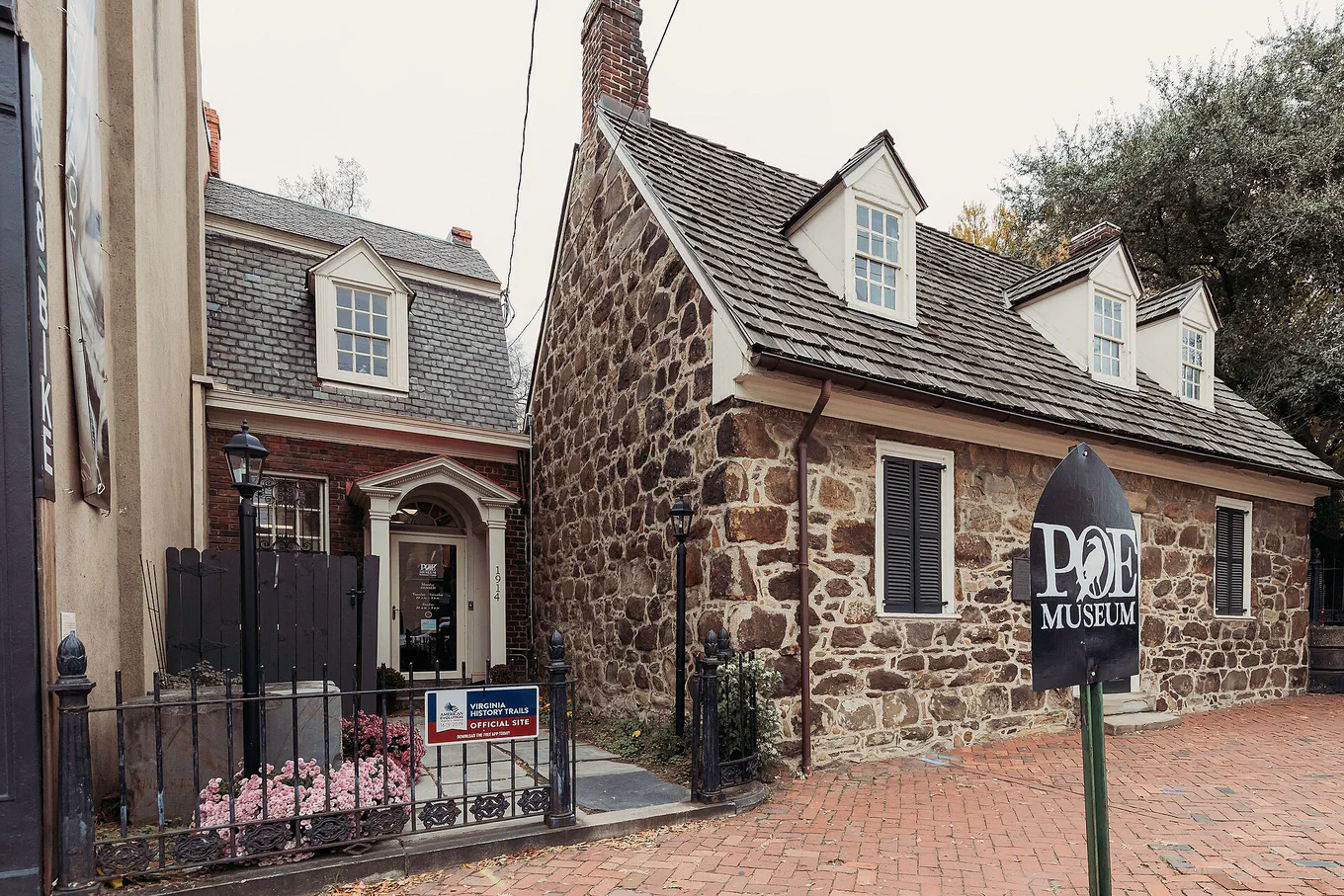
2 Edgar Allan Poe on guard outside the Old Stone House
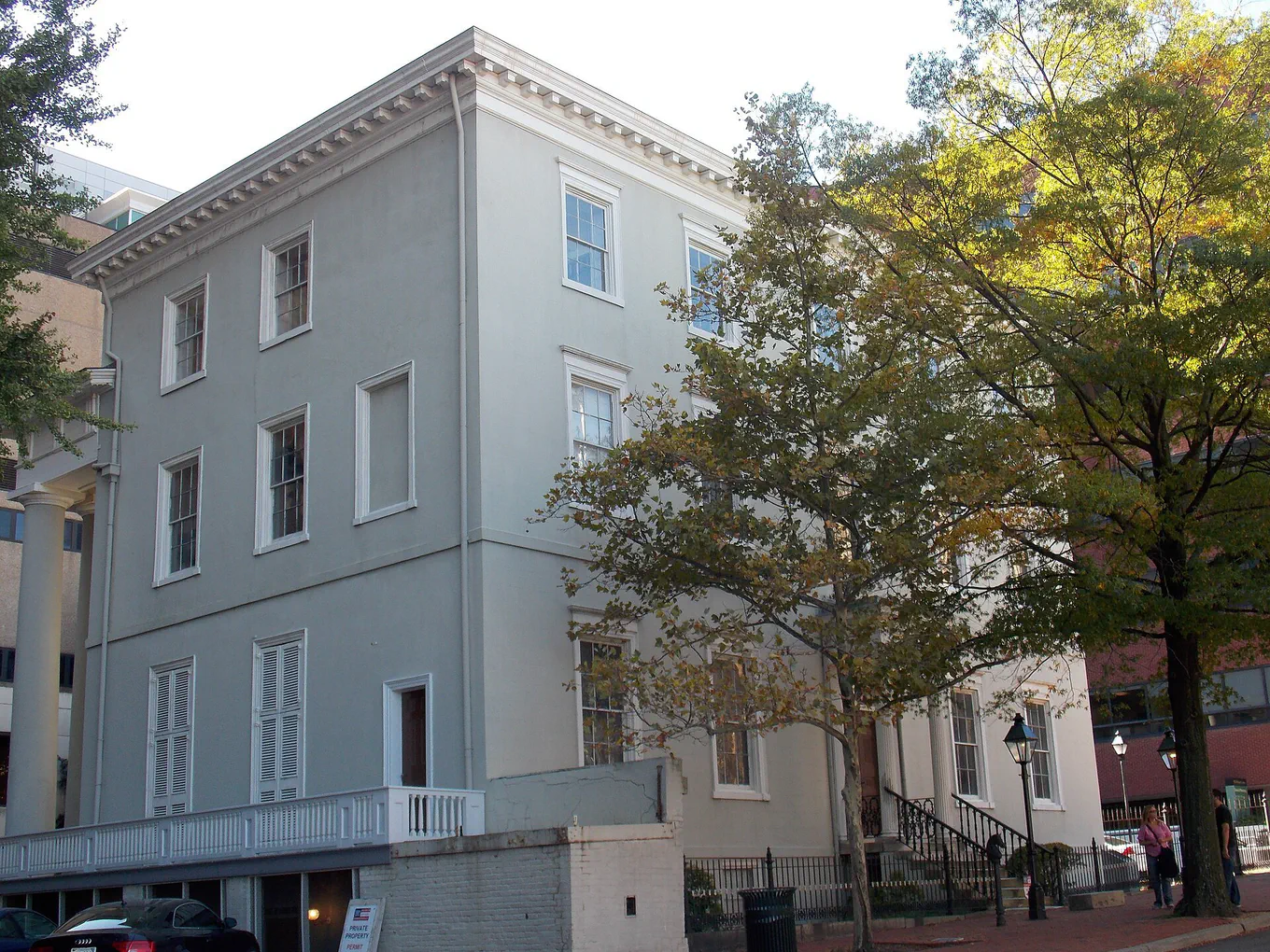
Stand here. The Poe Museum, 1914 East Main Street, in the Old Stone House, the oldest house still standing in Richmond.
Edgar Allan Poe grew up in Richmond as the foster son of a merchant who never formally adopted him. In 1824, the city welcomed the Marquis de Lafayette, and Poe was lieutenant of its youth honour guard. The guard took the general to this house, whose family helped supply his troops in the Revolution. Poe stood guard outside, and there’s no evidence he ever went in. Today the house is the Poe Museum, and one of its two cats is named Pluto, after the cat in “The Black Cat”.
Stand here. The Canal Walk near South 15th and Dock Streets, where a metal reproduction of his box stands.
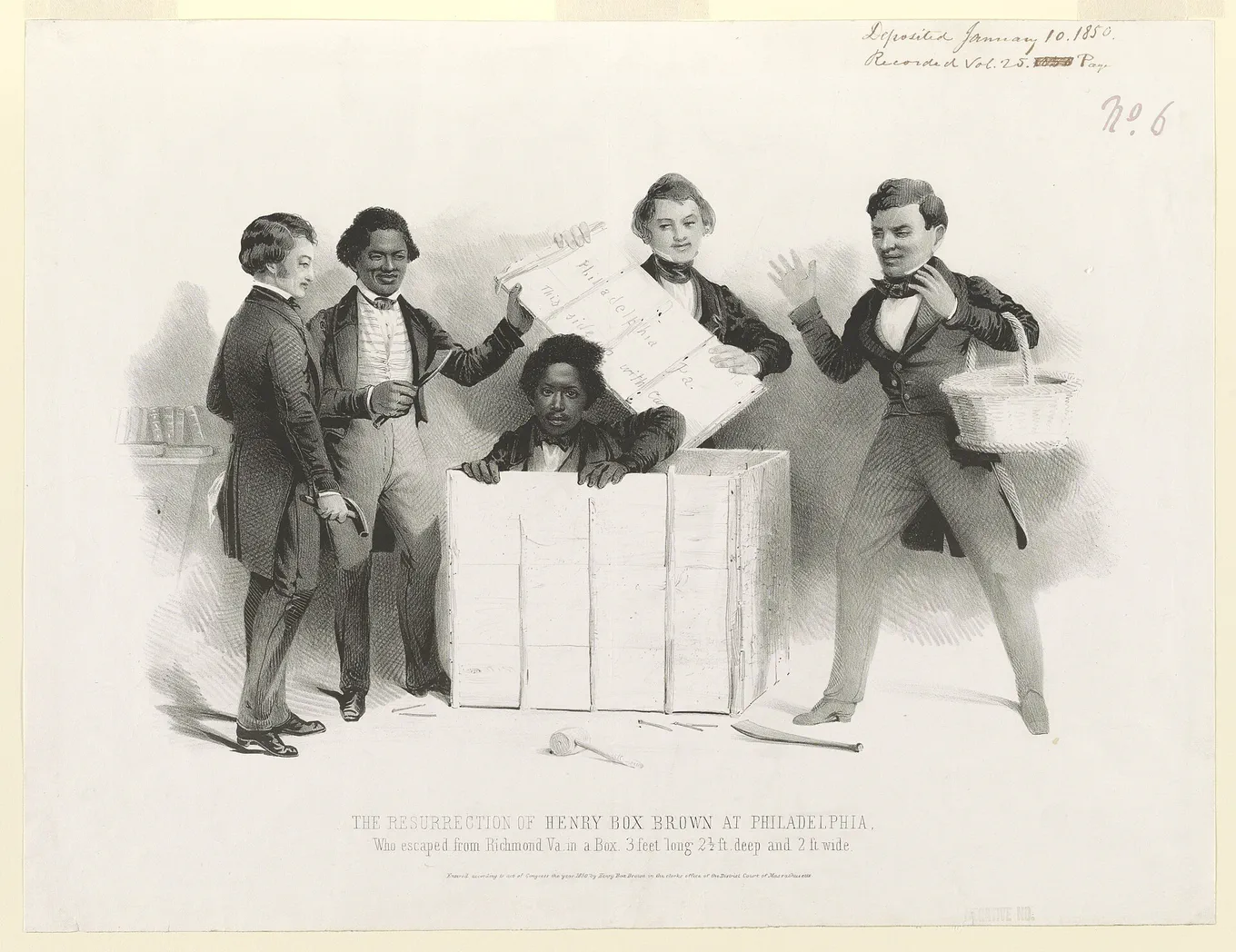
A period lithograph of Henry Brown climbing out of his shipping box in Philadelphia, the end of his escape from Richmond.Samuel W. Rowse / Public domain.
An enslaved worker in a Richmond tobacco warehouse, Henry Brown paid his wife’s owner not to sell his family. The owner sold them anyway, his pregnant wife Nancy and their three children, to North Carolina. So in March 1849, with help from a free Black man and a white shoemaker, Brown had himself shipped to Philadelphia in a three-foot box marked “dry goods”. The journey took 27 hours. When he was let out, his first words were remembered as “How do you do, gentlemen?” Nancy remained in slavery.
4 Abraham Lincoln walks into Richmond and sits in Davis’s chair
Stand here. The White House of the Confederacy, at Clay and 12th Streets, now part of the American Civil War Museum.
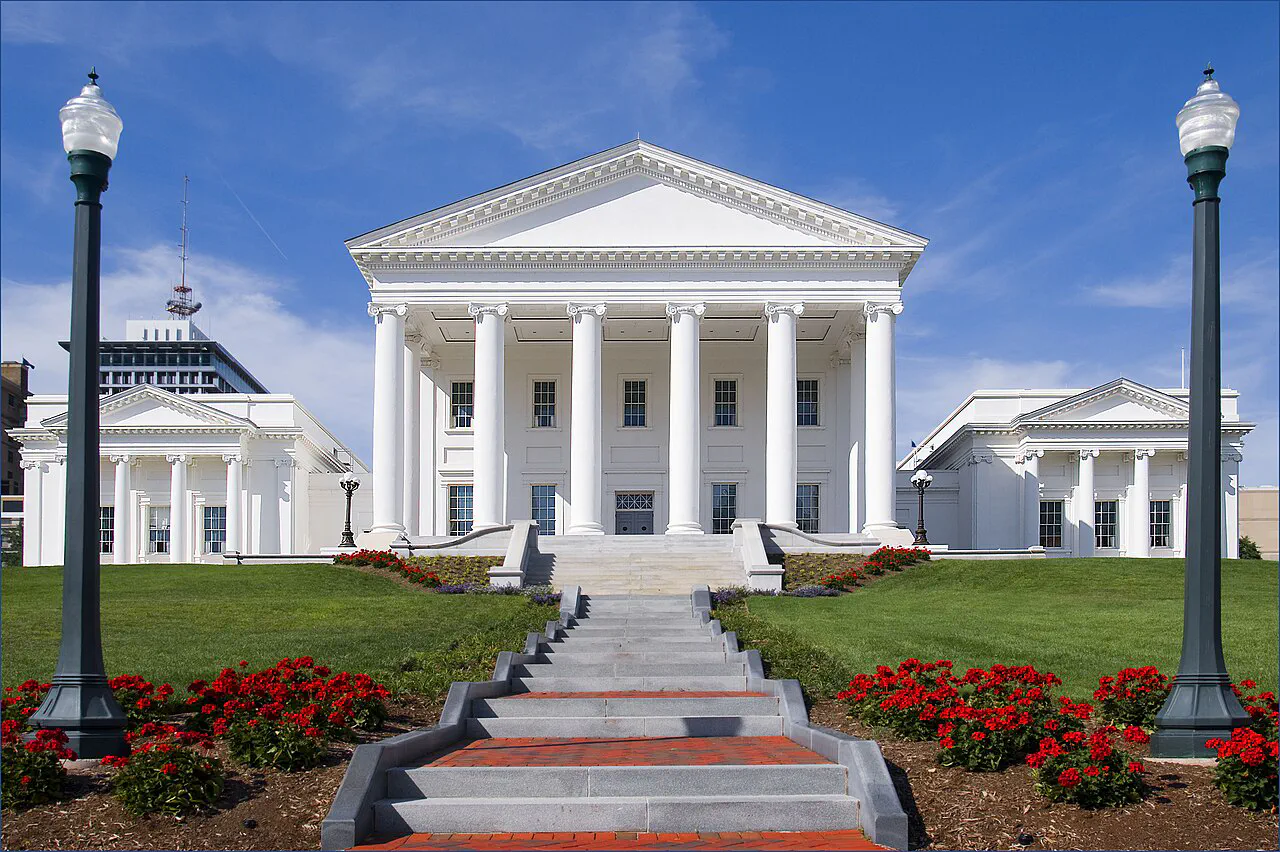
Spielberg filmed Lincoln at the Virginia State Capitol, a building the real Lincoln toured in April 1865. On 4 April, two days after Jefferson Davis’s Confederate government fled and fire destroyed large parts of the city, he came ashore with his son Tad and only a few sailors to guard him. Freed people knew him at once, wanting to shake his hand, even kneel and kiss his boots. He walked on to Davis’s house and, a local paper reported, sat in Davis’s chair. Ten days later, Lincoln was assassinated.
Stand here. Monument Avenue at Roseneath Road, where Ashe’s bronze stands on a granite pedestal in a traffic island.
As a boy in segregated Richmond, the future Wimbledon champion Arthur Ashe was kept out of tournaments and off the city’s best courts. He left to finish school in St Louis, and became the first Black man to win the US Open. In 1996, Richmond put his statue on Monument Avenue, among its Confederate generals, though Black and white residents objected. At his own request, the books he holds are raised higher than his racket. After the protests of 2020, the generals came down. His is the only statue left.
Pack nothing. Leave Friday.
Every Friday, I write a free letter, Journey, that takes us on a trip through places, stories, and ideas.
Postmortem(Patricia Cornwell, 1990). A crime novel. Dr Kay Scarpetta, Virginia’s chief medical examiner, investigates a string of unsolved murders in Richmond. Cornwell worked in that office.
Richmond Burning: The Last Days of the Confederate Capital(Nelson D. Lankford, 2002). A history. The Confederacy’s last hours, and the fire that greeted Union troops in spring 1865.
Southern Lady, Yankee Spy(Elizabeth R. Varon, 2003). A history. Elizabeth Van Lew, a Richmond Unionist who spied for the United States, and her Church Hill mansion, since demolished.
Narrative of Henry Box Brown(Henry Box Brown with Charles Stearns). A memoir. Brown’s own story. He worked in a tobacco warehouse at Cary and 14th Streets.
Films to watch before you visit Richmond
Lincoln(Steven Spielberg, 2012). A film. The Virginia State Capitol plays the US Capitol, and its House of Delegates chamber was remodelled as the House of Representatives.
Loving(Jeff Nichols, 2016). A film. A biographical drama about Richard and Mildred Loving, the plaintiffs in Loving v. Virginia. It was filmed outside 2201 E. Franklin Street and in Richmond’s Museum District.
Hannibal(Ridley Scott, 2001). A thriller film. Based on Thomas Harris’s 1999 novel, its early shootout in a crowded fish market was shot at Richmond Farmer’s Market.
Questions
Where did Patrick Henry give his “Give me liberty, or give me death” speech, and can you visit?
At St John’s Church, 2401 East Broad Street, on Church Hill, on 23 March 1775. Built in 1741, it’s Richmond’s oldest church and still has an active congregation.
Did Edgar Allan Poe live in the Poe Museum?
No. The museum, at 1914 East Main Street, is in the Old Stone House, Richmond’s oldest standing home, and Poe never lived there. It opened in 1922 and holds one of the world’s largest Poe collections. The sites of his Richmond homes and of his office at the Southern Literary Messenger are only blocks away.
Why is Richmond the capital of Virginia?
The state capital moved from Williamsburg to Richmond on 18 April 1780. Richmond was more central for Virginia’s growing western population, and in theory further from a British attack from the coast. During the Civil War, it was also the capital of the Confederacy.