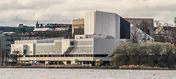
Riga, the capital and largest city of Latvia, lies at the mouth of the Daugava, on the Gulf of Riga. Founded in 1201, it was a Hanseatic League member, and its historic centre is a UNESCO World Heritage Site, noted for its Art Nouveau. Its stories are a composer fleeing his debts, two copper cats, an architect and his film-director son, a chess magician, and a Soviet Baker Street.
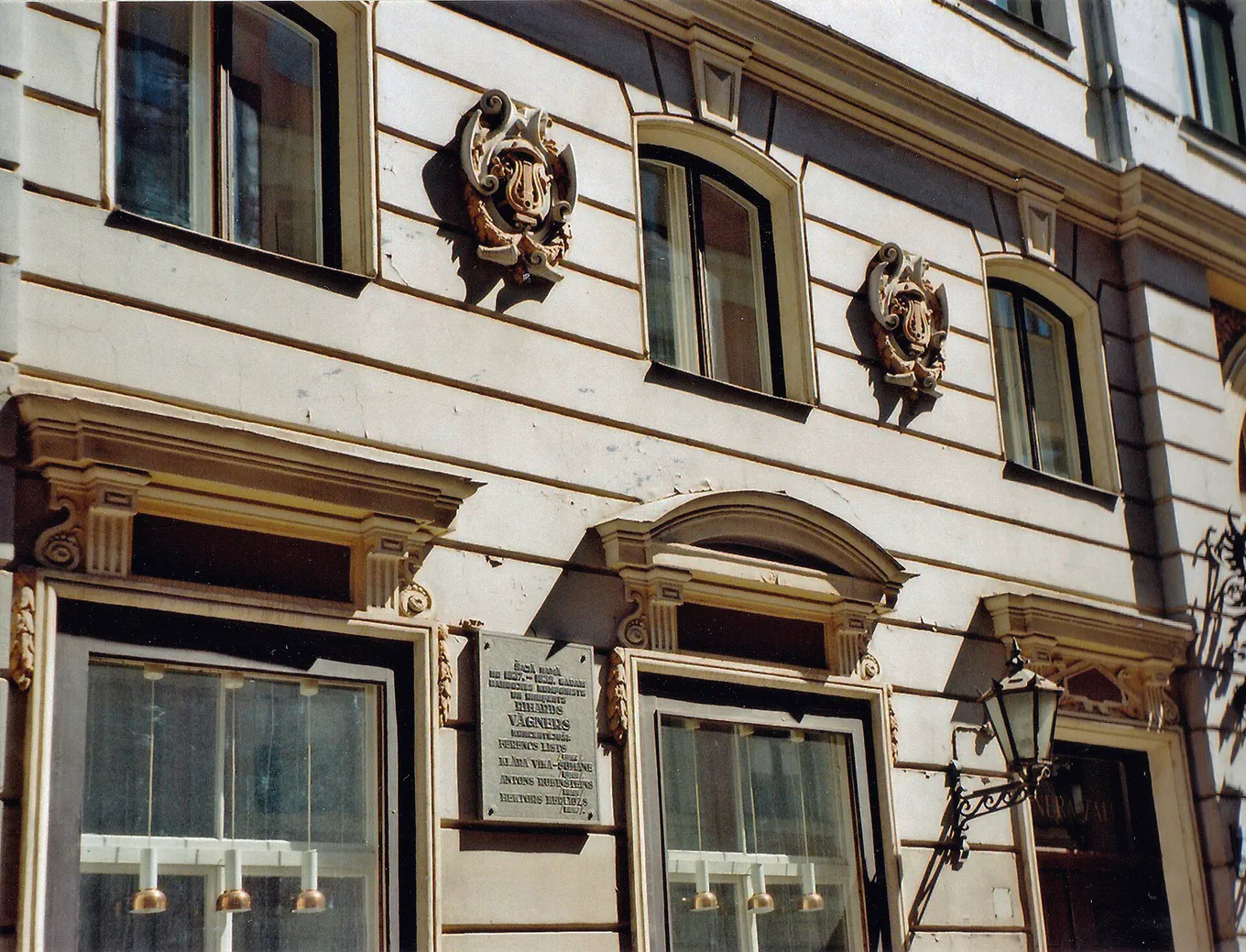
By his own account, Richard Wagner found The Flying Dutchman on the voyage that got him out of Riga. He ran the city theatre’s music, and by 1839 he and his wife, Minna, were so deep in debt that his passport was seized for his creditors. They crossed the Prussian border illegally and boarded the Thetis, whose captain took them without passports. Storms drove the ship into a Norwegian fjord, and eight days became three weeks. Among those reefs, he wrote, the Dutchman’s legend took on its strange colouring.
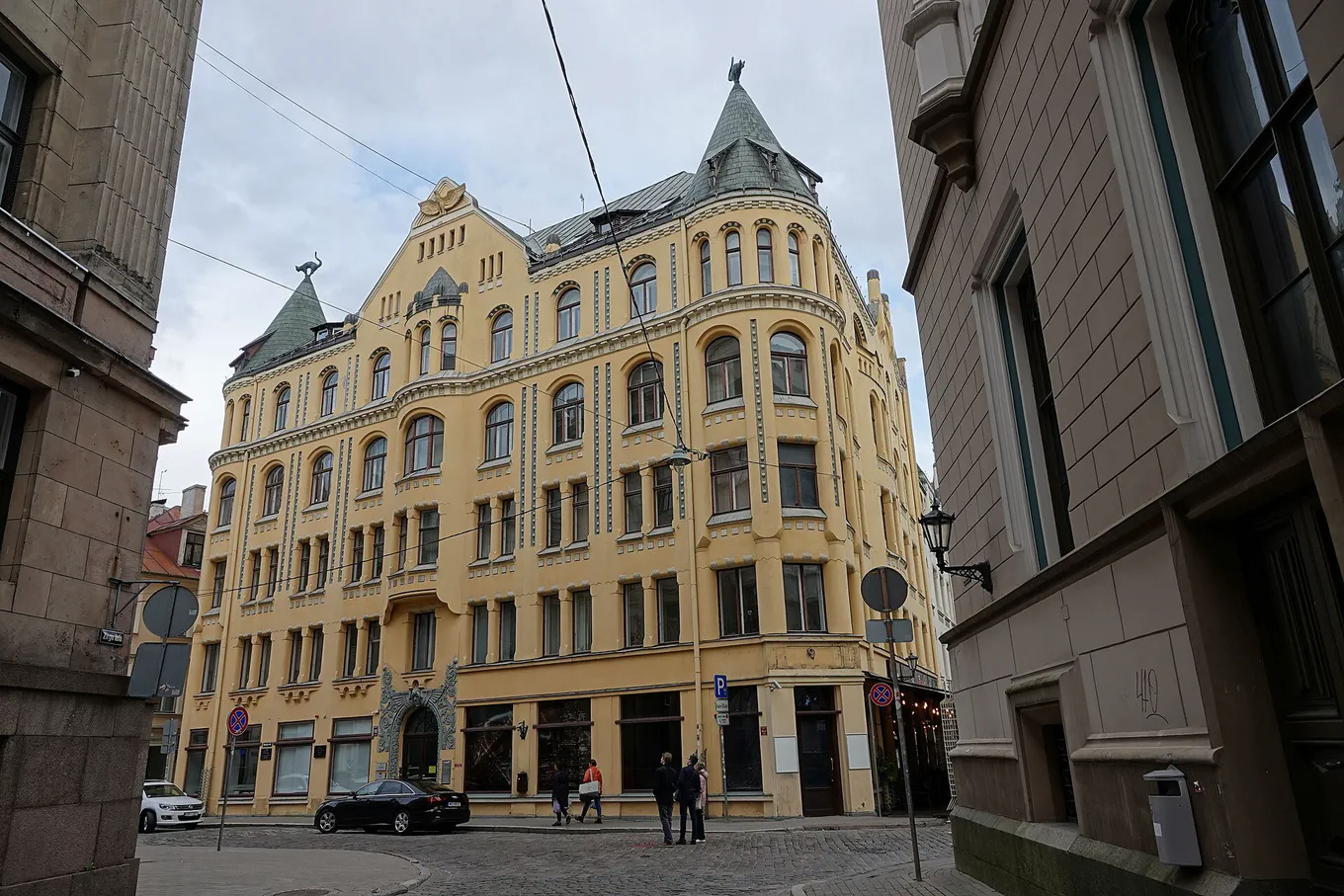
Most people in Riga know the legend of the Cat House, built in 1909 across the street from the Great Guild, the merchants’ guild. The story goes that the wealthy merchant who paid for it had been refused membership. He took his revenge in copper. Two angry cats went up on his turrets, backs arched, tails raised towards the guild hall. Later, the cats were ordered turned round, after a lawsuit in some tellings. They face the Guild today, backs still arched, as if about to leap.
3 Alberta iela and the Eisensteins, father against son
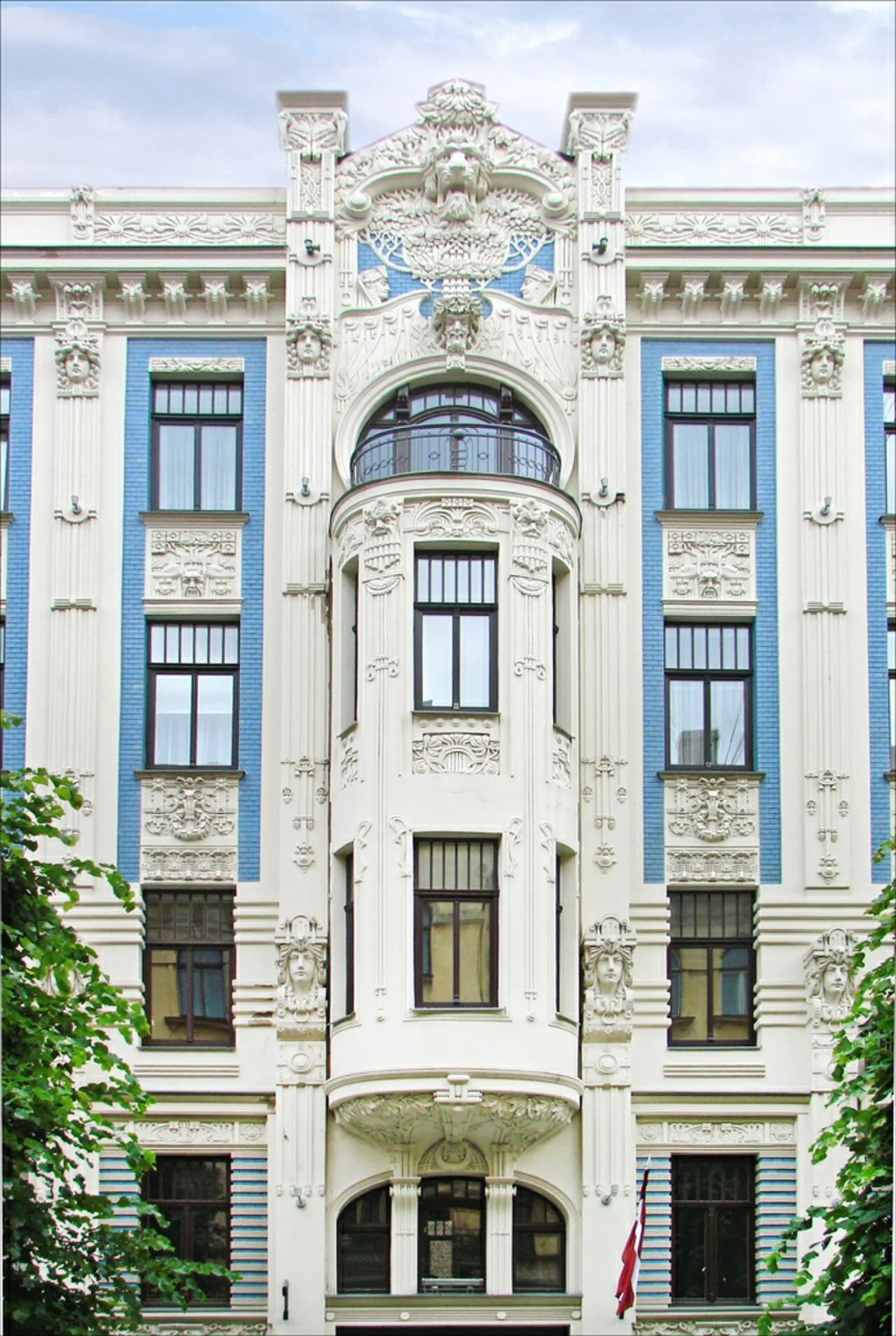
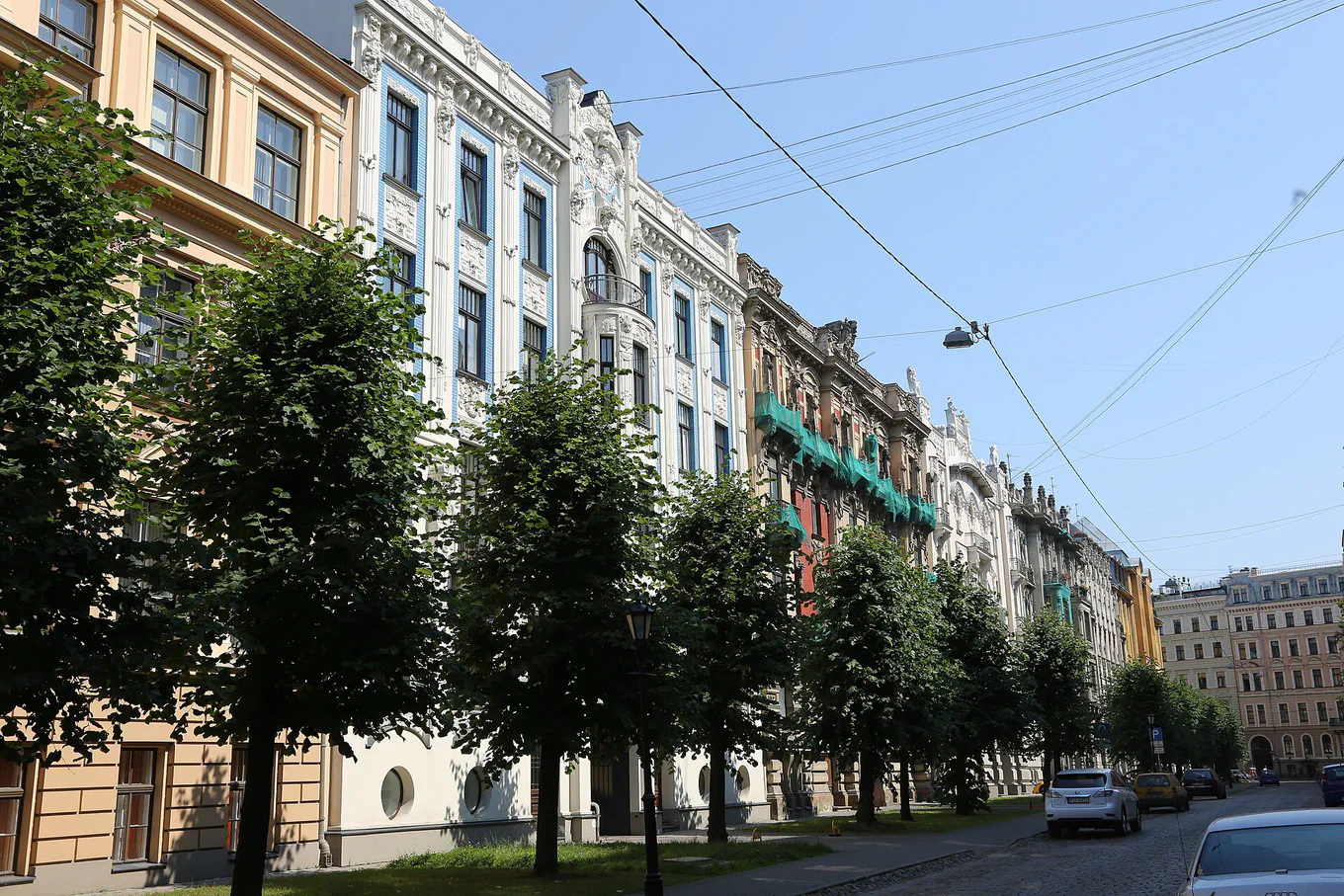
Stand here. Alberta iela. Mikhail Eisenstein designed numbers 2a, 4, 6, 8, and 13, and number 6 is strikingly red and cream.
Sergei Eisenstein, the Soviet film director, was born in Riga, and his father designed many of the houses on this street. Mikhail Eisenstein was behind many of the city’s best-known Art Nouveau buildings, and Sergei first studied architecture and engineering, his father’s profession. Then came the revolution. In 1918, Mikhail joined the Whites, the anti-revolutionaries, as an engineer. Sergei joined the Red Army. Mikhail settled in Berlin and died there in 1920. His son’s choice had ended their relationship.
The eighth world chess champion, Mikhail Tal, was born in Riga, and he played to attack. He calculated deeply and gave up pieces for the initiative, and he was known as the Magician from Riga. In 1960, aged 23, he beat Mikhail Botvinnik for the title, the youngest world champion there had ever been. A year later, Botvinnik won the return match in Moscow 13–8, and Tal’s chronic kidney problems played their part. The Magician from Riga had held the crown for one year.
5 The Soviet Sherlock Holmes and Riga’s Baker Street
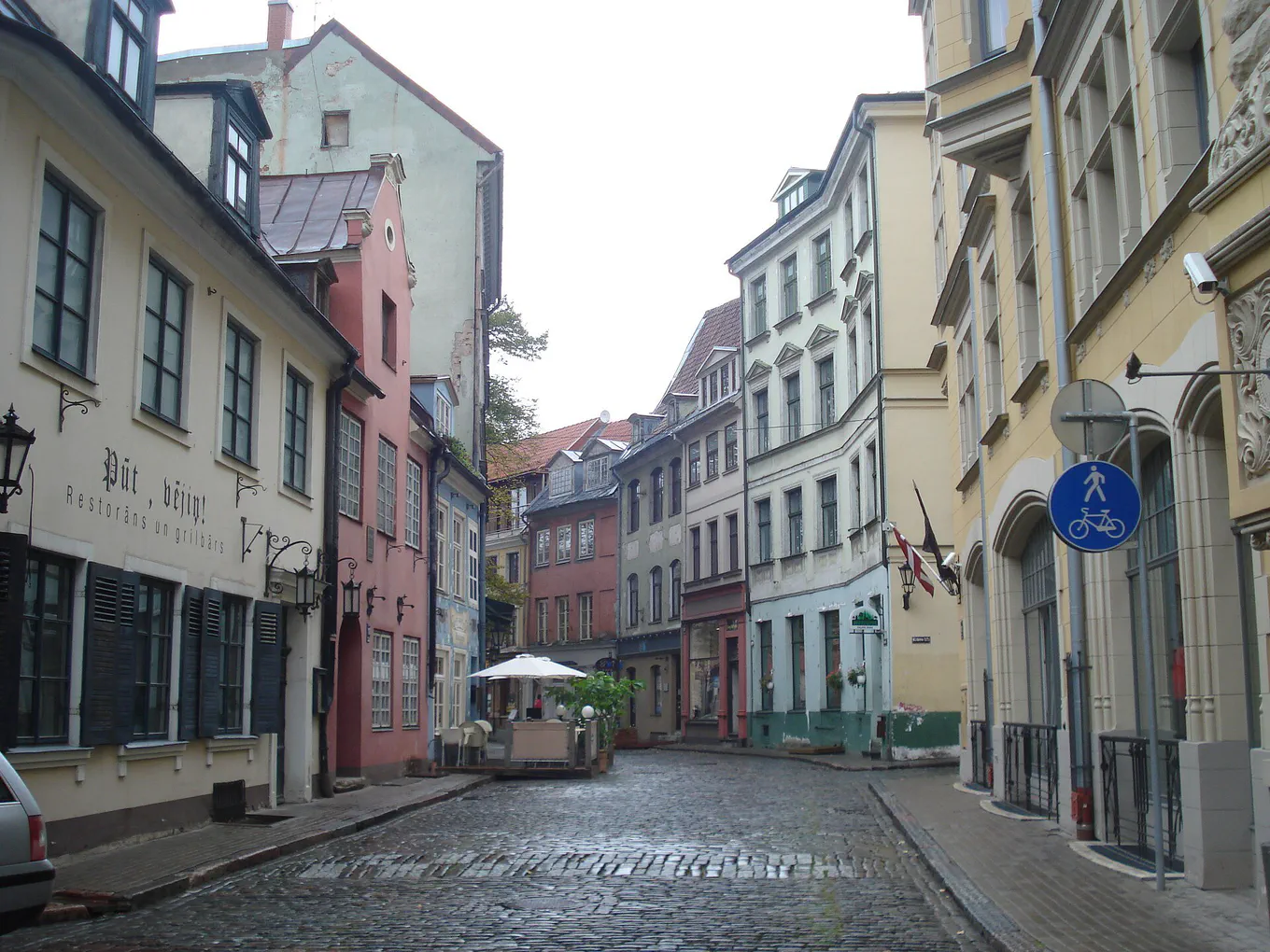
Stand here. Jauniela, a street in Riga’s Old Town, which played Baker Street for a Soviet Sherlock Holmes.
For Soviet television’s Sherlock Holmes, Baker Street was in Riga. Between 1979 and 1986, the Lenfilm studio made five Holmes films starring Vasily Livanov. The stories stayed in London, but the outside of Holmes’s home was this street in Riga, then in the Soviet bloc. A Soviet Holmes on a Latvian street might have stayed a curiosity. Instead, the West took to him, Britain most of all, and in 2006 Livanov was made an honorary Member of the Order of the British Empire.
The Book of Riga(Becca Parkinson and Eva Eglaja-Kristsone (eds), 2018). An anthology of short fiction translated from the Latvian. In one, a suicide attempt from the top of St Peter’s Church becomes a televised spectacle.
In the Shadow of Rooster Hill(Osvalds Zebris, 2014). A novel set in 1905 Riga, as worker riots, violence, and pogroms rock the city. The next year, a kidnapping of three children puts Riga’s police on edge.
The Cage(Alberts Bels, 1972). A mystery novel set in Riga, about the disappearance of a local architect, published while Latvia was under Soviet rule.
Films to watch before you visit Riga
Defenders of Riga(Aigars Grauba, 2007). A Latvian feature film about the defence of Riga in November 1919, during Latvia’s War of Independence.
The Lesson(Andris Gauja, 2014). A Latvian feature film. A teacher, Zane, takes a new job in Riga, mentoring an unruly group of senior pupils, and most scenes were shot in the city.
Mother, I Love You(Jānis Nords, 2013). A Latvian drama film set in Riga. It follows 13-year-old Raimonds and his relationship with his busy and distant mother.
Questions
Where was the Soviet Sherlock Holmes filmed in Riga?
On Jauniela, a street in Riga’s Old Town, which doubled as Baker Street in the Lenfilm films of 1979 to 1986 starring Vasily Livanov. The same street also played Flower Street in the Soviet production Seventeen Moments of Spring. Many other scenes were filmed in Saint Petersburg and Tallinn.
How much of Riga is Art Nouveau?
Riga has at least 800 Art Nouveau buildings, one of the largest collections in the world, and in the city centre they make up roughly a third of all the buildings. Many of the apartment houses on Alberta iela were designed by Mikhail Eisenstein, the father of the film director Sergei Eisenstein.
Why is Riga Central Market built from Zeppelin hangars?
Its five pavilions reuse the metal frames of German Zeppelin hangars from the First World War, which had stood at Vaiņode Air Base. Building took seven years instead of the planned five, from 1924 to 1930, and the market opened for trade on 10 November 1930.