Rosario is the largest city of Santa Fe province, in central Argentina, on the west bank of the Paraná River, about 300 kilometres north-west of Buenos Aires. Its nickname is the Birthplace of the Argentine Flag. Its stories are that flag and the man told to put it away, a sculptor’s statues left in their crates, Che Guevara’s birth on a business stop, Lionel Messi’s grandmother at a neighbourhood pitch, and a cartoonist’s plea for swear words.
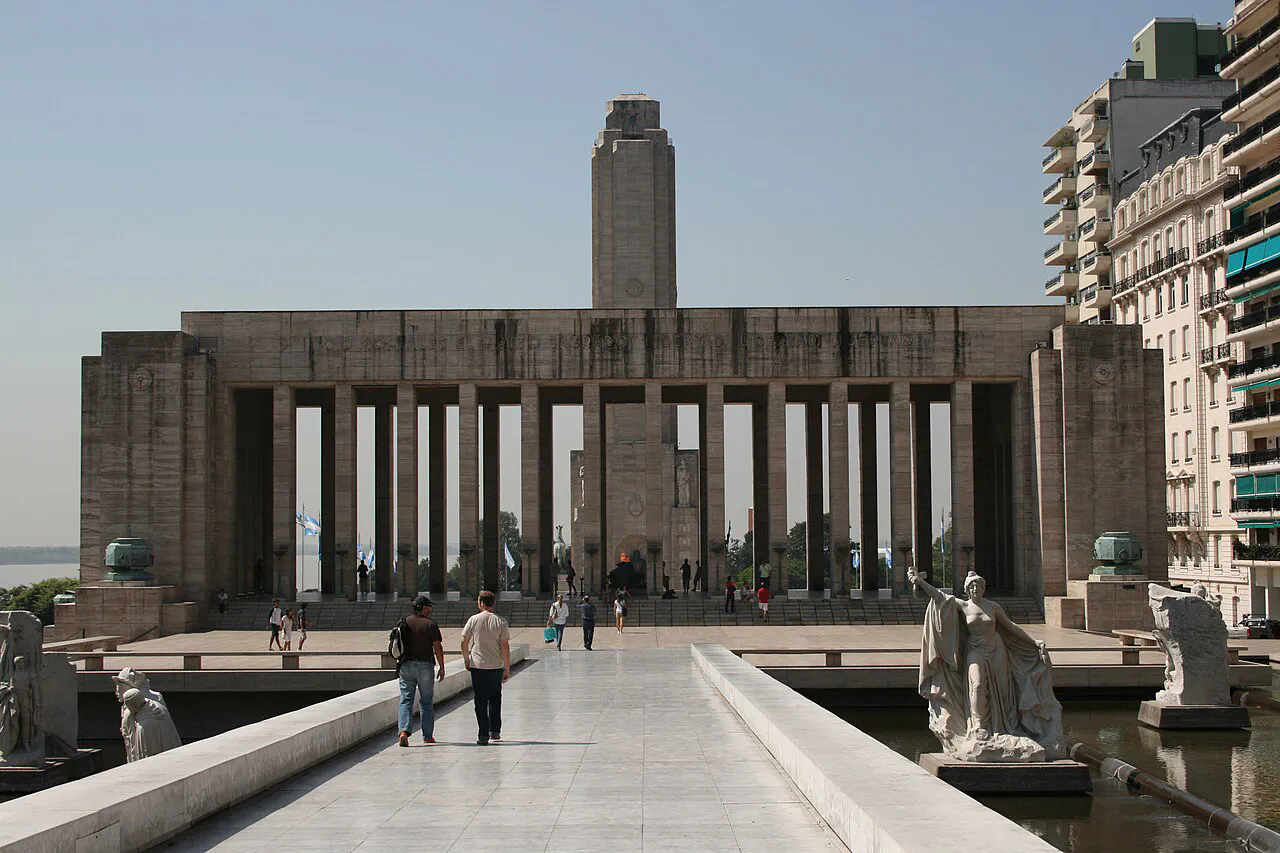
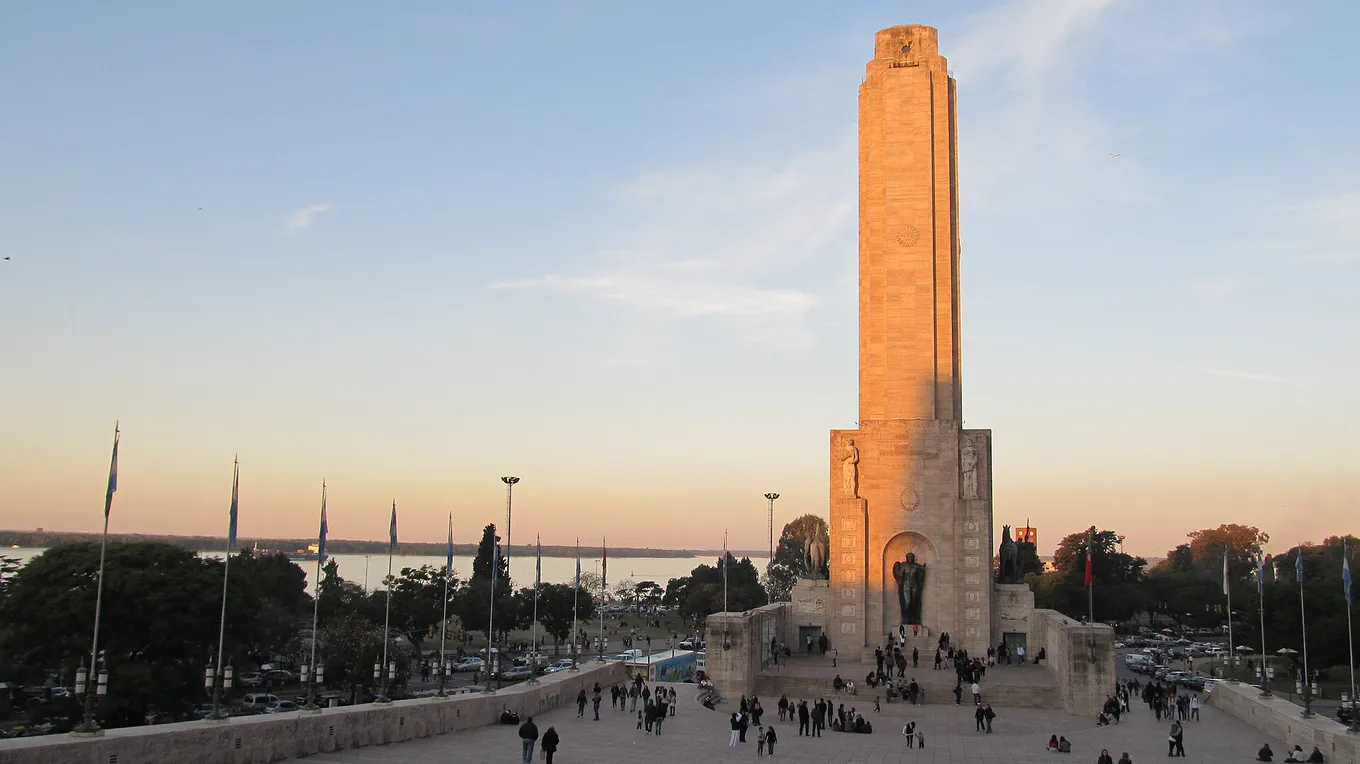
Argentina’s flag was first raised in Rosario, by a man soon ordered to abandon it. Manuel Belgrano, a lawyer and military leader, had won the government’s approval for a light blue and white cockade, a ribbon rosette. So he made a flag in the same colours, and on 27 February 1812 it went up by the Paraná. But the government, the First Triumvirate, had not approved it. Belgrano put it away. Four years later, it became the national flag. Argentina’s Flag Day falls on the anniversary of his death.
2 Lola Mora’s flag monument, left in its crates in Rosario
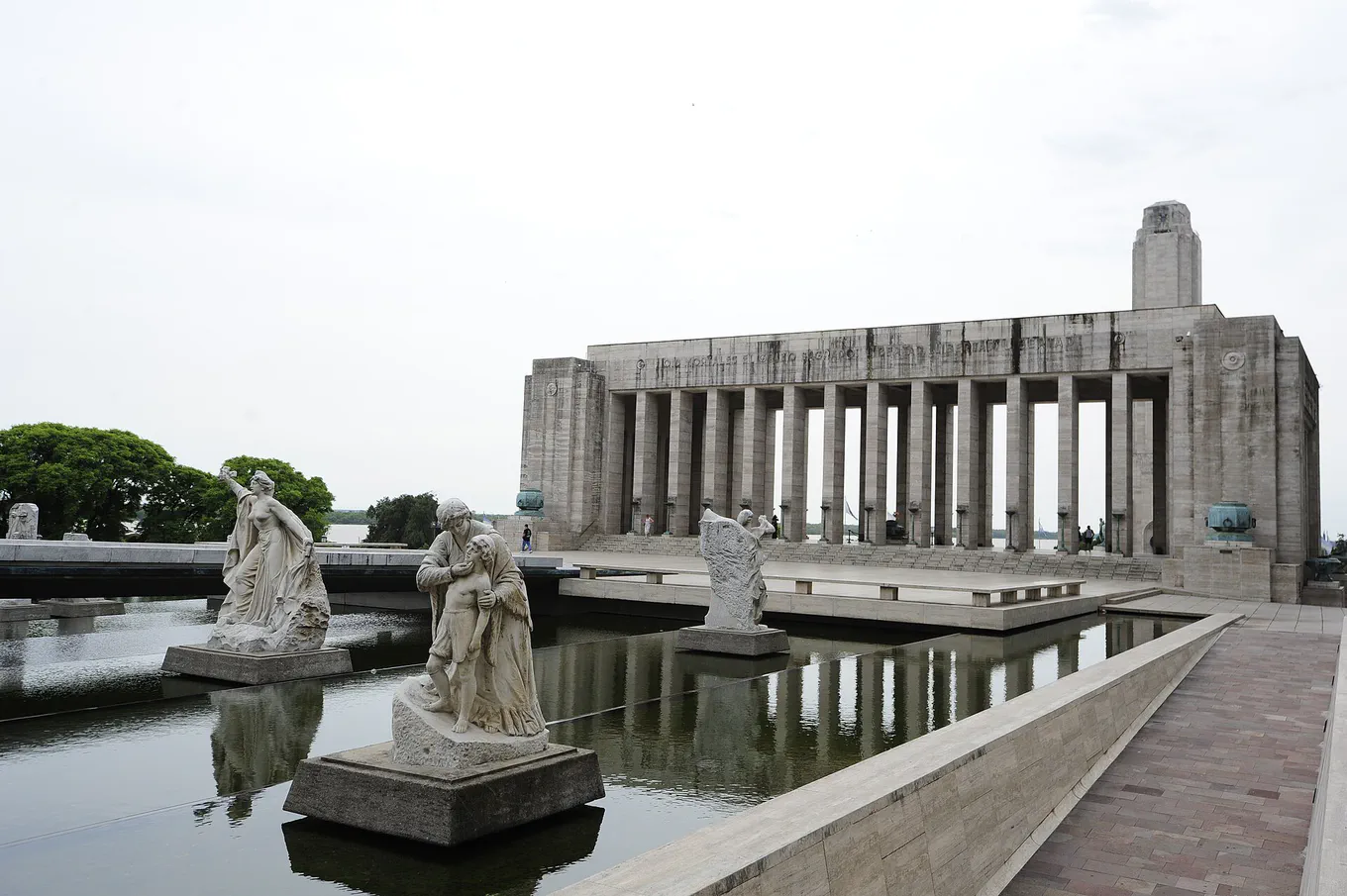
Stand here. The Pasaje Juramento, at Buenos Aires 750, the walk from Plaza 25 de Mayo to the Flag Memorial, lined with Lola Mora’s statues.
Lola Mora, a sculptor from Tucumán, agreed in 1909 to make Rosario’s Monument to the Flag. Six years later, she brought her sculptures to the city, packed in crates. The crates stayed shut for eight years. Then, in 1925, a presidential decree cancelled her contract, and the statues were abandoned. In 1997, the first stage of a new walk to the Flag Memorial opened, and it brought them together at last. Lola Mora had been dead for sixty-one years.
3 Che Guevara’s unplanned birth at Entre Ríos 480, Rosario
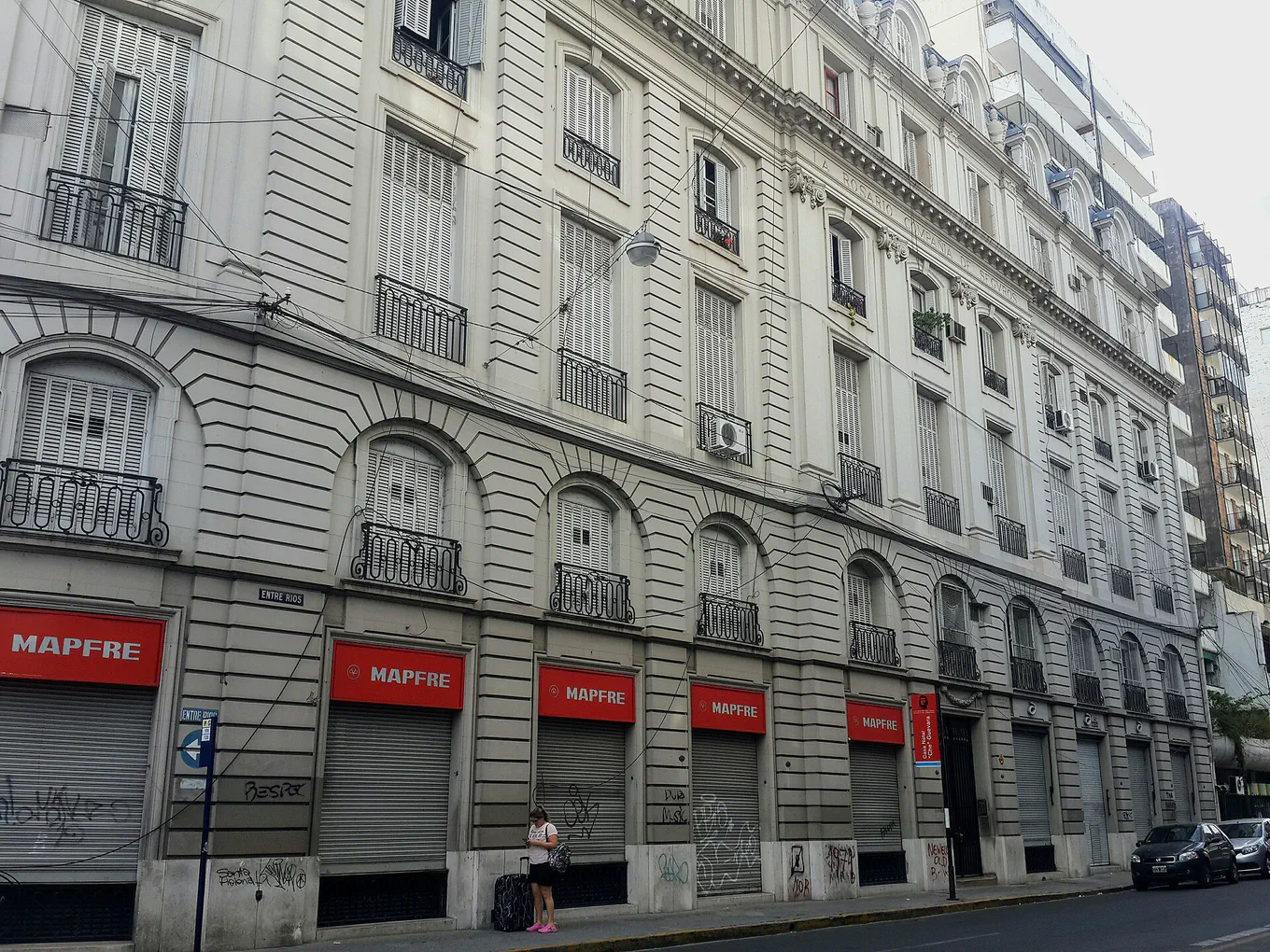
Stand here. Entre Ríos 480, in central Rosario. The birth apartment is on the second floor of a 1927 building by Alejandro Bustillo.
Che Guevara’s parents only meant to stop in Rosario for a few days, on business. It was 1928, and Celia de la Serna was pregnant. She went into labour, and on the doctors’ advice the couple stayed on, in an apartment in this building, where their son was born. His birth certificate says 14 June. One account says he was born on 14 May, and that the certificate was forged to hide that Celia had been pregnant when she married.
4 Lionel Messi’s grandmother and a game at Grandoli
Stand here. The pitch of Abanderado Grandoli, a neighbourhood football club in Rosario. When Messi first played here, it was just dirt.
Lionel Messi, born in Rosario in 1987, got into a game thanks to his grandmother. When he was five, she took him to Grandoli to watch his older brother play. One player was missing for a seven-a-side game for six-year-olds, and she wanted Lionel in it. The coach said Lionel was too young, but he gave in, with a warning for the grandmother: “If you see him cry or get scared, take him out.” Years later, whenever Messi scored, he pointed to the sky. It was for his grandmother.
5 Roberto Fontanarrosa’s plea for swear words at Teatro El Círculo
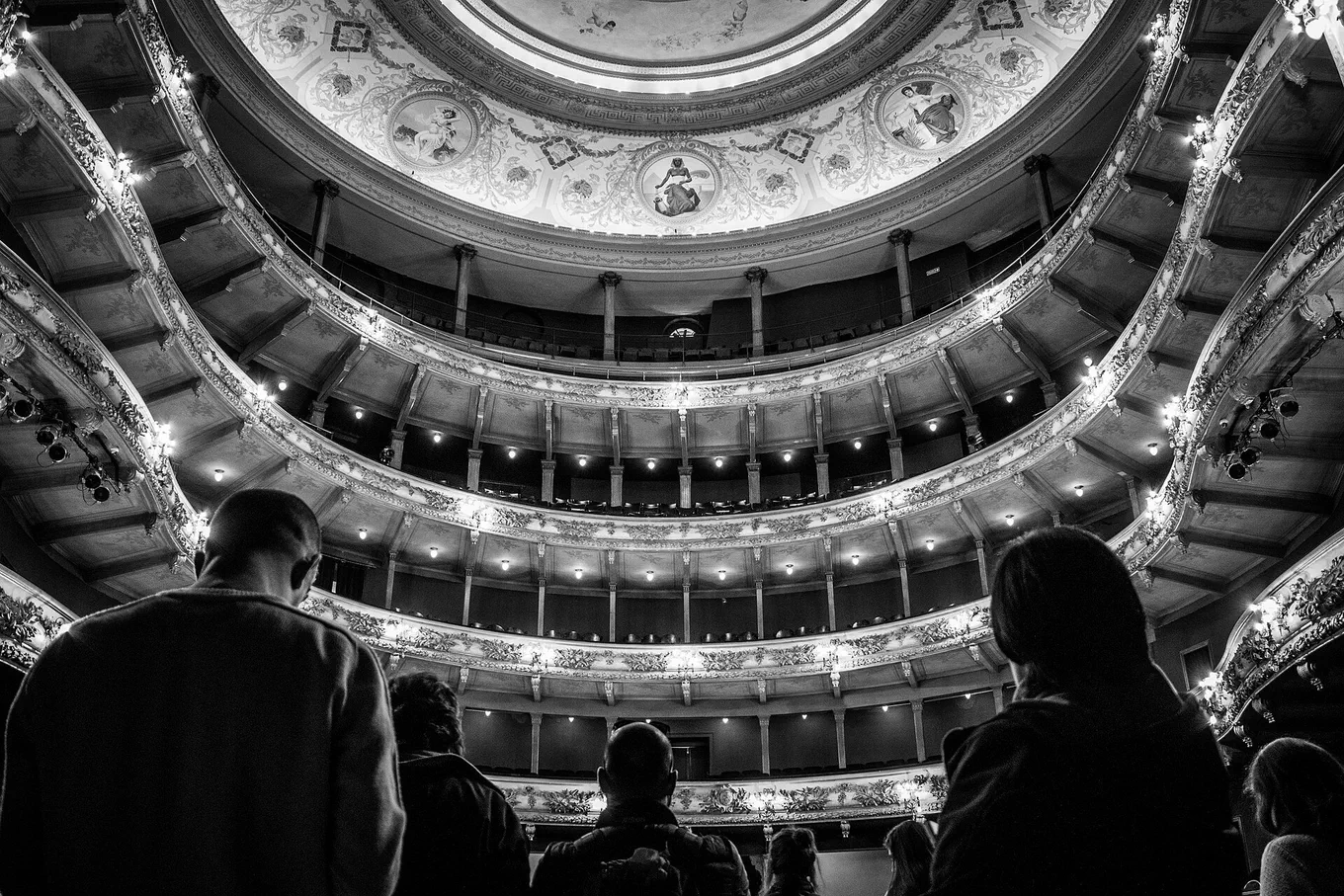
Stand here. Teatro El Círculo, in Rosario. It opened in 1904 as the Teatro de la Ópera.
In November 2004, the International Congress of the Spanish Language met in Rosario, and in this theatre the cartoonist Roberto Fontanarrosa spoke up for malas palabras, bad words. “Mierda,” he said, was irreplaceable. “I ask for an amnesty for most bad words,” he went on. “Let’s bring them into the language.” The audience laughed, clapped, and stamped on the red carpet. But Fontanarrosa had been diagnosed with motor neurone disease the year before. By 2007, he had lost full control of his hand and stopped drawing his own strips.
Pack nothing. Leave Friday.
Every Friday, I write a free letter, Journey, that takes us on a trip through places, stories, and ideas.
Los atributos(Roger Pla, 1985). A short novel, published after Pla’s death, set in 1920s Rosario around a legendary figure of the Pichincha district, Venancio Pascual Salinas.
La mesa de los galanes(Roberto Fontanarrosa, 1996). A book of short stories. Many of them feature the galanes of Fontanarrosa’s table at Bar El Cairo, on the corner of Santa Fe and Sarmiento.
Films to watch before you visit Rosario
Un crimen argentino(Lucas Combina, 2022). A film. A police thriller set in 1980s Rosario, based on Reynaldo Sietecase’s novel, shot at locations including the Monumento a la Bandera and Plaza Montenegro.
Rosarigasinos(Rodrigo Grande, 2001). A film. Shot in Rosario, it follows two men who, after 30 years in the Rosario prison, search for a suitcase full of money they had hidden.
Messi(Álex de la Iglesia, 2014). A documentary film. It follows the Argentine footballer Lionel Messi from his youth in Rosario to FC Barcelona.
Questions
Where was the Argentine flag first raised?
In Rosario, on 27 February 1812, when Manuel Belgrano hoisted it by the Paraná River. The National Flag Memorial, a monumental complex with a 70-metre tower, stands near the riverbank. One account places the first raising on an island on the far shore of the river.
Where are Lola Mora’s statues in Rosario?
In the Pasaje Juramento, the walk between Plaza 25 de Mayo and the National Flag Memorial, at number 750 on calle Buenos Aires. The statues stand on a fountain of different levels. Lola Mora made them for a Monument to the Flag, but her contract was cancelled in 1925, and the walk brought them together in 1997.
Why are Newell’s Old Boys called ‘the lepers’?
By tradition, Rosario Central refused to play a charity match for a leprosy clinic in the 1920s, and so became the ‘Canallas’, the scoundrels. Newell’s Old Boys stepped in to play it and became ‘Los Leprosos’, the lepers. Lionel Messi joined Newell’s when he was seven.