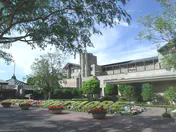
San Diego, United States, California, North America
The Top Gun movies are set here. Comic-Con was born here. Enough said.
— Nick
The Presidio and mission founded at San Diego in 1769 were the first European settlement in what is now California. The city sits on the Pacific coast of Southern California, next to the Mexican border. An explorer’s fatal stumble opens five tales that end in the basement where Comic-Con began, passing a priest who walked towards his killers, Wyatt Earp’s gambling halls and Dr Seuss’s fifty-word bet.
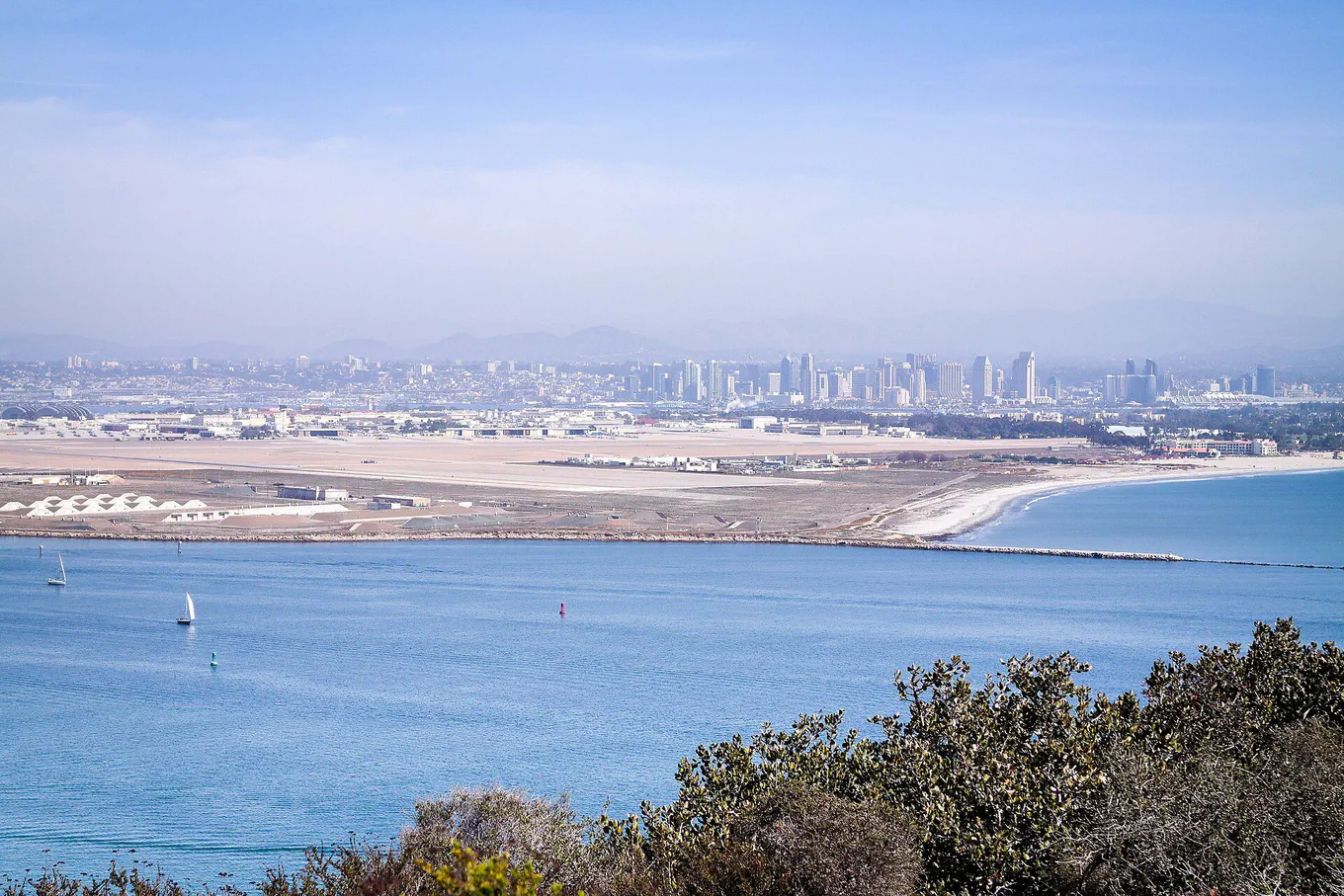
On 28 September 1542, Juan Rodríguez Cabrillo, sailing for Spain, landed in San Diego Bay. He was the first European to set foot on today’s West Coast of the United States, and he called the bay San Miguel, “a closed and very good port”. Around Christmas, he stepped out of his boat to rescue his men from Tongva warriors and splintered his shin on a jagged rock. The wound turned gangrenous, and the man who had found the good port died of a stumble.
2 Father Luis Jayme and the burning of Mission San Diego
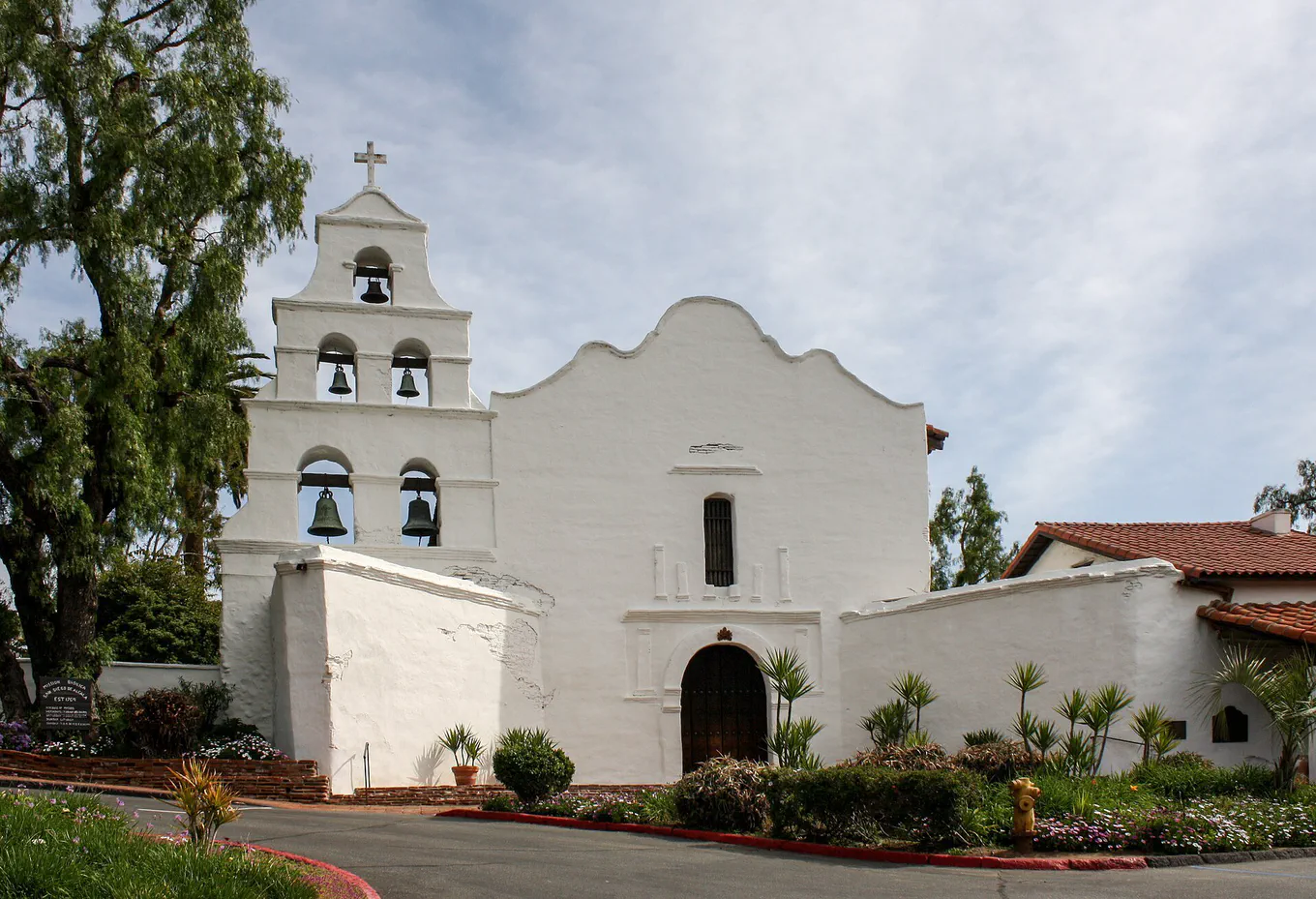
Stand here. Mission Basilica San Diego de Alcalá, still a working parish. Its church is the fifth on the site, and Jayme lies in the sanctuary.
Junípero Serra, the Franciscan later made a saint, founded the mission on Kumeyaay land. A priest here, Luis Jayme, from Majorca, learned the Kumeyaay language well enough to compile a catechism that used it, and reported soldiers for raping Kumeyaay women. He was ignored. At 1.30 one moonlit morning in November 1775, more than 600 warriors crept in, plundered the chapel, and set the buildings ablaze. Jayme walked towards them with the Franciscan greeting, “Love God, my children!” They killed him.
3 Wyatt Earp’s gambling halls in the Gaslamp Quarter
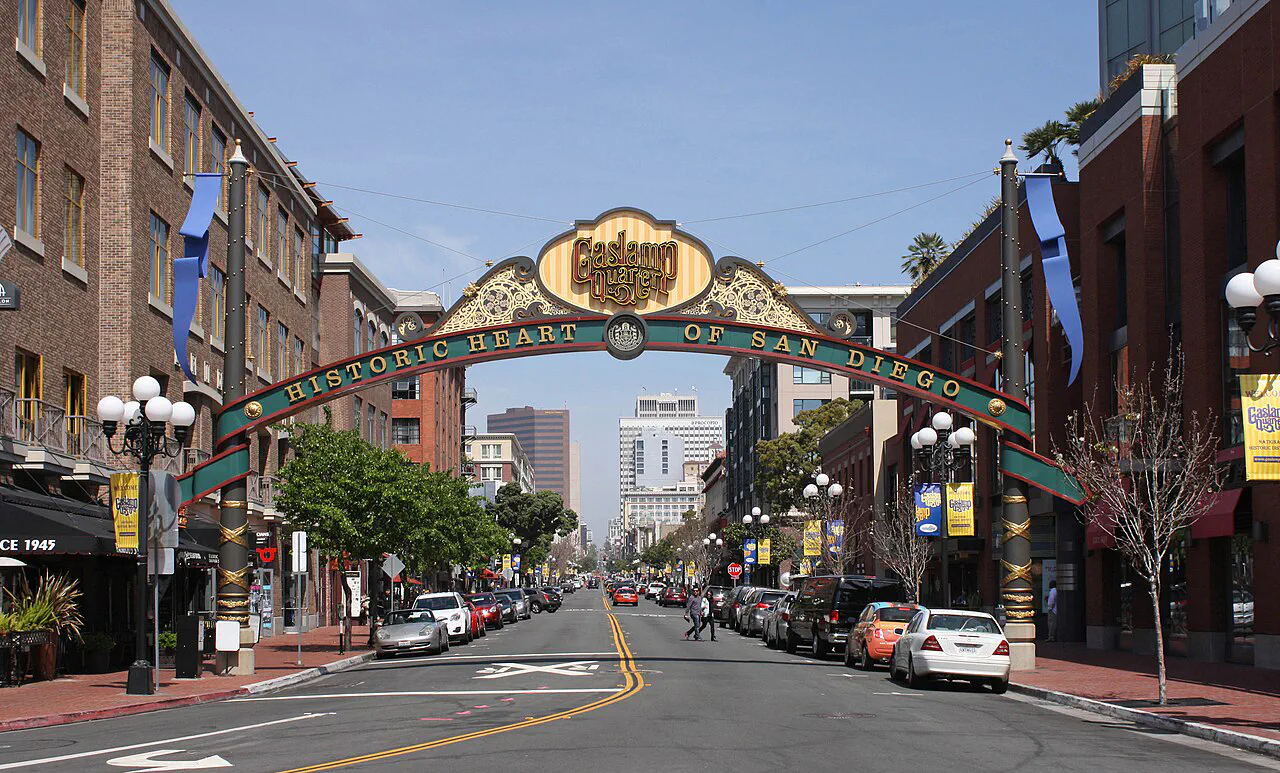
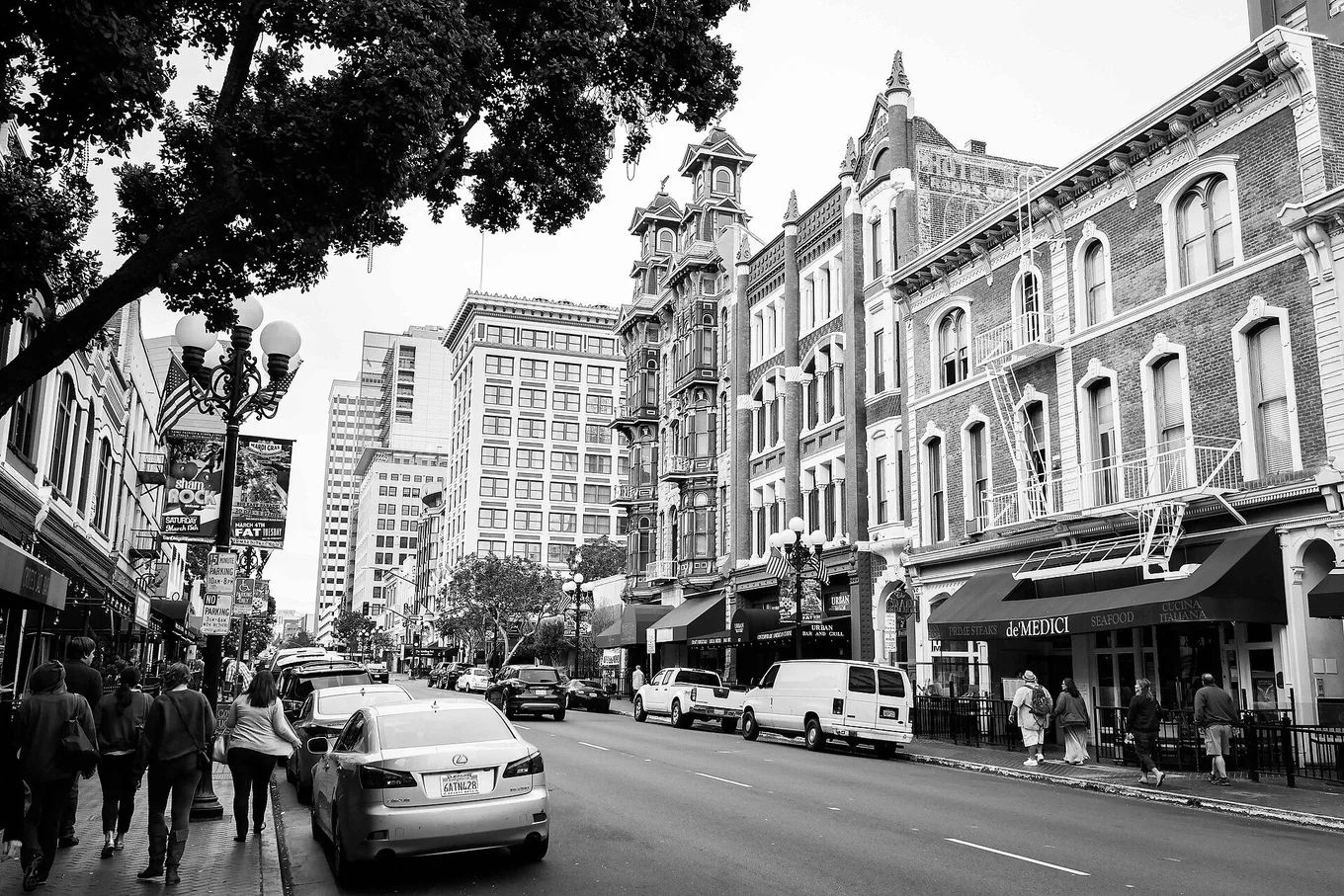
Stand here. Fifth Avenue in the Gaslamp Quarter, a district of over 90 historic buildings, many now restaurants, shops, and nightclubs.
Years after the gunfight at the O.K. Corral, Wyatt Earp came to San Diego during a property boom. He bought saloons and gambling halls, and owned the Oyster Bar in the Louis Bank Building, at 835 Fifth Avenue, in the Stingaree red-light district. At the boom’s height he made up to $1,000 a night. Then the boom ended as fast as it had begun, and by 1890 the city had shrunk from 40,000 people to 16,000. When his property lost its value, the lawman of the O.K. Corral couldn’t pay the taxes and had to sell.
4 Dr Seuss, La Jolla, and the fifty-word bet
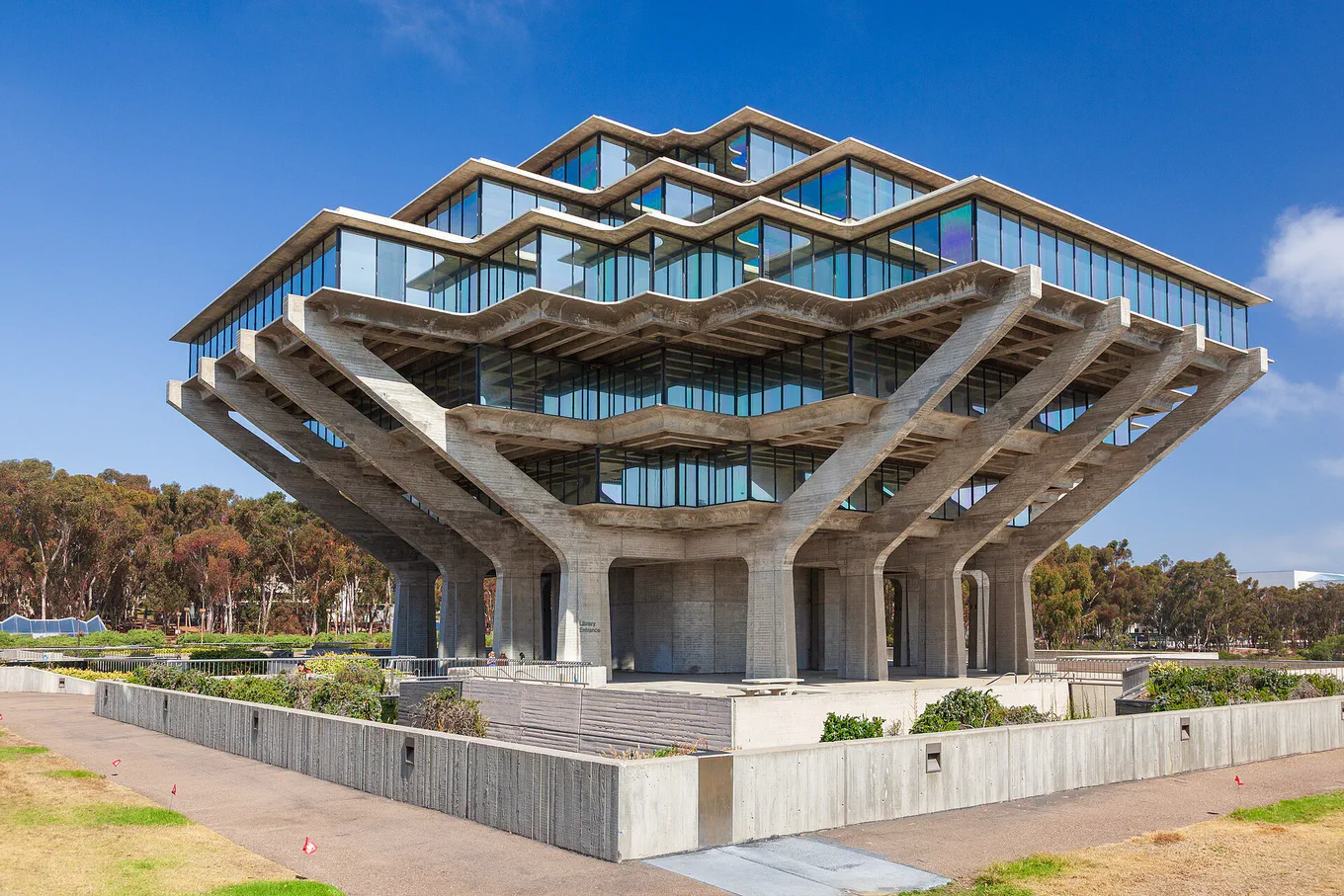
Stand here. Geisel Library, UC San Diego’s main library. A bronze of Dr Seuss and the Cat in the Hat stands on its forum level.
The Cat in the Hat, written in La Jolla by Dr Seuss, used 236 words from a list he’d been given. Later his publisher, Bennett Cerf, bet Theodor Geisel, the man behind the pen name, that he couldn’t write an engaging children’s book with only 50 different words. In 1960, Geisel answered with Green Eggs and Ham. As for what it meant, he said “the only meaning was that Bennett Cerf, my publisher, bet me fifty bucks I couldn’t write a book using only fifty words”.
5 Shel Dorf’s first Comic-Con at the U.S. Grant Hotel
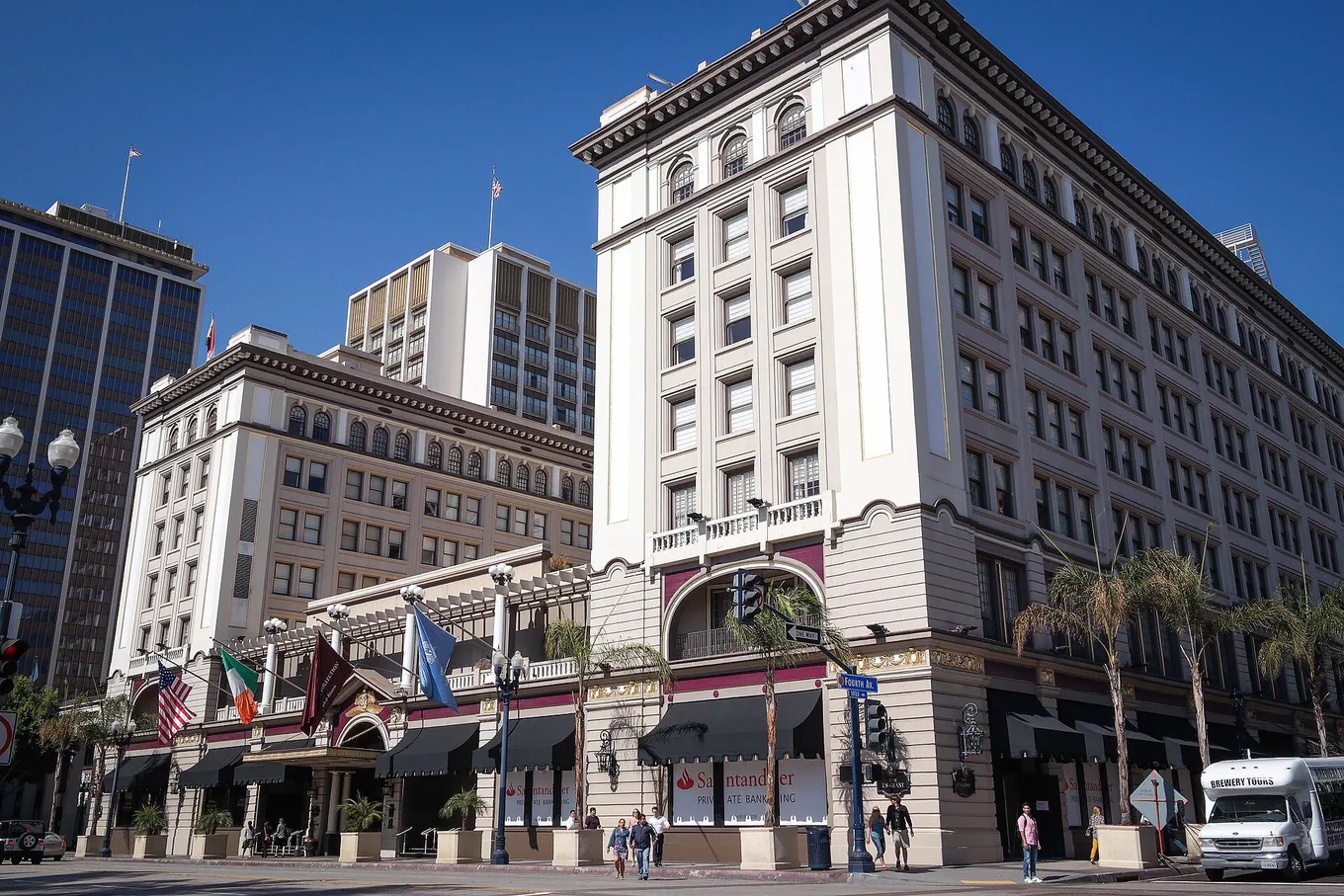
Stand here. The U.S. Grant Hotel. Opened in 1910 and named after President Grant, it is still a working hotel.
San Diego Comic-Con began in this hotel’s basement. In 1970, Shel Dorf, a Detroit-born comics fan who had run a fan fair there, moved to San Diego to look after his ageing parents. He staged a one-day mini-convention to raise funds, then that August held his first three-day convention. Since 2010, the convention that began with 300 people in a basement has filled the San Diego Convention Center to capacity, with more than 130,000.
Pack nothing. Leave Friday.
Every Friday, I write a free letter, Journey, that takes us on a trip through places, stories, and ideas.
Two Years Before the Mast(Richard Henry Dana Jr., 1840). A memoir. Dana spends a season on the San Diego shore, preparing hides for shipment to Boston.
Ramona(Helen Hunt Jackson, 1884). A novel. Estudillo House, in Old Town, became a tourist draw as “Ramona’s Marriage Place”, though there’s no record Jackson ever went there.
Playback(Raymond Chandler, 1958). A novel. Its town of Esmeralda is La Jolla under another name, where Chandler lived his last years.
The Pump House Gang(Tom Wolfe, 1968). An essay. Wolfe on the surfers who gathered at a sewage pump house on Windansea Beach, in La Jolla.
Films to watch before you visit San Diego
Some Like It Hot(Billy Wilder, 1959). A film. The Hotel del Coronado, across the bay, plays the “Seminole Ritz” in Miami, with Marilyn Monroe.
Top Gun(Tony Scott, 1986). A film. Goose and Maverick sing “Great Balls of Fire” at the piano in Kansas City Barbeque, on West Harbor Drive.
Almost Famous(Cameron Crowe, 2000). A film. A child prodigy struggles to fit in in 1969 San Diego, with scenes shot at Ocean Beach and Sunset Cliffs.
Anchorman: The Legend of Ron Burgundy(Adam McKay, 2004). A film. Shot mostly in Los Angeles, on sets made to look like 1970s San Diego.
Questions
Where did San Diego Comic-Con start?
In the basement of the U.S. Grant Hotel, in San Diego. Shel Dorf’s first three-day convention drew 300 people there on 1–3 August 1970. Comic-Con moved to the San Diego Convention Center in 1991.
Can you see Dr Seuss’s work in San Diego?
UC San Diego’s main library was renamed Geisel Library in 1995 and holds the Dr Seuss Collection, about 8,500 items. The collection is open only to researchers with permission from the director of special collections. The library also has a life-size bronze of Geisel and the Cat in the Hat.
Why is San Diego called the Birthplace of California?
Because the Presidio and Mission San Diego de Alcalá, founded in 1769, formed the first European settlement in what is now California. The original town stood at the foot of Presidio Hill, in what is now Old Town San Diego State Historic Park.