The closest I’ve been to Costa Rica is Isla Nublar, the made-up island off its coast in Jurassic Park. My favourite line is Alan Grant’s: “Mr Hammond, after careful consideration, I’ve decided not to endorse your park.” RIP Sam Neill. A class act.
— Nick
In 1823, after its militia won a battle, San José took over from Cartago as Costa Rica’s capital. It is also the country’s largest city, in the Central Valley at its centre. A would-be conqueror on a monument heads the list, ahead of a railway lined with bananas, a theatre built after a diva wouldn’t sing, a peace palace no court used and an army ended with a mallet.
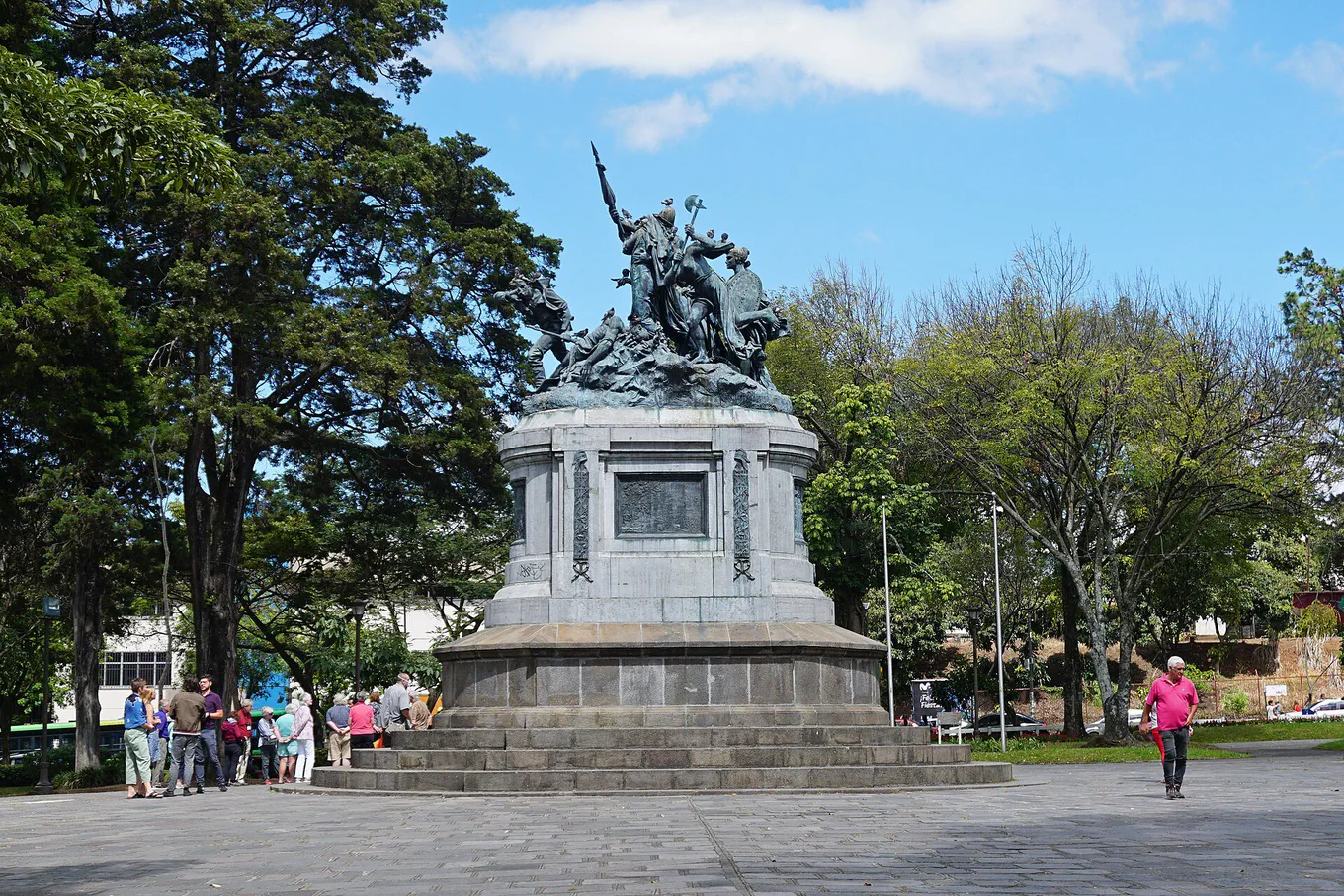
William Walker running away on San José’s National Monument
Stand here. Parque Nacional, at the Monumento Nacional (National Monument). The sculpture group, finished in Paris and unveiled in 1895, still stands there.
Ed Harris played William Walker in the film Walker. The real man was an American who wanted to rule Nicaragua. Costa Rica declared war on him, and on 11 April 1856 its army beat his men at Rivas. That July, Walker was sworn in as president of Nicaragua all the same. He surrendered the next year, and three years later a firing squad shot him in Honduras. On San José’s monument, five armed women stand for Central America, and Walker is running away.
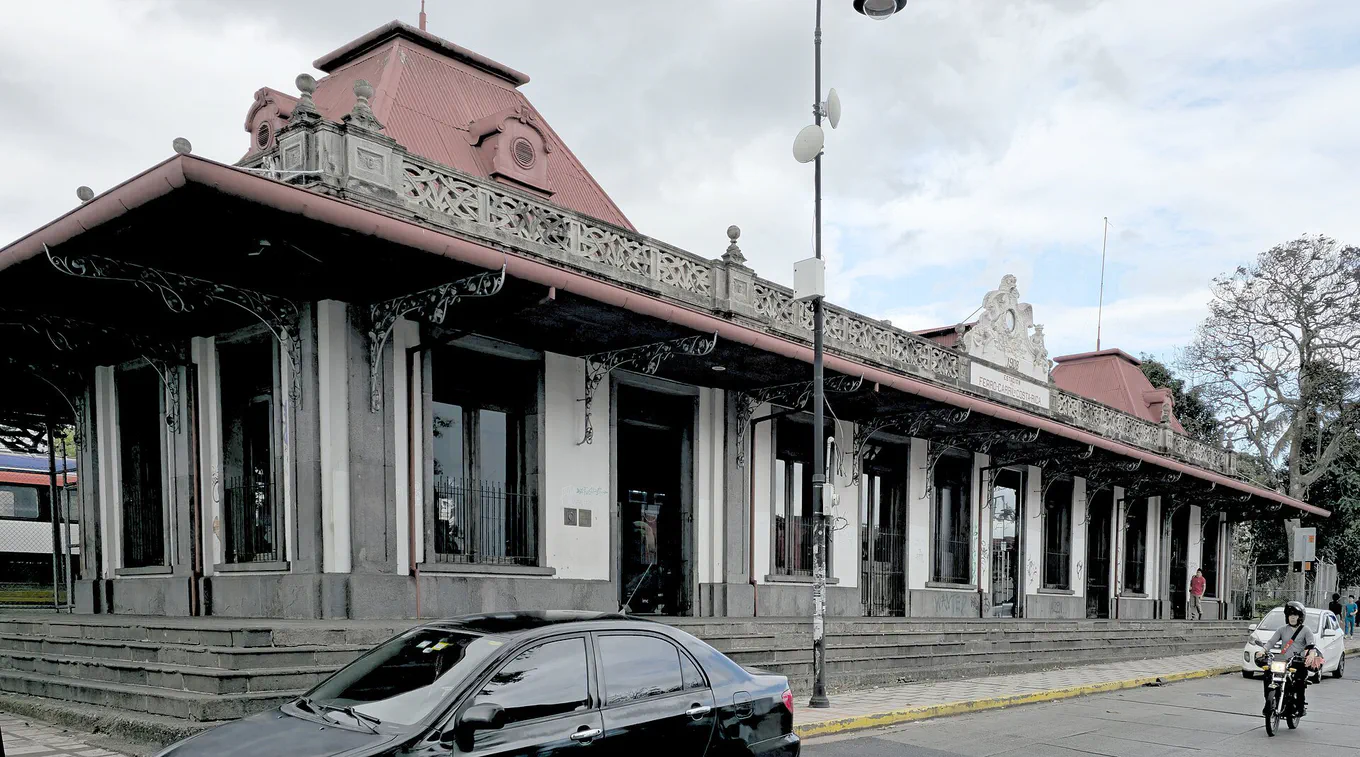
Minor Keith’s Atlantic railway and the bananas beside the track
Stand here. Estación al Atlántico, a few metres from Parque Nacional. Built in 1908 as the main station for Limón, it now serves commuter trains.
Minor Keith helped create United Fruit, but he came to Costa Rica to build a railway. In 1871, his uncle was hired to build a line from San José to the Caribbean port of Limón, and Keith, then 23, came to help. As many as 4,000 men died building it, three of Keith’s brothers among them. To feed the rest, he planted bananas beside the track. The finished line couldn’t pay his debts. In 1899, a financial setback forced him to merge with Boston Fruit. The result was United Fruit.
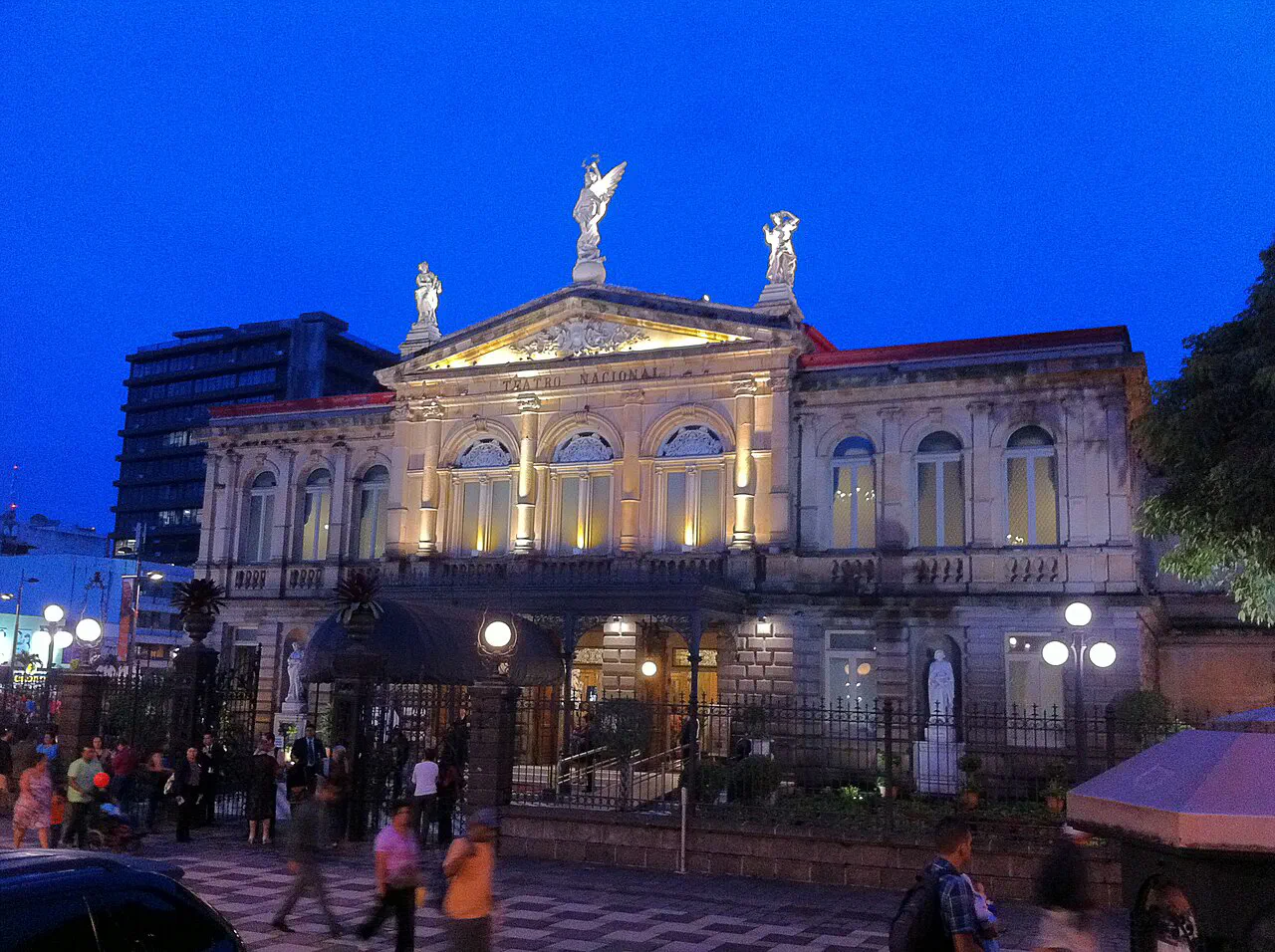
Adelina Patti, a coffee tax, and San José’s National Theatre
Stand here. Avenida Segunda, between Calles 3 and 5, at the Teatro Nacional. The theatre runs guided tours in Spanish and English.
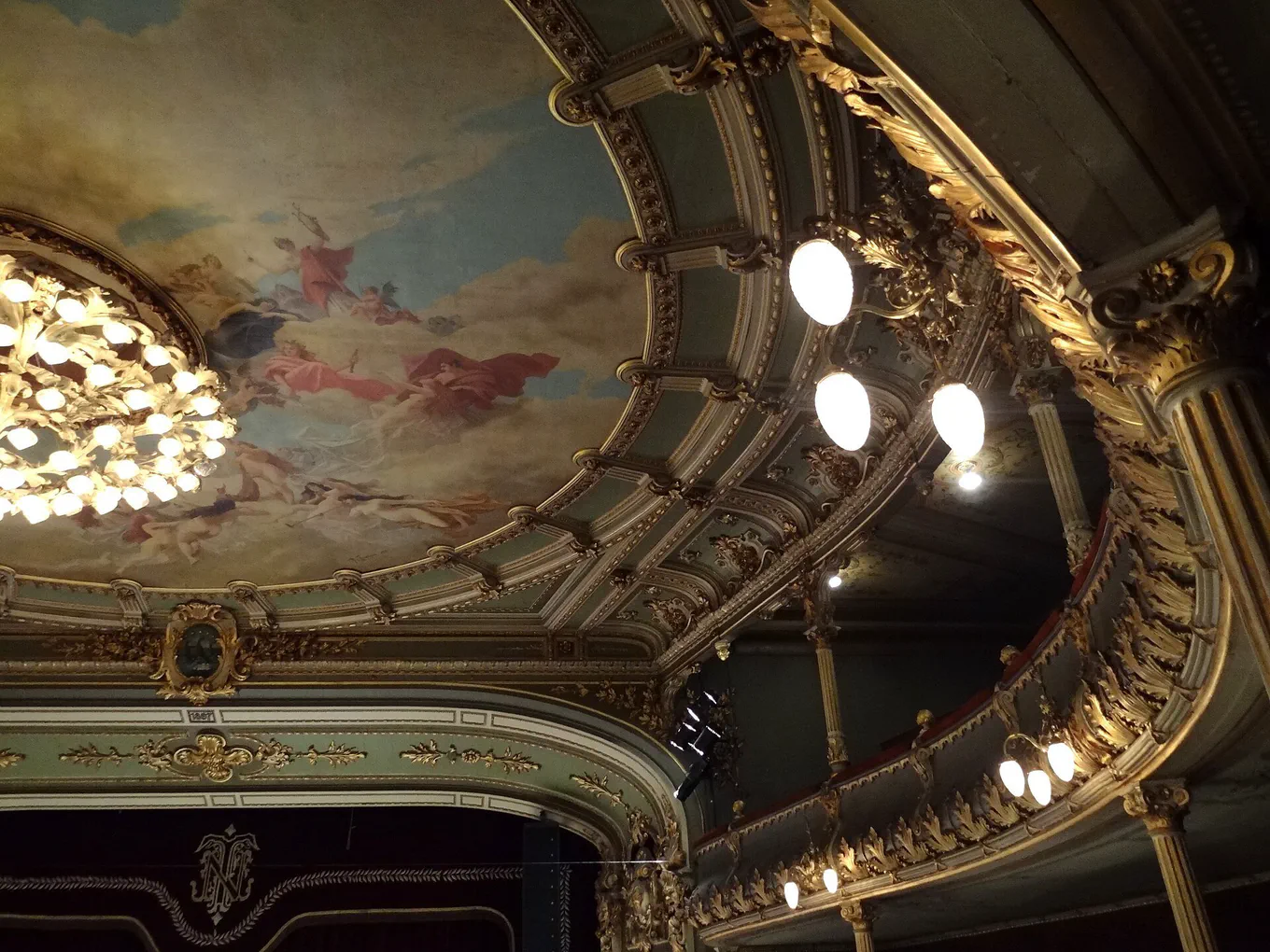
According to the theatre’s own history, the opera diva Adelina Patti refused to sing in Costa Rica on a makeshift stage, after earthquakes destroyed the Municipal Theatre. In 1890, wealthy coffee planters and merchants proposed a tax on their own coffee exports to build a proper one. Within three years, the planters were feeling its weight and pressing for repeal, and the tax was moved onto imports. By the time the theatre opened with Gounod’s Faust, in October 1897, the bill had passed from the planters to everyone.
Andrew Carnegie’s peace palace at the Casa Amarilla
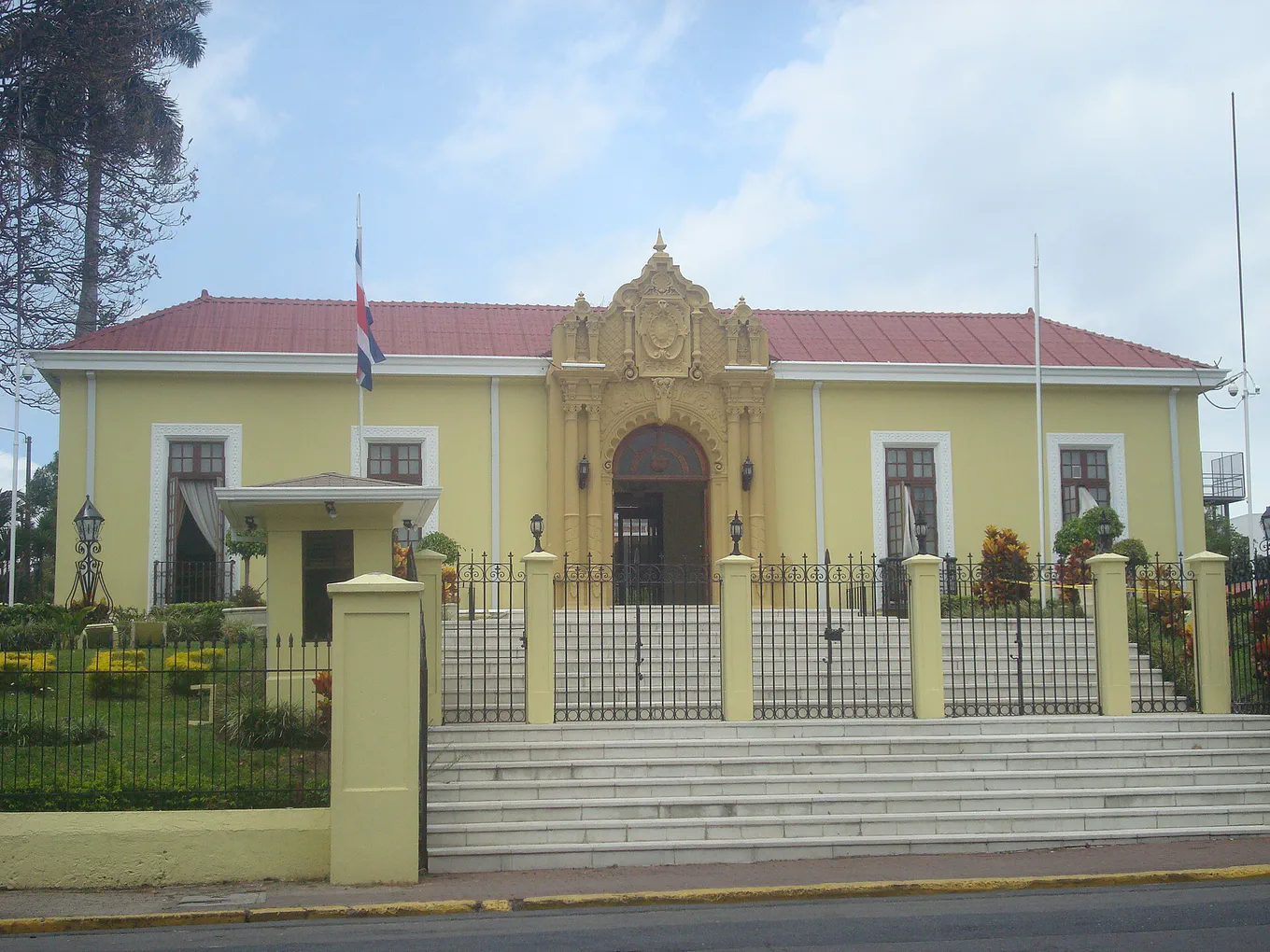
Stand here. Avenida 7 at Calle 11, outside the Casa Amarilla (Yellow House), now the Foreign Ministry. John F. Kennedy planted the ceiba tree in front.
Andrew Carnegie, the steel magnate, gave $100,000 to build a home for the Central American Court of Justice, one of the world’s earliest permanent international courts. The first palace went up in Cartago, the old capital, but on 4 May 1910, before it was finished, an earthquake destroyed it and the city around it. Carnegie offered the same sum again. The new palace was finished here in San José in 1916. The court never sat in it, and by April 1918 the court itself was gone.
José Figueres and the mallet at the Bellavista barracks
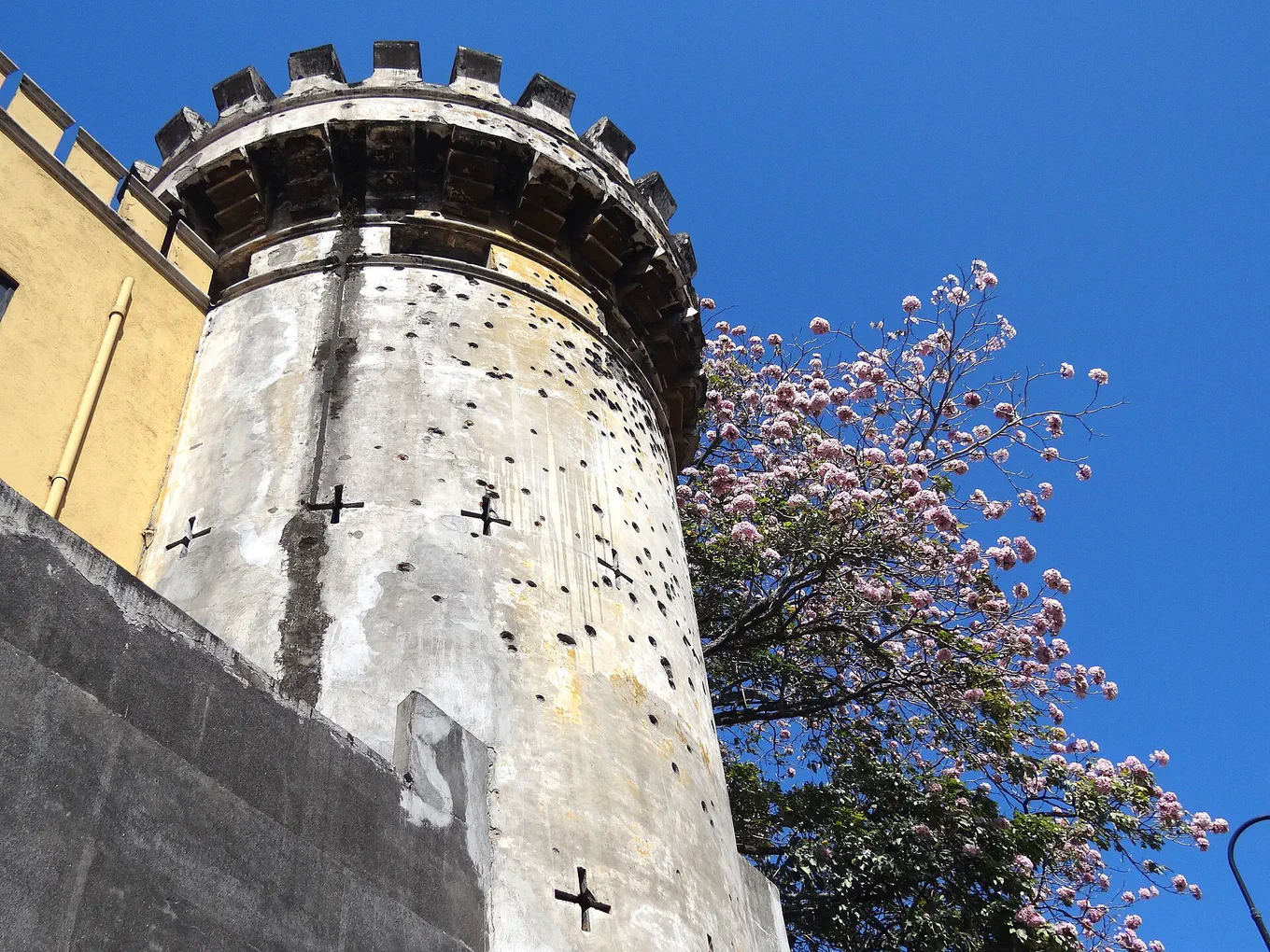
Stand here. The National Museum, in the old Bellavista barracks beside the Plaza de la Democracia. Its turrets are still pocked with bullet holes.
In 1948, José Figueres won a civil war that killed more than 2,000 people. He had won with an army, but on 1 December he came to the army’s own barracks to abolish it, and swung a six-kilo mallet at a turret. The first blow barely scratched the concrete, and most photographers took their picture then. On the second, a piece loosened in advance flew off. Only one photographer caught it.
Pack nothing. Leave Friday.
Every Friday, I write a free letter, Journey, that takes us on a trip through places, stories, and ideas.
Única mirando al mar(“Única Looking at the Sea”, Fernando Contreras Castro, 1993). A novel. Its characters live in a shanty town on San José’s main rubbish dump.
El año del laberinto(Tatiana Lobo). A novel. The Medero family’s house stands on the Calle del Laberinto, a street that really existed in San José.
La modernización entre cafetales. San José, Costa Rica, 1880–1930(Florencia Quesada Avendaño, 2011). A history of the city’s modernisation, from the dusty Plaza Central and the Cathedral at its colonial heart.
Films to watch before you visit San José
Violeta al fin(Hilda Hidalgo, 2017). A film about a woman in old age, set almost entirely in the San José district of Barrio Escalante.
Abril(Hernán Jiménez, 2026). A film that a La Nación columnist called a love letter to San José. Its central character lives above the cantina La Bohemia, a fabled spot in the city’s nightlife.
Questions
Can you still see bullet holes on the National Museum in San José?
Yes. The museum, in the old Bellavista barracks, still has turrets pocked with bullet holes, which the Tico Times ties to the 1948 civil war. The barracks also saw uprisings in 1932 and 1949, and several holes from those were plastered over.
Can you tour the National Theatre in San José?
Yes. The Teatro Nacional, on Avenida Segunda between Calles 3 and 5, runs guided tours, and the building has been declared a national monument.
When did San José become the capital of Costa Rica?
In 1823. Militia from San José and Alajuela beat the forces of Cartago, the original capital, at the Battle of Ochomogo on 5 April 1823, and San José became the capital in its place. The town itself was founded in the 1730s, to gather the scattered settlers of the Aserrí Valley.