Charles Miller learned football at school in Southampton, just down the road from me, then came home to São Paulo with two balls, a pump and a rulebook. Brazil took it on a bit from there.
— Nick
São Paulo is the largest city in Brazil and the most populous in the Americas, the capital of São Paulo state, cut off from the coast by the Serra do Mar mountains. Jesuit priests founded it in 1554. Its stories here are a prince’s cry by a brook, a young man’s two footballs, a poet booed in a grand theatre, a museum held up in the air, and a racing driver’s grave.
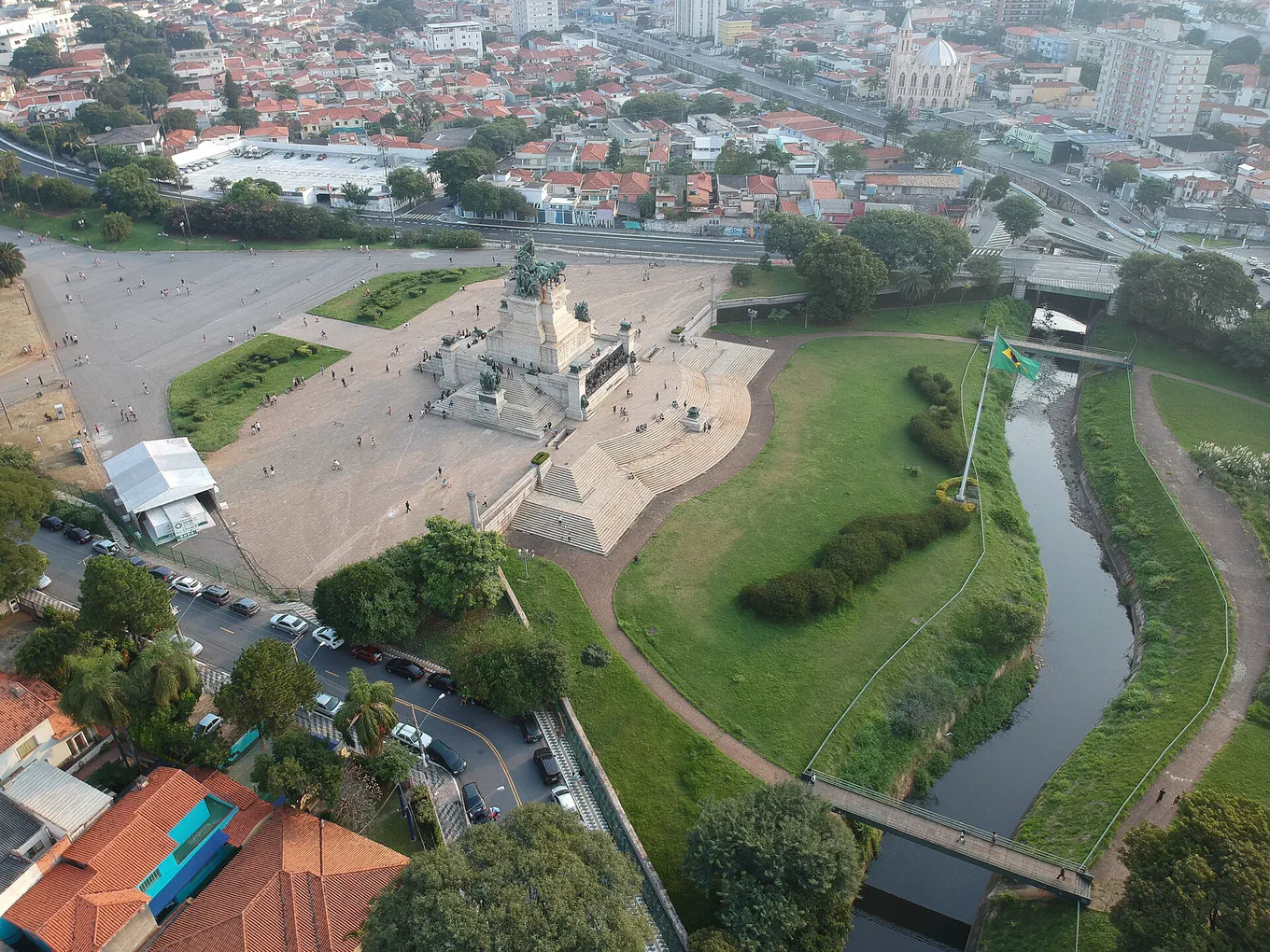
Pedro Américo’s painting Independence or Death shows the moment by this brook. Prince Pedro was ruling Brazil for his father, the King of Portugal, and had come to keep São Paulo loyal. On his way back to Rio, on 7 September 1822, letters reached him here. Portugal’s parliament had stripped his remaining powers and ordered him home. Pedro took off his blue-and-white Portuguese armband and cried, “Brazilians, Independence or death!” He was crowned emperor that December. His remains lie beneath the monument, beside the brook where he said no.
2 Charles Miller brings football home to São Paulo
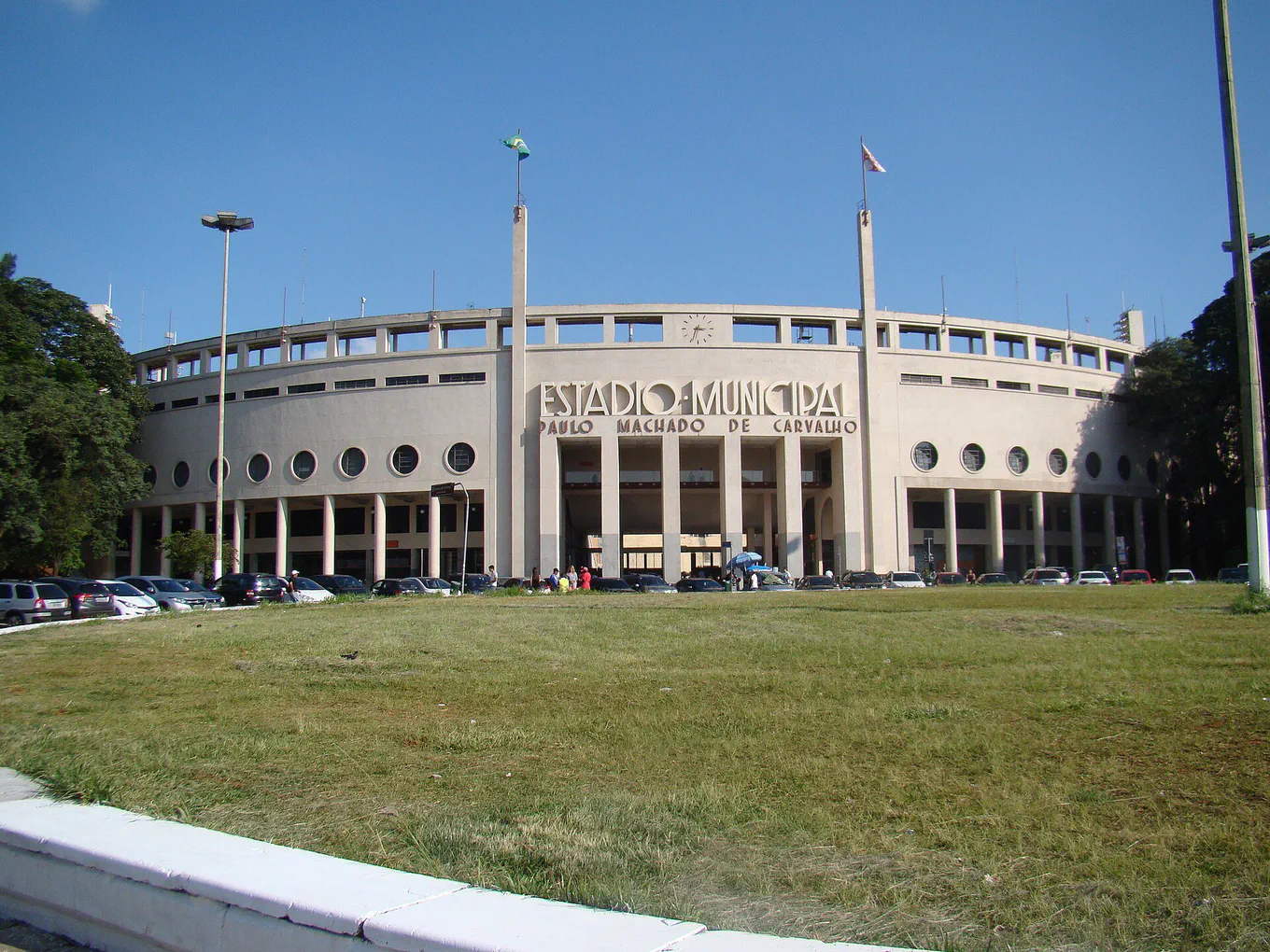
Stand here. Praça Charles Miller, beside the main entrance of Pacaembu Stadium, which reopened in 2025. The Football Museum is inside the stadium.
Brazilian football calls Charles Miller its father. He was born in São Paulo and learned the game at school in Southampton. In 1894 he came home to a job on the São Paulo Railway, with two used footballs, a pump, and a rulebook in his luggage. The next year, at Várzea do Carmo in Brás, the railway’s team beat the gas company’s 4–2 in what is called Brazil’s first organised match. Some historians say sailors played informally from the 1870s, so Miller wasn’t the first player but the first organiser.
3 Mário de Andrade booed at the Theatro Municipal
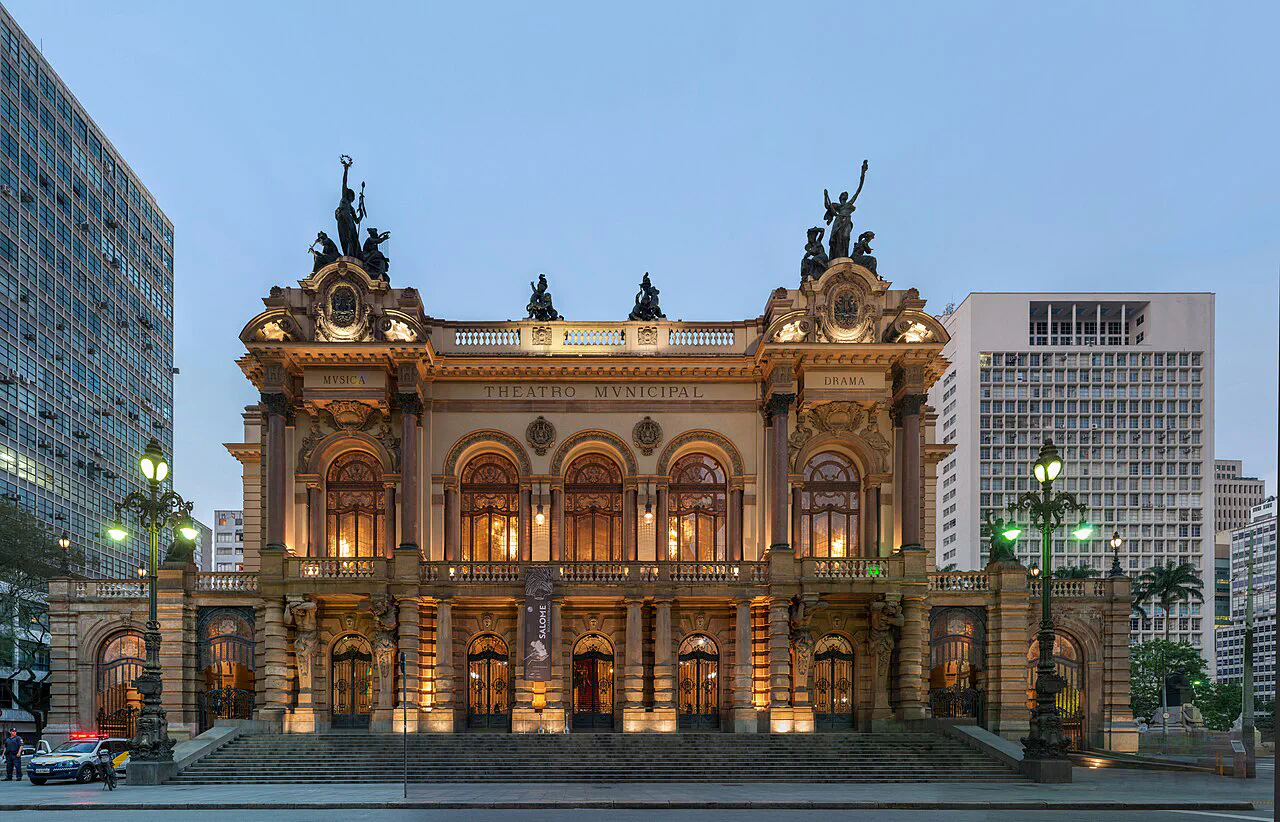
Stand here. The Theatro Municipal, opened in 1911. It is still a working theatre, home to the City Ballet and the Municipal Symphonic Orchestra.
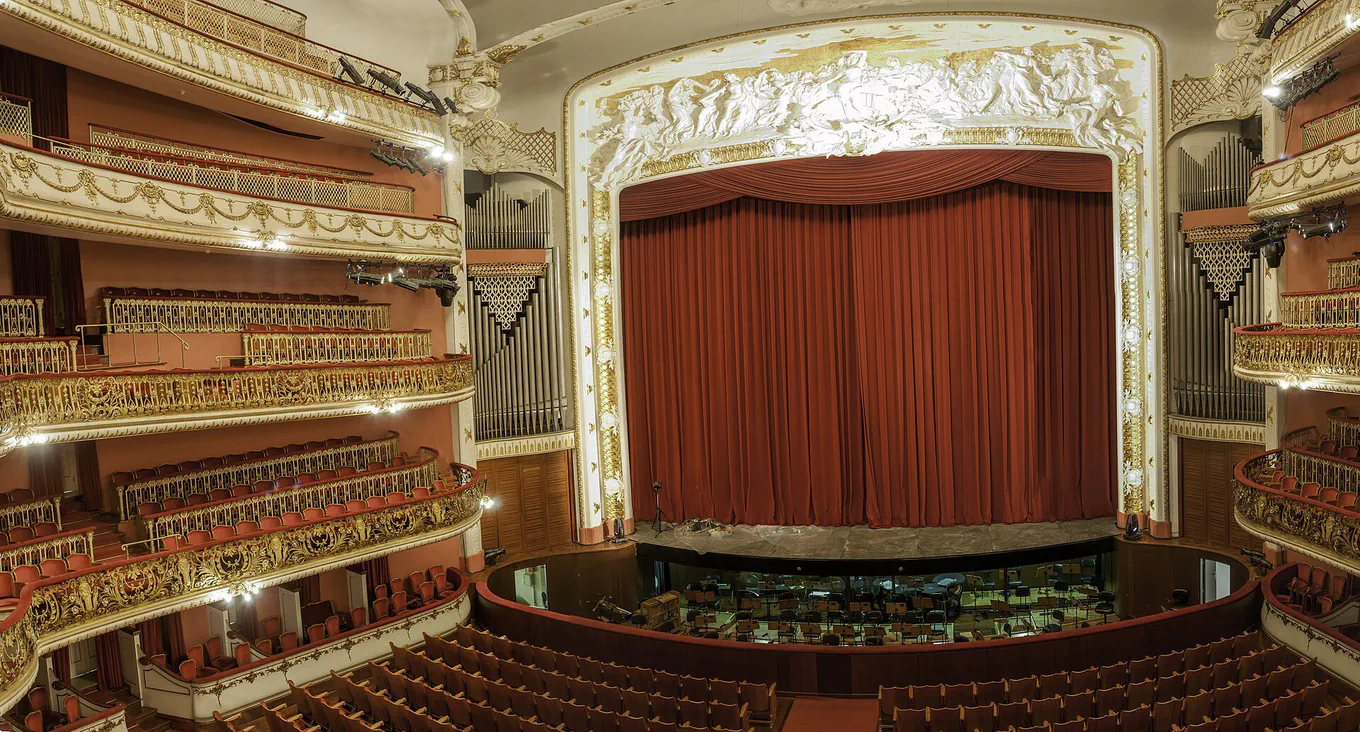
The auditorium of the Theatro Municipal in São Paulo, with its horseshoe of ornate boxes.Wilfredor / CC0.
In February 1922, this theatre hosted Modern Art Week, the event that started Brazilian modernism, with exhibitions, lectures, and concerts. Its chief organiser was the poet Mário de Andrade. The audience booed the artists and pelted them. They mocked the composer Heitor Villa-Lobos, who had to wear one carpet slipper because of a foot infection. For the climax, Andrade read from his book of poems, Hallucinated City, through jeers that never let up. He kept reading. Later he learned that much of that jeering crowd had found it transformative.
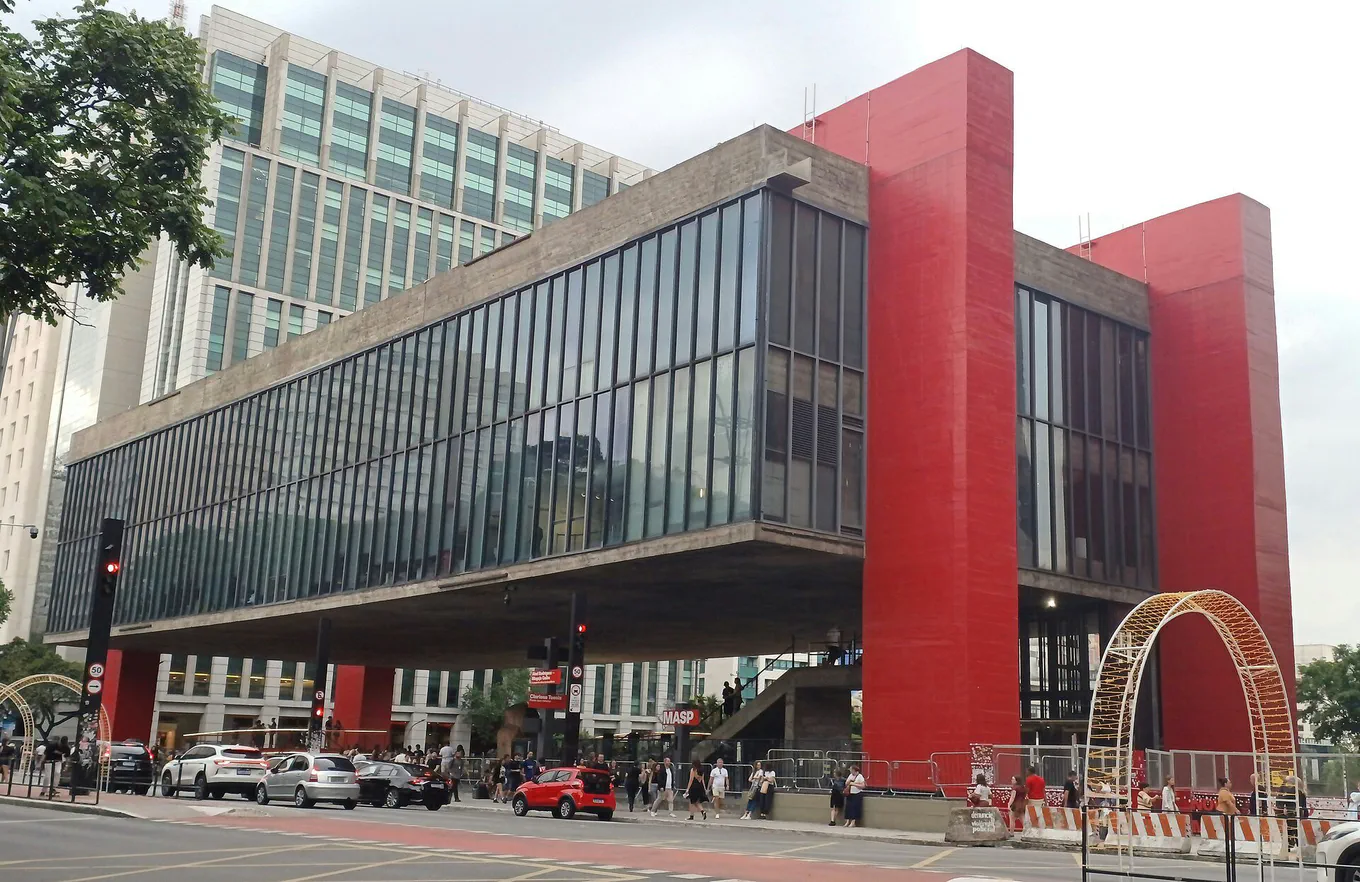
4 Lina Bo Bardi lifts MASP above Avenida Paulista
Stand here. MASP, at Avenida Paulista 1578. The museum still rests on its red columns.
Queen Elizabeth II opened the new home of MASP, São Paulo’s art museum, in 1968, and it is held up in the air. The city had given the museum a site on Avenida Paulista, but the view across it, to downtown and the Nove de Julho valley, had to stay open. Accounts differ on who set that condition. The architect, Lina Bo Bardi, born in Rome, met it by raising the whole museum on four red concrete columns. Beneath it she left 74 metres of open ground, and kept the view.
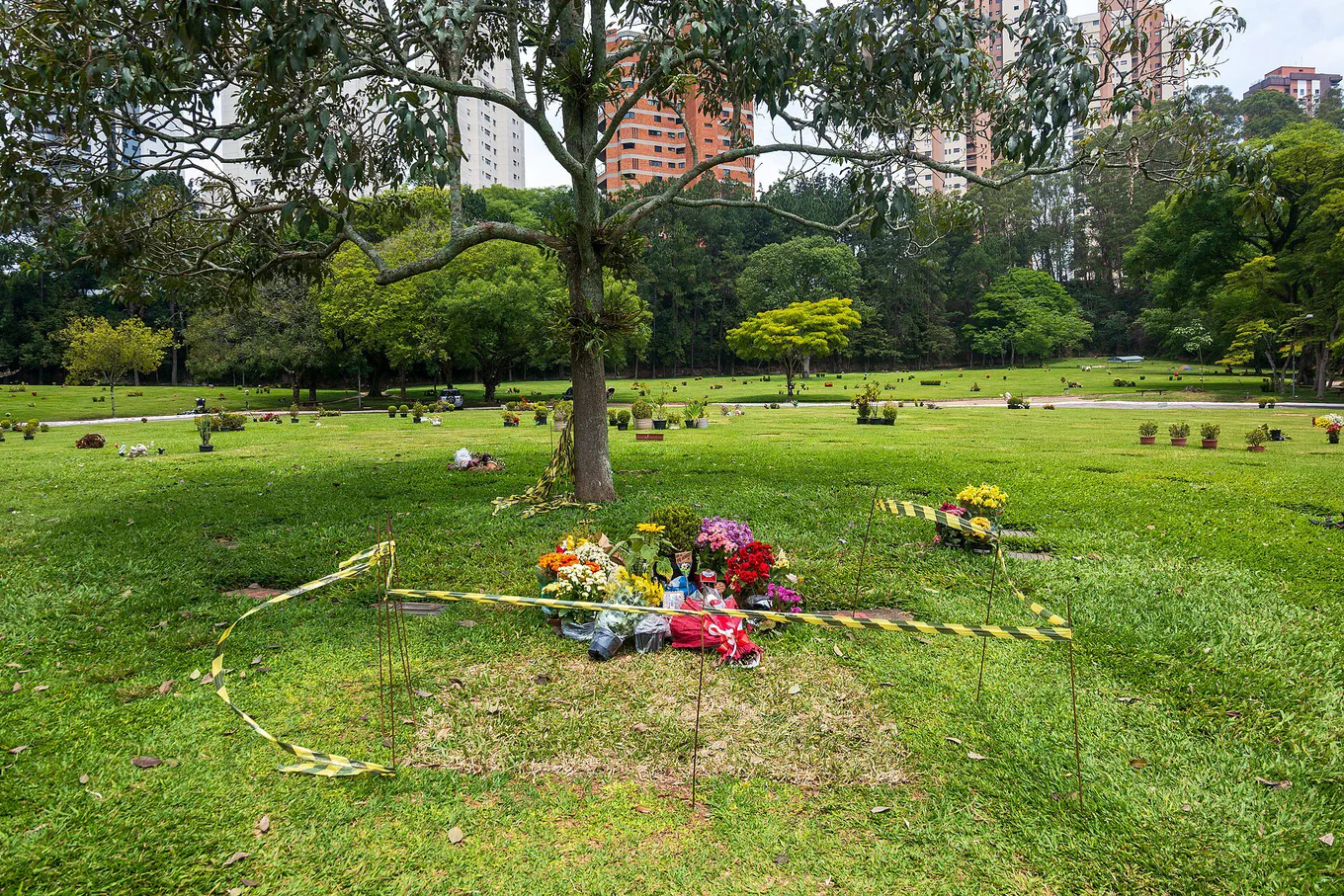
5 Ayrton Senna’s last race and his grave at Morumbi
Stand here. Morumbi Cemetery, in the affluent neighbourhood of Morumbi. Senna’s grave is marked “Nada pode me separar do amor de Deus”.
Ayrton Senna, São Paulo-born and three times Formula One champion, raced at Imola in 1994. The day before, the Austrian Roland Ratzenberger had died in qualifying. Senna was told he needn’t race, and said he couldn’t stop. He put a furled Austrian flag in his cockpit. It’s thought he meant to raise it for Ratzenberger if he won. Leading on lap 7, he crashed at Tamburello and was killed. About three million people came to his funeral. His grave reads, “Nothing can separate me from the love of God.”
Pack nothing. Leave Friday.
Every Friday, I write a free letter, Journey, that takes us on a trip through places, stories, and ideas.
Child of the Dark(Carolina Maria de Jesus, 1960). A memoir, by a writer who spent much of her life in the Canindé favela, in North São Paulo.
Hallucinated City(Mário de Andrade, 1922). Poems. The book Andrade read from, through the jeers, at the Theatro Municipal during Modern Art Week.
Eles eram muitos cavalos(Luiz Ruffato, 2001). A postmodernist novel set over a single day in São Paulo, 9 May 2000, in scenes involving many characters.
Films to watch before you visit São Paulo
The Red Light Bandit(Rogério Sganzerla, 1968). A film. Its bandit spends the profits of his crimes extravagantly in the decadent Boca do Lixo district.
Carandiru(Héctor Babenco, 2003). A film, shot inside the closed Carandiru Penitentiary months before the prison was demolished in 2002.
Senna(Asif Kapadia, 2010). A documentary. The life and death of the São Paulo-born driver, who lies in Morumbi Cemetery.
The Second Mother(Anna Muylaert, 2015). A film. Its house was a mansion in Morumbi, an affluent São Paulo neighbourhood.
Questions
Where is Ayrton Senna buried?
In Morumbi Cemetery, in the affluent São Paulo neighbourhood of Morumbi. His grave bears the epitaph “Nada pode me separar do amor de Deus”, which means “Nothing can separate me from the love of God”. Senna was born in the city, in the neighbourhood of Santana, in 1960.
Why is MASP raised on columns?
So that the view across its site on Avenida Paulista, to downtown and the Nove de Julho valley, would stay open. Lina Bo Bardi raised the whole museum on four red concrete columns and left 74 metres of open ground beneath it. MASP is at Avenida Paulista 1578.
When was São Paulo founded?
On 25 January 1554, when a college of twelve Jesuit priests, among them Manuel da Nóbrega and José de Anchieta, founded the Colégio de São Paulo de Piratininga to teach the Christian faith to the indigenous peoples. They built their mission on a steep hill between the Anhangabaú and Tamanduateí rivers.