Sapporo is the capital of Hokkaido, in Japan, and lies on the Toyohira River. It began in 1869 as the headquarters of the Hokkaido Development Commission, laid out on a grid around Odori Park, and in 1972 it hosted the first Winter Olympics in Asia. Its stories are a professor’s parting shout, a ski jumper’s gold, a beer that needed ice, and a skater who fell and won Japan over.
1 William Clark’s “Boys, be ambitious!” and the Hitsujigaoka statue
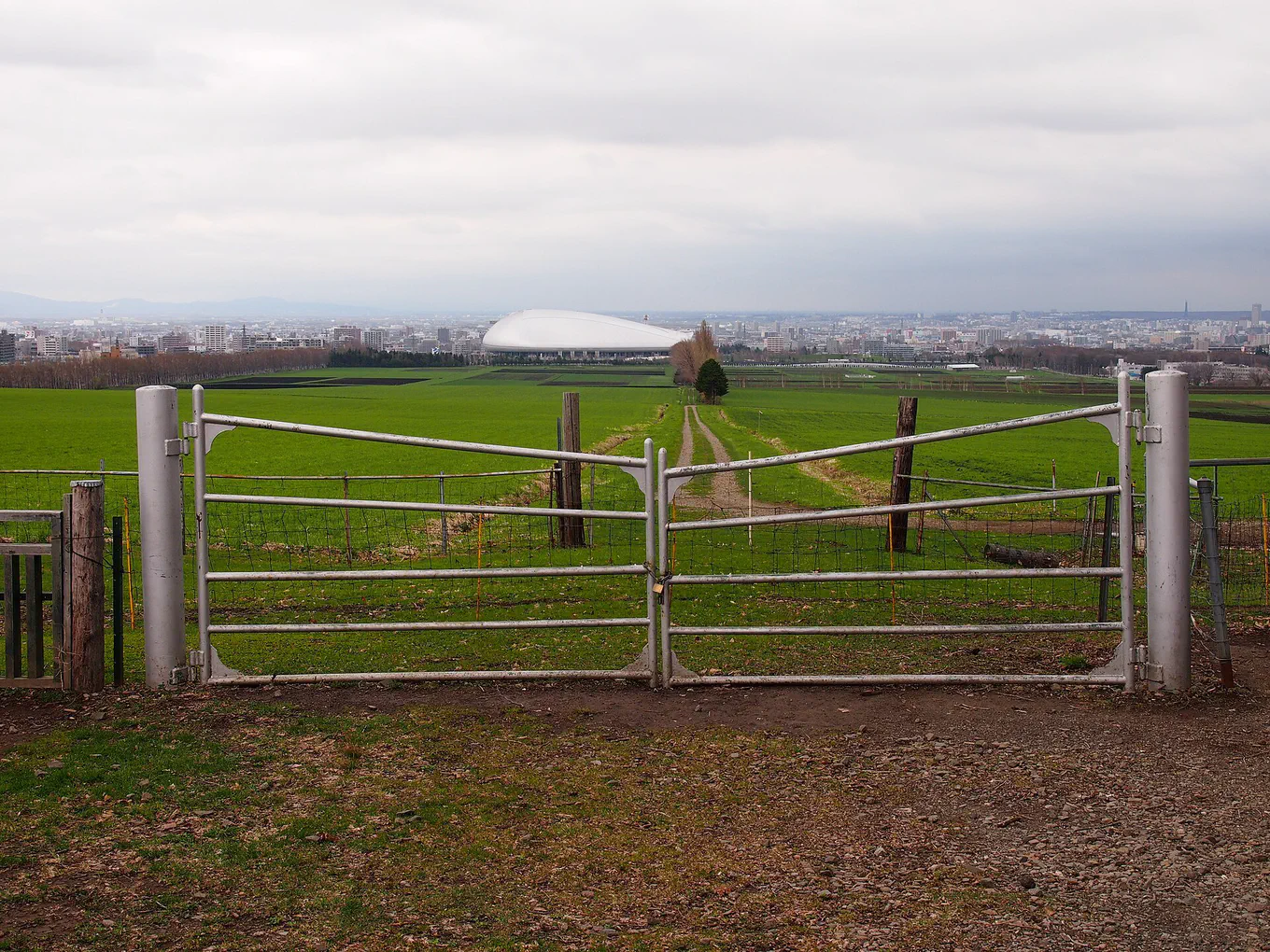
Stand here. Hitsujigaoka Observation Hill, in Toyohira-ku. A bronze statue of Clark, put up in 1976, stands on the hill, with a view across the Ishikari plain.
“Boys, be ambitious!” is credited to William Clark, an American professor hired in 1876 to set up the college that became Hokkaido University. He stayed only eight months. On 16 April 1877, students rode with him out of the city, and as one of them recalled, Clark shouted the words from horseback as he left. But the university’s own library doubts the students could hear him, and the first known printing came in 1894. The shout they may never have heard is on the pedestal of his statue.
2 Yukio Kasaya’s gold on the Miyanomori ski jump
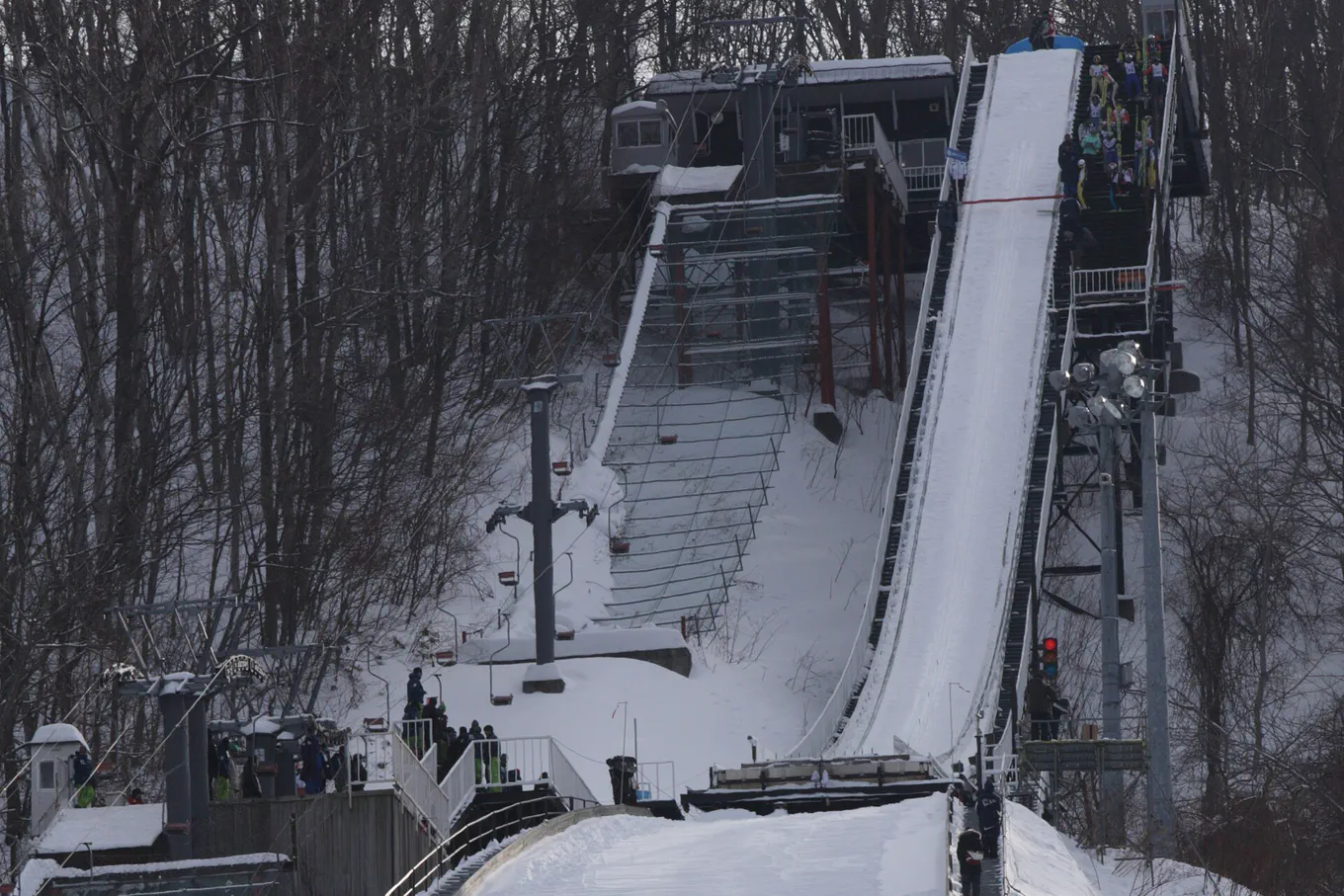
Stand here. Miyanomori Ski Jump Stadium, in Chūō-ku. Built in 1969 for the Games, it was later refurbished and has since held World Cup jumping.
On 6 February 1972, the Sapporo Winter Olympics held their normal-hill ski jump at Miyanomori, and Yukio Kasaya arrived having won the first three events of that season’s Four Hills Tournament. Yet Japan had never won a Winter Olympic gold, nor any medal in ski jumping. Kasaya won again. Two other Japanese jumpers took silver and bronze, and all three medals went to Japan. Japan’s first Winter Olympic gold medallist died in Sapporo in 2024, aged 80.
3 Seibei Nakagawa and the ice behind Sapporo beer
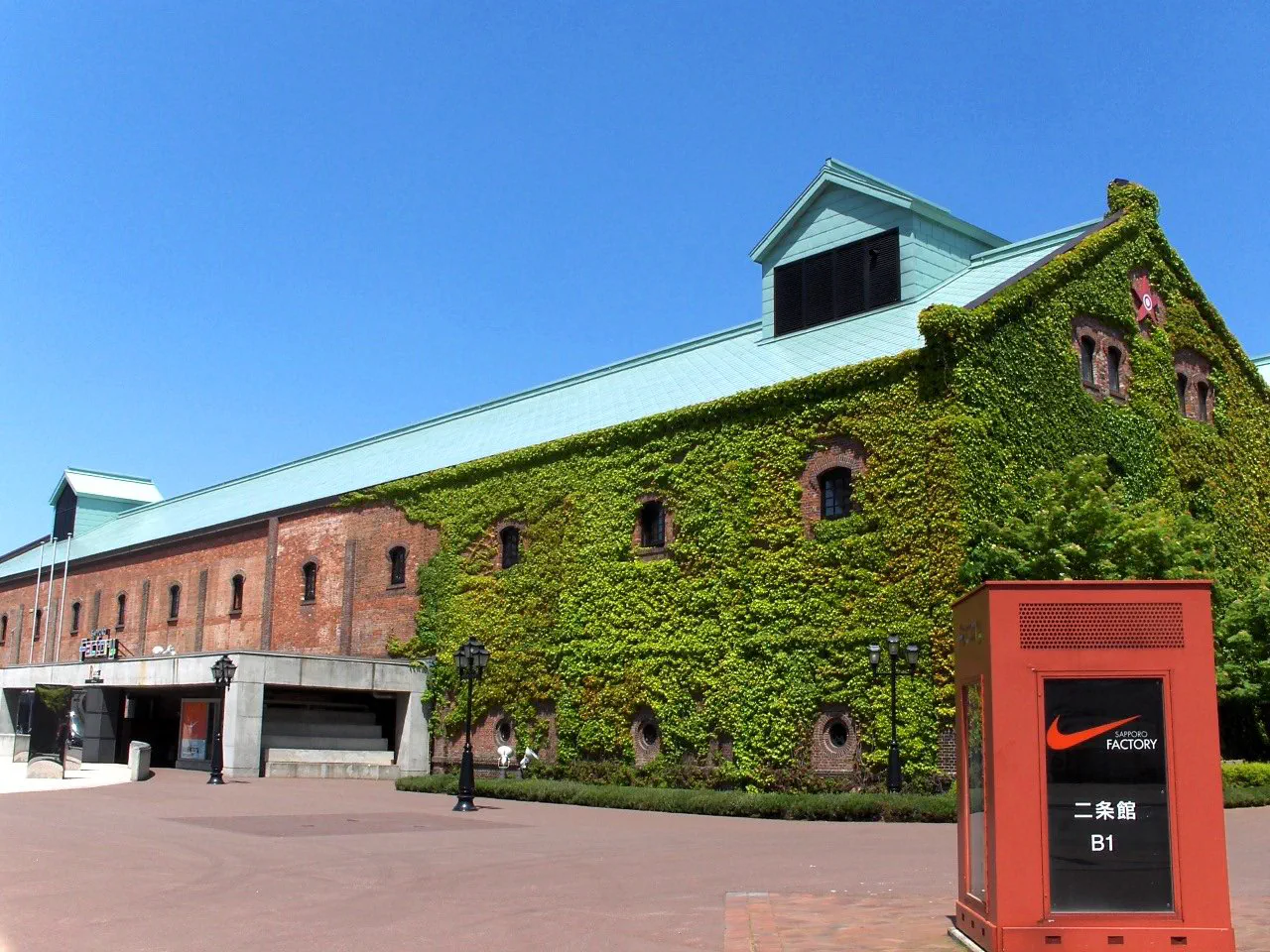
Stand here. Sapporo Factory, a shopping complex in Chūō-ku, stands on the brewery’s site. Its Renga-kan holds restaurants and a museum of the old brewery.
Sapporo, Japan’s oldest beer brand, was nearly a Tokyo beer. The Hokkaido Development Commission planned the brewery for its official garden at Aoyama, in Tokyo, with Seibei Nakagawa, who had studied brewing in Germany, as chief engineer. But Nakagawa had learned that the German method needed abundant ice. So an official, Murahashi Hisanari, petitioned the government to move the brewery to Hokkaido. It was built in Sapporo in September 1876, and Nakagawa brewed the first Sapporo Lager. Ice is why Japan’s oldest beer carries the name Sapporo.
4 Janet Lynn’s smiling fall at the Makomanai rink
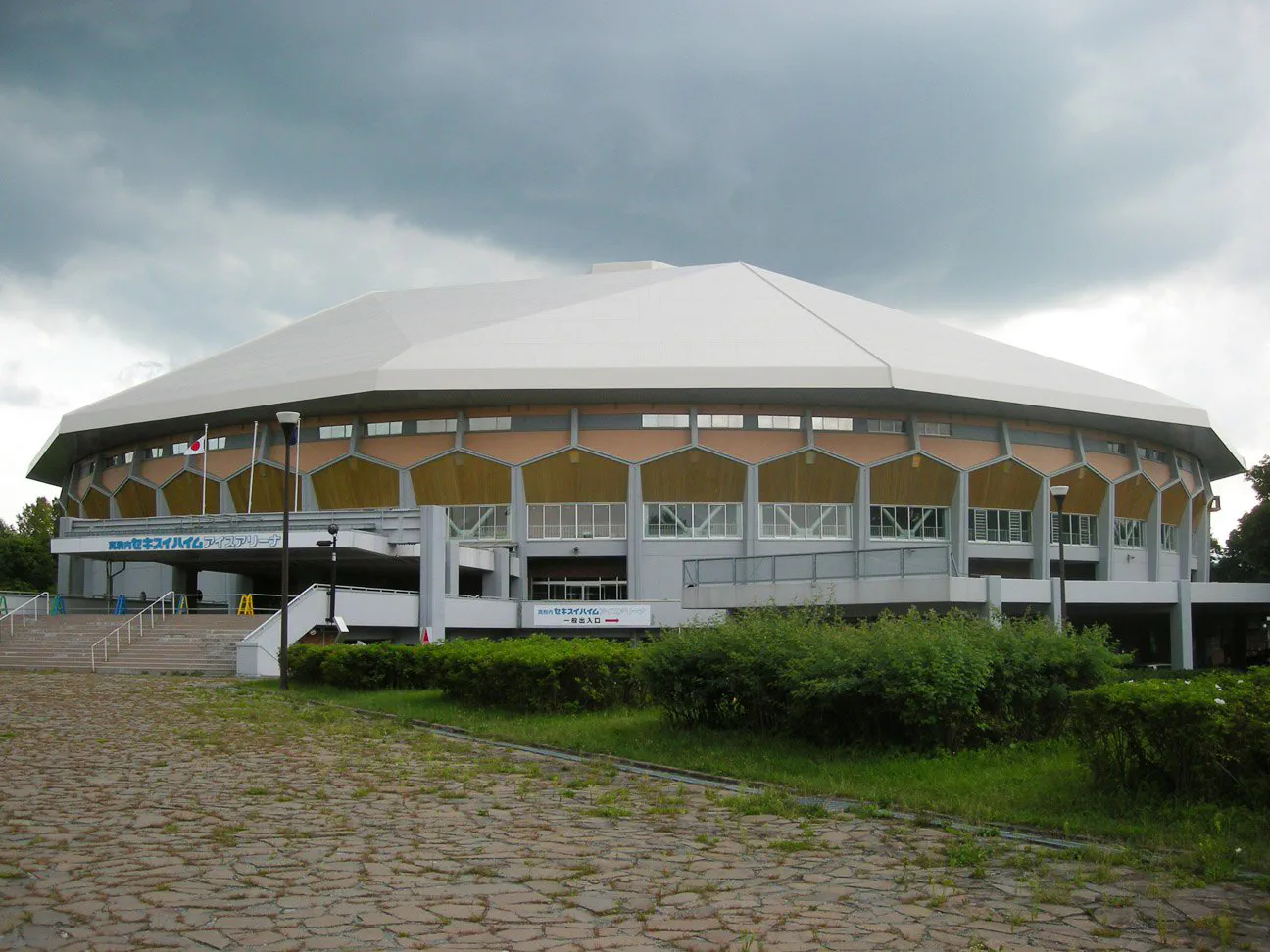
Stand here. Makomanai Ice Arena, in Minami-ku, which staged the 1972 figure skating. After the Games, it became a skating rink for the community.
Makomanai Ice Arena, the many-sided skating rink in Makomanai Park, Minami-ku, Sapporo.もんもん / Public domain.
Janet Lynn, five times the US champion, fell on a flying sit spin in her free skate at the 1972 Olympics, and got up smiling. The Japanese crowd was captivated, and she won the free skate. But the compulsory figures counted for more, and Lynn had placed fourth in them. Beatrix Schuba, only seventh in the free skate, took gold on her figures, and Lynn took bronze. Still, she won Japan. She appeared on the covers of its photo books of the Games, and later in its television commercials.
Pack nothing. Leave Friday.
Every Friday, I write a free letter, Journey, that takes us on a trip through places, stories, and ideas.
A Wild Sheep Chase(Haruki Murakami, 1982). A novel. Hunting a sheep from a photograph, a man and his girlfriend reach Sapporo’s run-down Dolphin Hotel.
Dance Dance Dance(Haruki Murakami, 1988). A novel. The narrator goes back to Sapporo and checks into the Dolphin Hotel, now transformed into the luxury l’Hôtel Dauphin.
Golden Kamuy, Vol. 26(Satoru Noda, 2022). A manga. Serial killings in Sapporo turn out to be Jack the Ripper’s work, and Sugimoto’s and Hijikata’s groups team up after tracking him to the Sapporo Brewery.
Films to watch before you visit Sapporo
The Idiot(Akira Kurosawa, 1951). The first feature film to show the Sapporo Snow Festival. Kameda and Ayako visit it and see its large snow sculptures.
Sapporo Winter Olympics(Masahiro Shinoda, 1972). A documentary of the 1972 Games, including the whole of Janet Lynn’s free skate at the Makomanai rink.
The Detective Is in the Bar(Hajime Hashimoto, 2011). A Japanese film. A private detective drinks with his driver Takada in his favourite bar in Susukino, the red-light district of Sapporo.
Questions
Where is the “Boys, be ambitious!” statue of William Clark?
On Hitsujigaoka Observation Hill, in Toyohira-ku, where a bronze statue was put up in 1976 for the centenary of Clark’s visit, with the words on its pedestal. There is also a bust of Clark on the Hokkaido University campus, first placed in 1926 and rebuilt in 1947 after the original was melted down in the Second World War.
Where was Sapporo beer first brewed?
At the Hokkaido Development Commission’s brewery, built in Chūō-ku in 1876. Brewing moved to Eniwa in 1993, and the building became Sapporo Factory, a complex of shops, offices, and cinemas whose Renga-kan holds a museum of the brewery. The Sapporo Beer Museum in Higashi-ku is a different building, put up in 1890 as a sugar factory.
What does the name Sapporo mean?
It comes from the Ainu words sat poro pet, which can be translated as “dry, great river”. The city lies on the Toyohira River, and it began in 1869 as the headquarters of the Hokkaido Development Commission, laid out on a grid around Odori Park, which divides it into north and south.