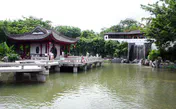
Indiana Jones and the Temple of Doom opens here. Not a great movie, and probably not shot anywhere near Shanghai. But I did love Ke Huy Quan’s Short Round. My distant memory is they were filming child actors with Harrison Ford and seeing what the chemistry was like. You can see how great it was in the movie.
— Nick
A treaty port from 1842, opened by the treaty ending the First Opium War, Shanghai stands on the Yangtze’s southern estuary, on China’s east coast. The International Settlement and French Concession followed. A playwright with flu opens proceedings, before a boy in a wartime camp, a police raid on the Communist Party’s first congress, a writer who married a man branded a traitor and a diplomat’s visas.
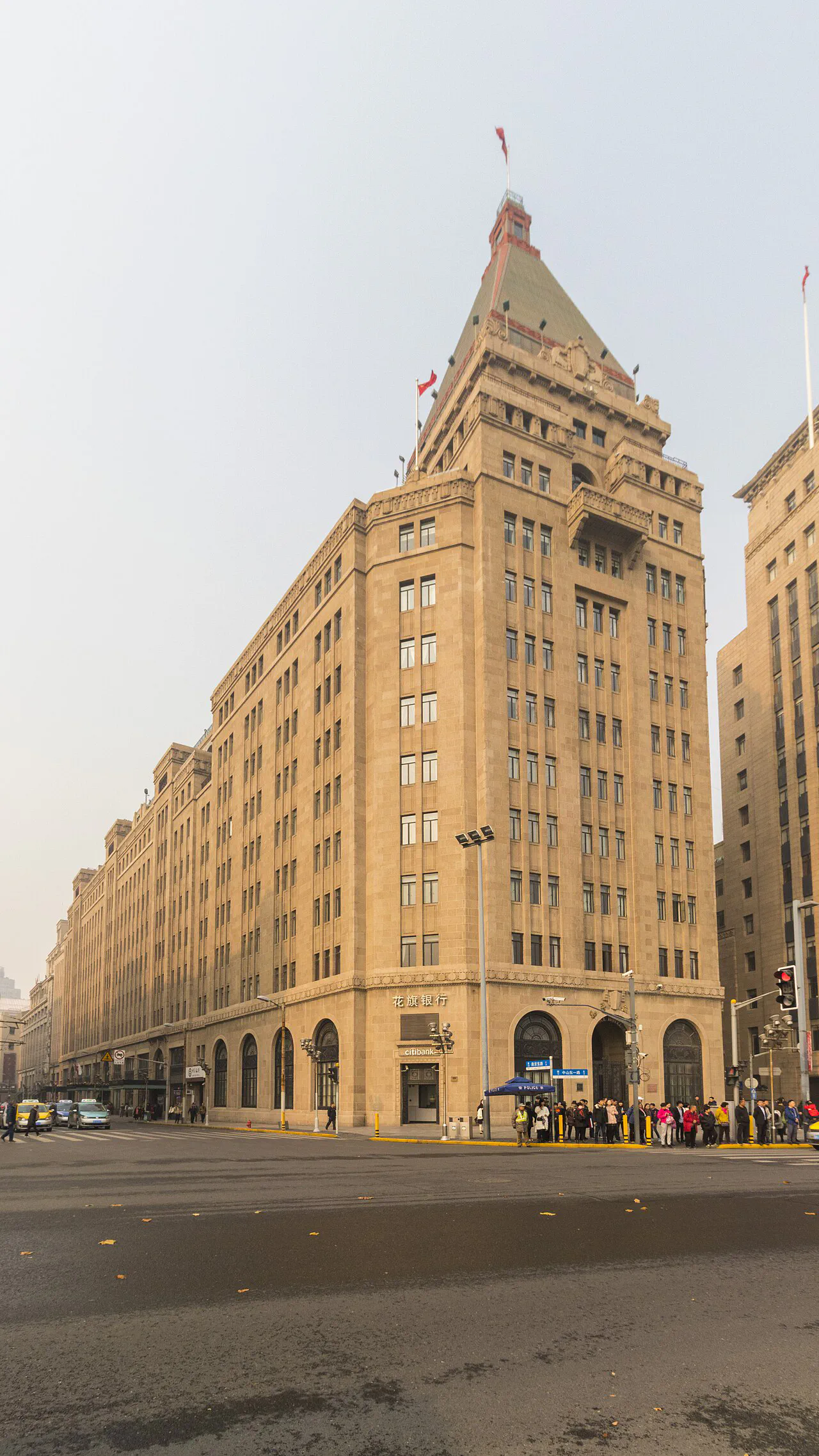
Noël Coward’s Private Lives, about a couple who find themselves sharing a hotel terrace on their honeymoons with new spouses, was written in Shanghai. In 1930, Coward was in the middle of a long tour of Asia when influenza stopped him here. He spent most of his fortnight’s recovery sketching out the play, and typed the final draft at the Cathay Hotel. He cabled Gertrude Lawrence in New York, asking her to keep the autumn free to appear in it. That September, it opened a new London theatre.
2 J. G. Ballard’s boyhood in the Lunghua camp
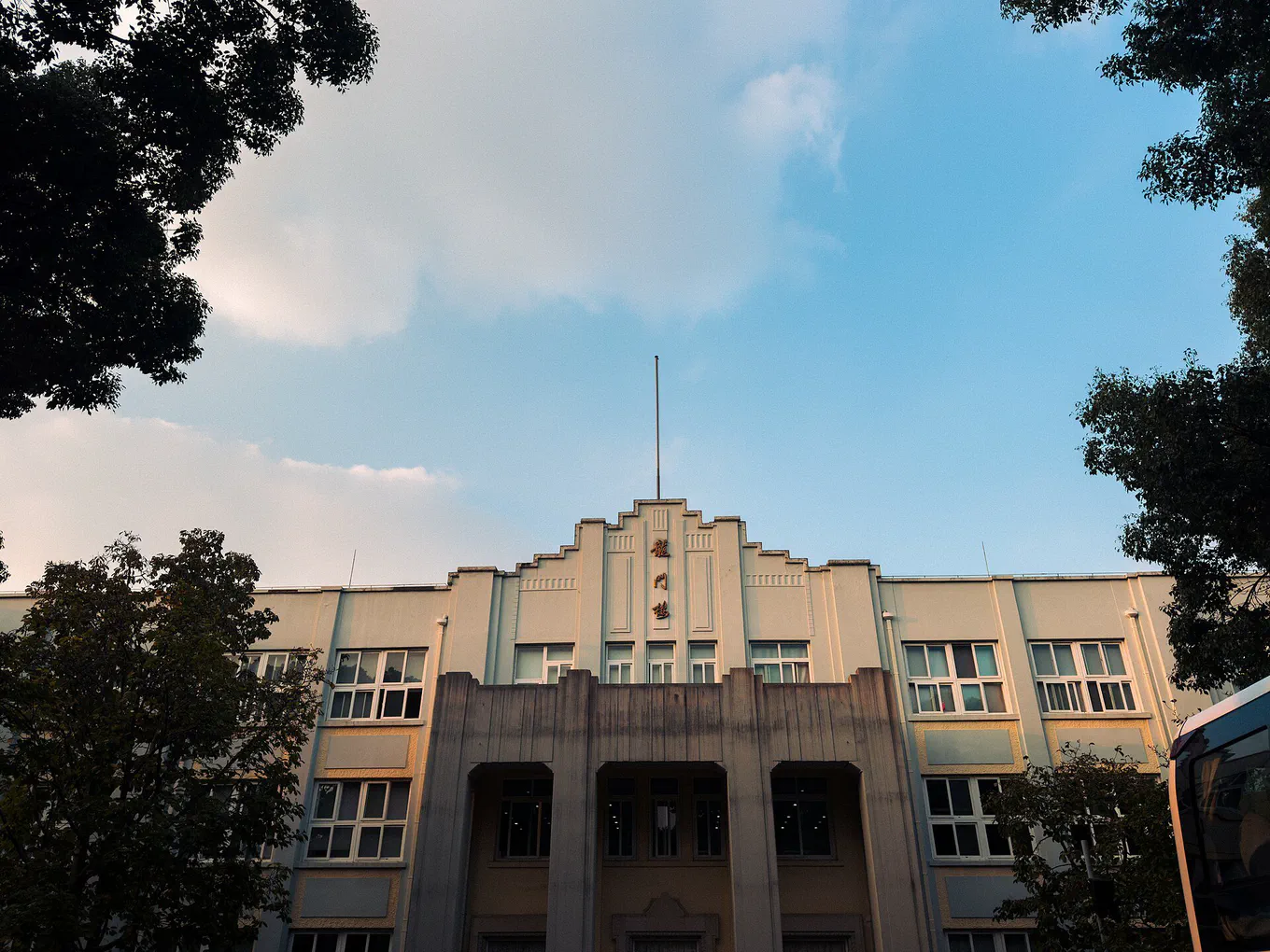
Stand here. Shanghai High School stands on the camp’s site. G Block, the Ballards’ home, was demolished in 2009.
Empire of the Sun, J. G. Ballard’s novel, filmed by Steven Spielberg with Christian Bale, sends a boy called Jim into Lunghua internment camp, separated from his parents. Ballard grew up in Shanghai’s International Settlement, and his family was sent to Lunghua in early 1943. But he was not there by himself. His mother, his father, and his little sister were in G Block with him. On the page, he sent Jim in alone.
3 The raid on the Communist Party’s first congress in Xintiandi
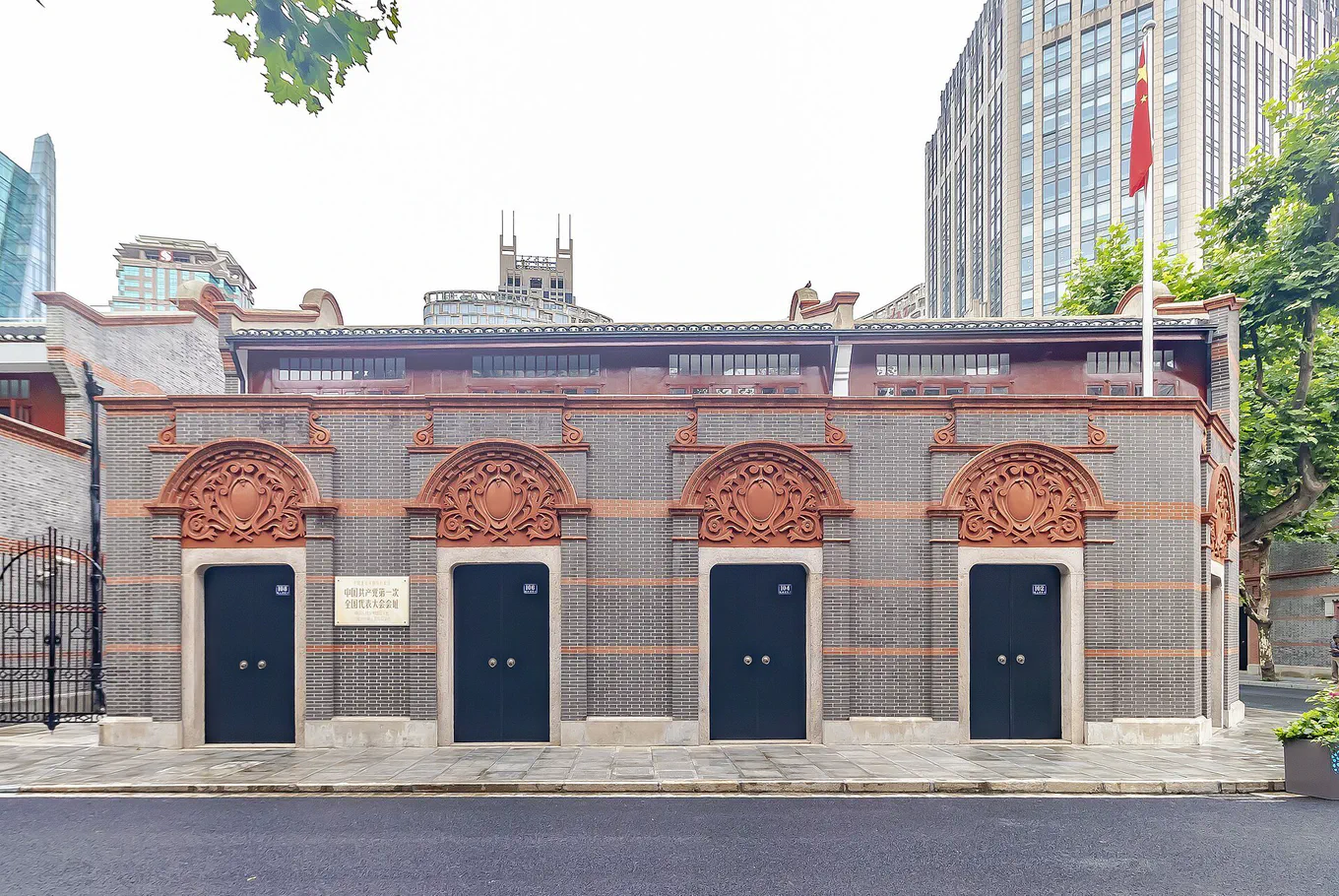
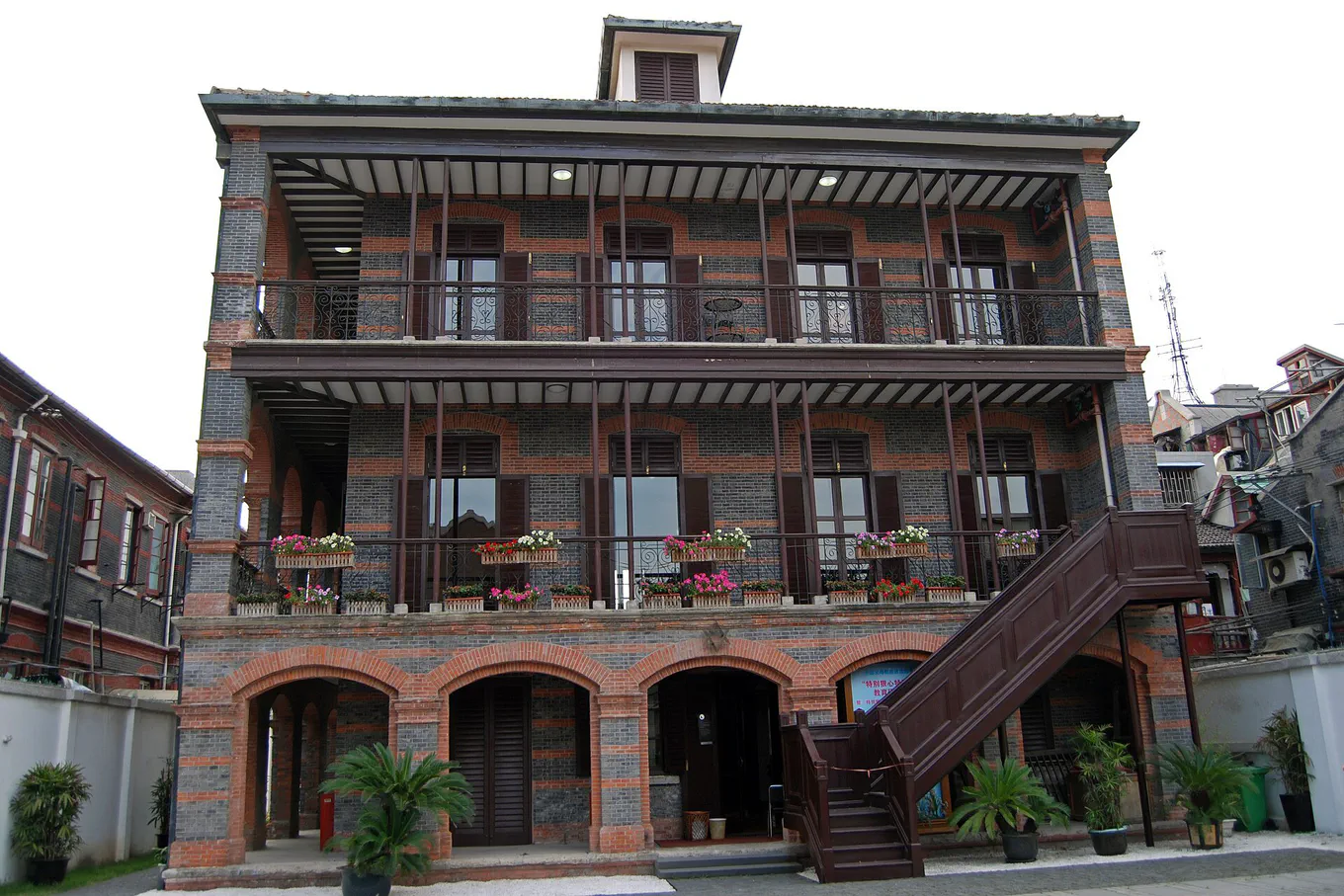
Stand here. 76 Xingye Road, Xintiandi, a shikumen (stone-gate) terraced house. It has been a museum since 1961, with a new memorial beside it.
Mao Zedong was one of 13 Chinese delegates who met in this house, then in the French Concession, in July 1921, at the congress that founded the Chinese Communist Party. Wang Huiwu, a women’s organiser, worked as a guard. On the night of 30 July, French Concession police searched the house, and the Shanghai sessions were over. Wang, born in Jiaxing, suggested moving the meeting there and helped arrange it. So the party’s first congress ended on a rented tourist boat on South Lake.
4 Eileen Chang and Hu Lancheng at Changde Apartment
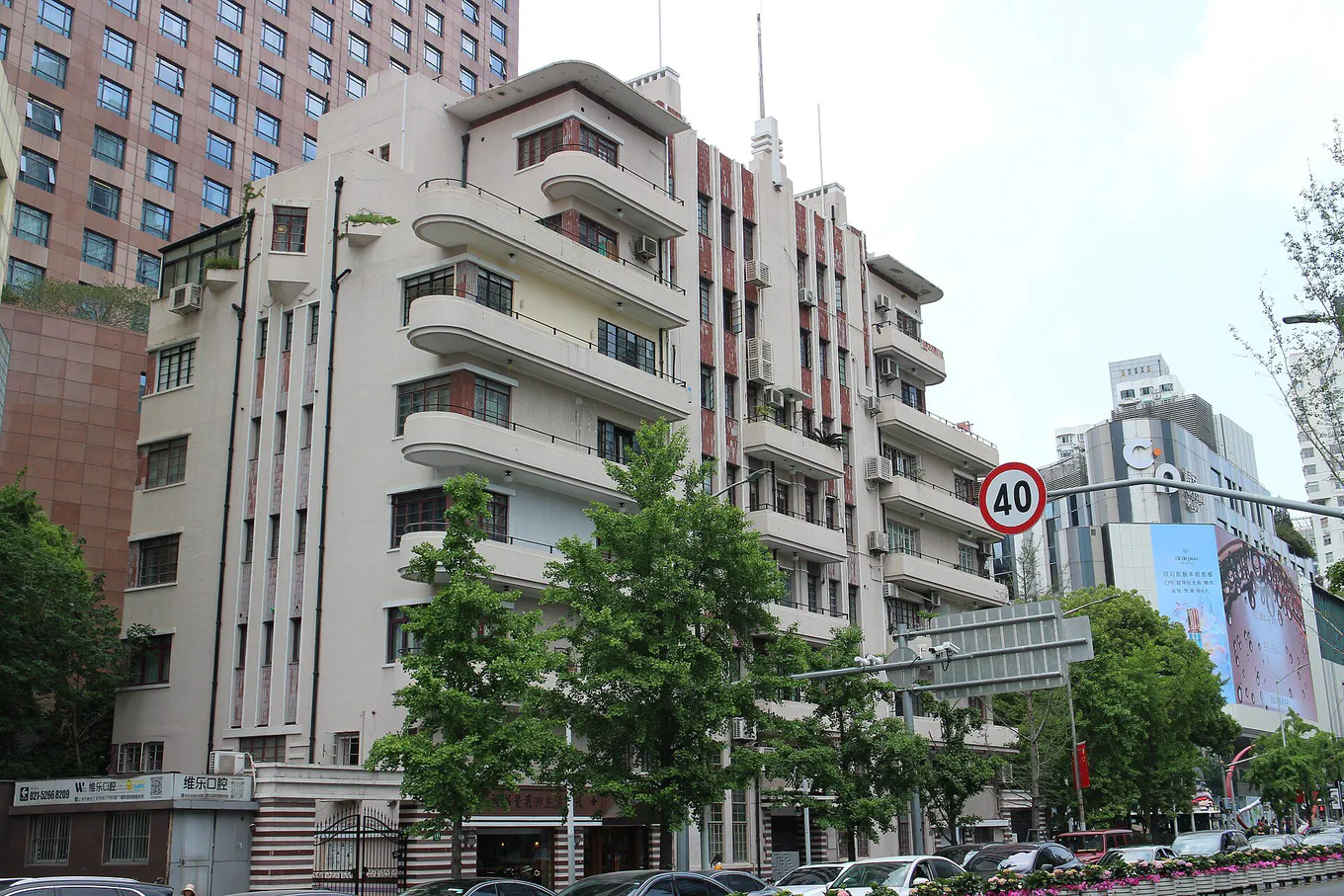
Stand here. Changde Apartment, 195 Changde Road, Jing’an. In 1994, the block was named one of Shanghai’s outstanding historical buildings, and it has an Eileen Chang bookshop on the ground floor.
Changde Apartment on Changde Road, Jing’an, the art deco block where Eileen Chang lived.Suicasmo / CC0.
Eileen Chang wrote the novella behind Lust, Caution, Ang Lee’s film of a plot to kill a collaborator in Japanese-occupied Shanghai. In those years, she became the city’s most popular new writer, and in these flats she met Hu Lancheng, fourteen years older. They married the next year. Hu was branded a traitor for collaborating with the Japanese, but Chang stayed loyal. Then he seduced a 17-year-old nurse, who moved in with him, and they divorced. In 1952, her Shanghai career over, she left for Hong Kong.
5 Ho Feng-Shan’s visas and the refugees of Hongkou
Stand here. The Ohel Moshe Synagogue, 62 Changyang Road, Hongkou. The 1927 building is now the Shanghai Jewish Refugees Museum.
In 1938, Ho Feng-Shan, China’s Consul-General in Vienna, began issuing Jews visas to Shanghai, against his superior’s orders. Shanghai needed no visa to enter. But the paper let a Jew leave Austria. Ho signed his 1,906th by late October, and no one knows the final number. More than 18,000 Jews reached Shanghai, and about 18,000 were forced into two square kilometres of Hongkou. What Ho did in Vienna went unnoticed in his lifetime, and he lived to 96.
Pack nothing. Leave Friday.
Every Friday, I write a free letter, Journey, that takes us on a trip through places, stories, and ideas.
Empire of the Sun(J. G. Ballard, 1984). A novel. A boy called Jim, separated from his parents in occupied Shanghai, tries again and again to get himself interned at Lunghua.
Man’s Fate(André Malraux, 1933). A novel. Its characters include Ferral, a power-hungry and eminent businessman of the French Concession.
When We Were Orphans(Kazuo Ishiguro, 2000). A novel. Its English narrator grows up in the International Settlement in the early 1900s, playing with Akira, the Japanese boy next door.
Films to watch before you visit Shanghai
Empire of the Sun(Steven Spielberg, 1987). A film. Christian Bale as Jim, a privileged British schoolboy in the International Settlement. The first American film shot in Shanghai since the 1940s.
Lust, Caution(Ang Lee, 2007). A film. A wartime spy story, from Eileen Chang’s novella, in which Chinese students plot to lure an official in Japanese-occupied Shanghai into a honey trap.
Suzhou River(Lou Ye, 2000). A film. A tragic love story set in contemporary Shanghai, among the factories and abandoned warehouses along the Suzhou River rather than the city’s glitzy new face.
Questions
Where did Noël Coward write Private Lives?
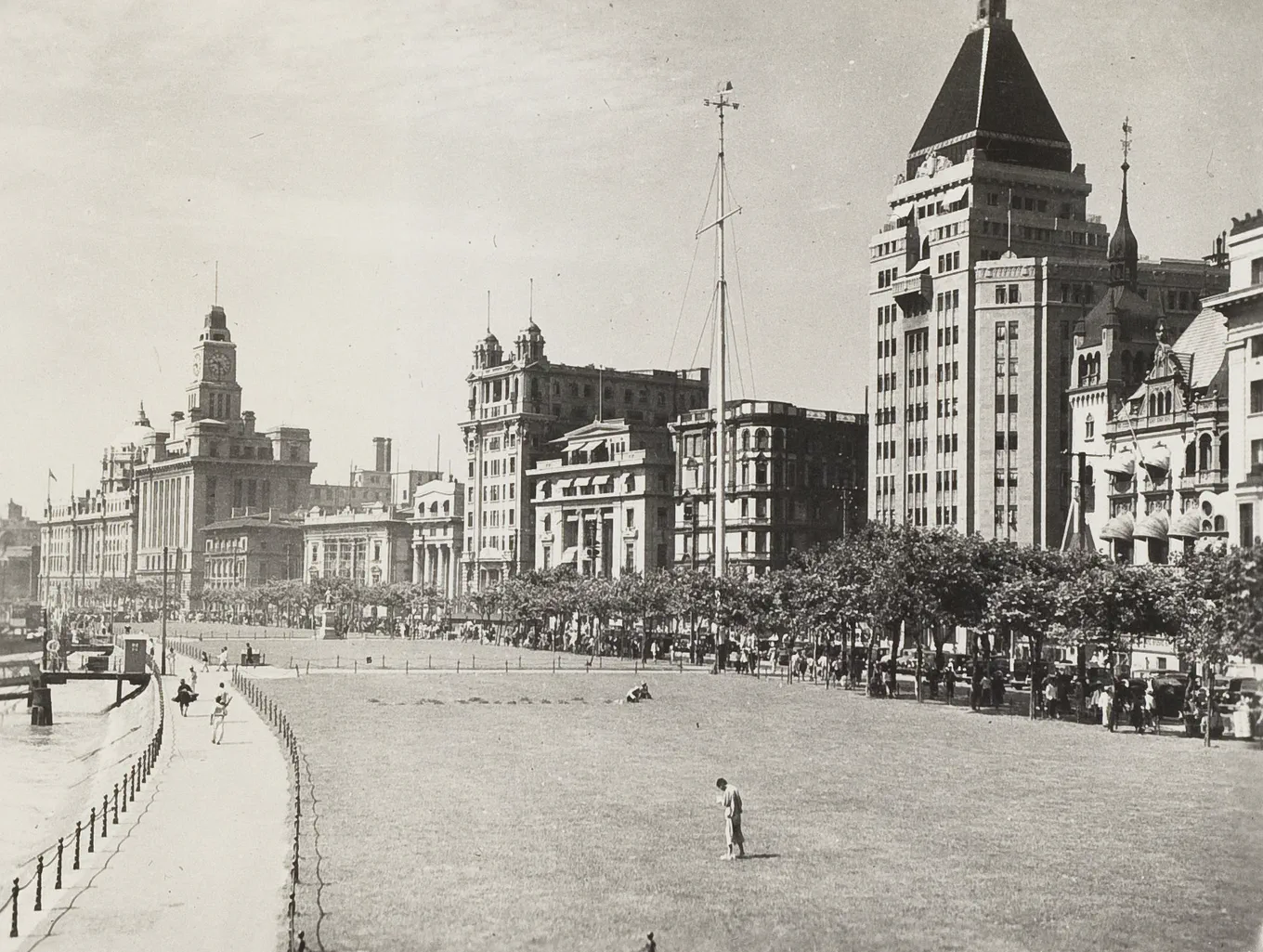
In Shanghai, in 1930. Coward caught influenza in the city during a tour of Asia, sketched the play while he recovered, and typed the final draft at the Cathay Hotel on the Bund. China Daily says he convalesced in Room 314. The hotel’s North Building is now the Fairmont Peace Hotel.
Is the Lunghua camp from Empire of the Sun still there?
Not as it was. The Lunghua Civilian Assembly Centre, where J. G. Ballard was interned with his family from early 1943, is now the site of Shanghai High School. Buildings A, B and C are gone, and G Block, where the Ballards lived, was demolished in 2009.
What is the Bund in Shanghai?
It is a waterfront district that runs about 1.6 kilometres along the west bank of the Huangpu River, in central Shanghai, and it is now protected as a historical district. From the 1860s to the 1930s, it was the rich and powerful centre of the city’s foreign establishment.