I’ve driven past Sheffield numerous times, but never had a reason to stop. In my head, it’s synonymous with steel production… and the subsequent loss of British manufacturing (as portrayed to comic effect in The Full Monty). I’m glad to see that Sheffield has other stories.
— Nick
Sheffield is a city in South Yorkshire, England. Named after the River Sheaf, it grew on steel and cutlery in the 18th and 19th centuries and was dubbed the Steel City. Its stories here are a snooker final won after midnight, a captive queen and her worn-out keeper, a nuclear film cast in the City Hall, and a steel that wouldn’t stain.
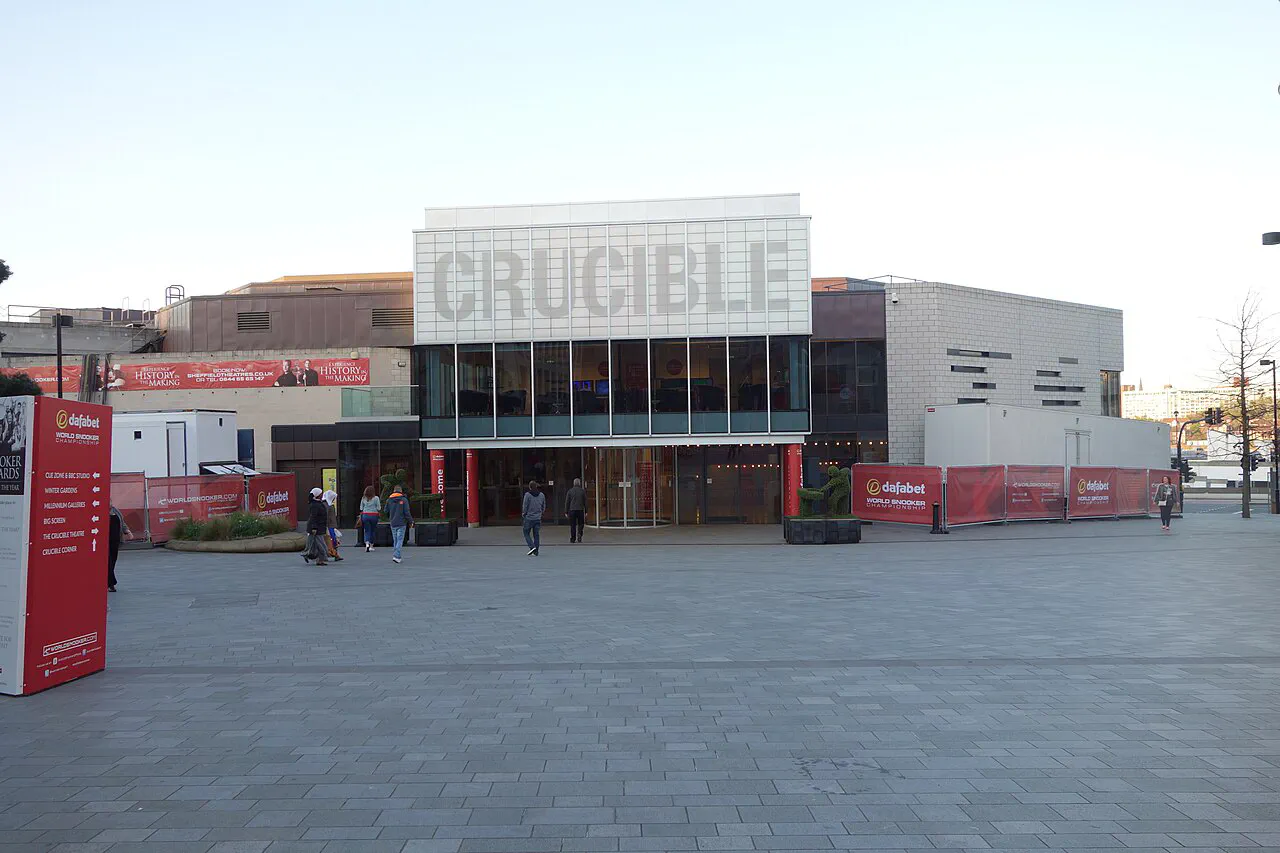
Stand here. The Crucible Theatre, 55 Norfolk Street. Still a working theatre, it has hosted the World Snooker Championship every year since 1977.
The snooker arena inside the Crucible Theatre in Sheffield, set up for the World Snooker Championship.BennyOnTheLoose / CC0.
The most-watched programme in BBC2’s history ended after midnight in April 1985, with Dennis Taylor and Steve Davis fighting over one black ball. Taylor’s mother had died at the start of the season, and his family and friends persuaded him to play again. He lost the first eight frames to Davis, the world number one, and clawed back to 17–17. On the last black, Taylor missed three times and Davis missed once. At 12:23 a.m., Taylor potted it, raised his cue, and kissed the trophy he dedicated to her.
2 Mary, Queen of Scots, and her Sheffield gaoler
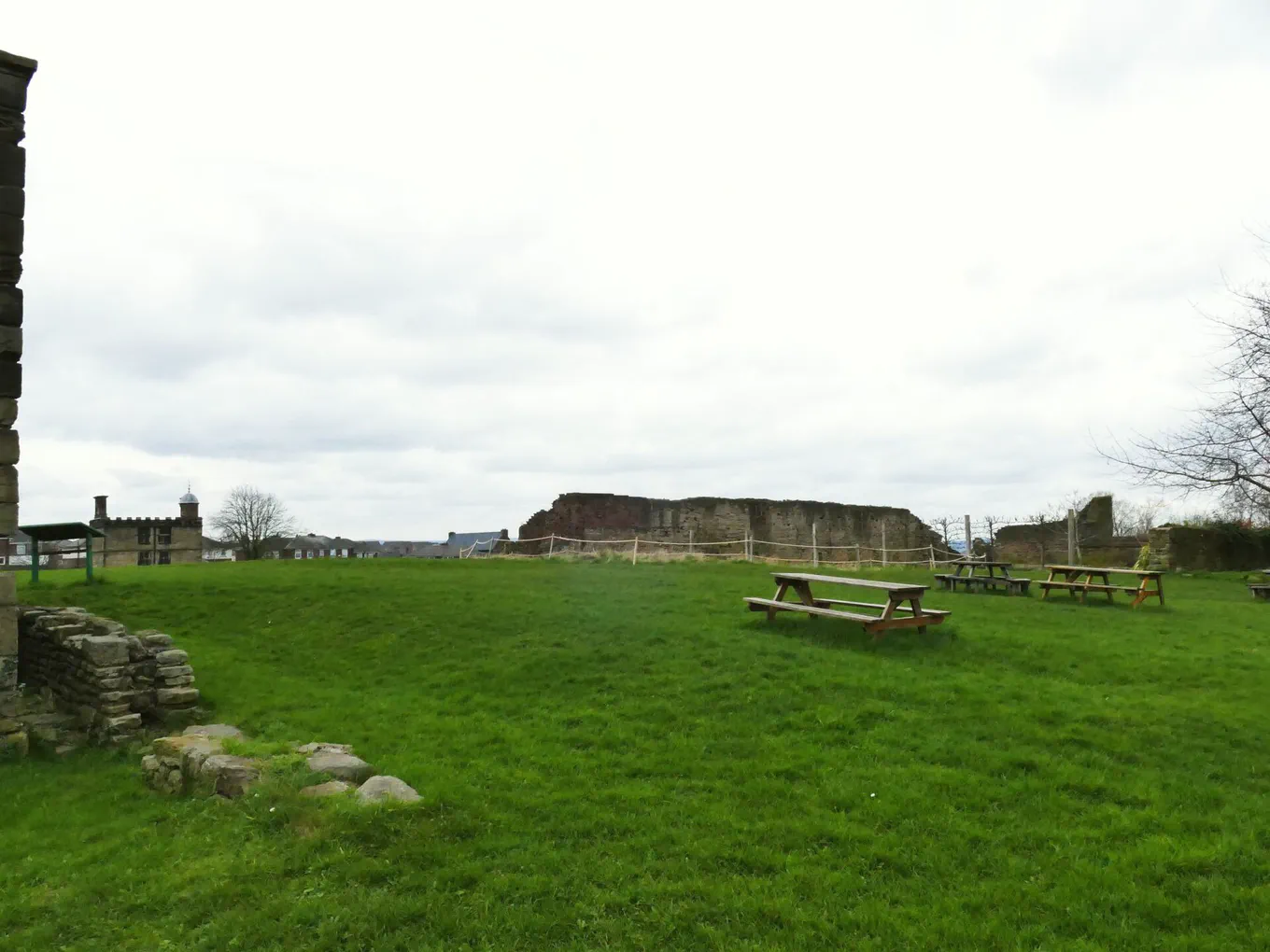
Stand here. Sheffield Manor Lodge, south-east of the city centre. Its ruins stand beside the Turret House, called Queen Mary’s Tower.
Elizabeth I gave Mary, Queen of Scots, into the keeping of George Talbot, Earl of Shrewsbury, in 1569, and made him pay for it. He held her at Sheffield Castle and Manor Lodge, and for over fifteen years Elizabeth wouldn’t let him resign. His wife, Bess of Hardwick, embroidered with Mary, then spread a rumour, never proved and later withdrawn, that Talbot and Mary were lovers. The marriage broke, and so did his health. Less than three years after his release, he was an official witness at Mary’s execution.
3 Threads, the film that dropped the bomb on Sheffield
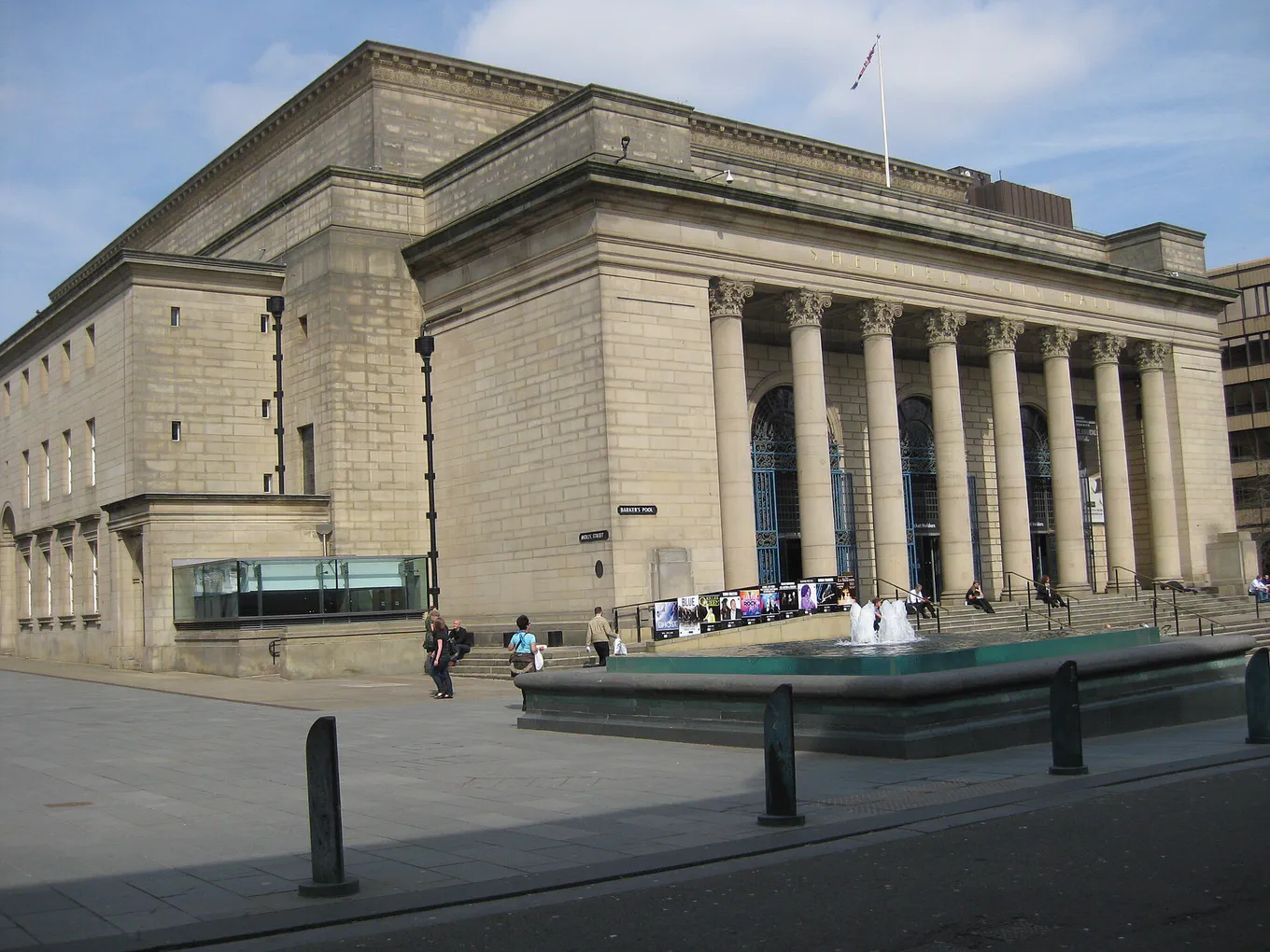
Stand here. Sheffield City Hall, which still stands. Its ballroom held the auditions for Threads.
For Threads, a 1984 film of nuclear war first shown on BBC2, Sheffield was chosen partly for the city’s nuclear-free zone policy. In the story, Ruth and Jimmy, expecting a baby, are planning their wedding while a superpower crisis grows. Then a one-megaton bomb goes off over Sheffield. For extras, 1,100 people turned up to auditions in the City Hall ballroom. Those chosen were told to look miserable and wear ragged clothes, and the burns were Rice Krispies and ketchup. Most were CND supporters, playing victims of the bomb they opposed.
4 Harry Brearley and the steel that wouldn’t stain
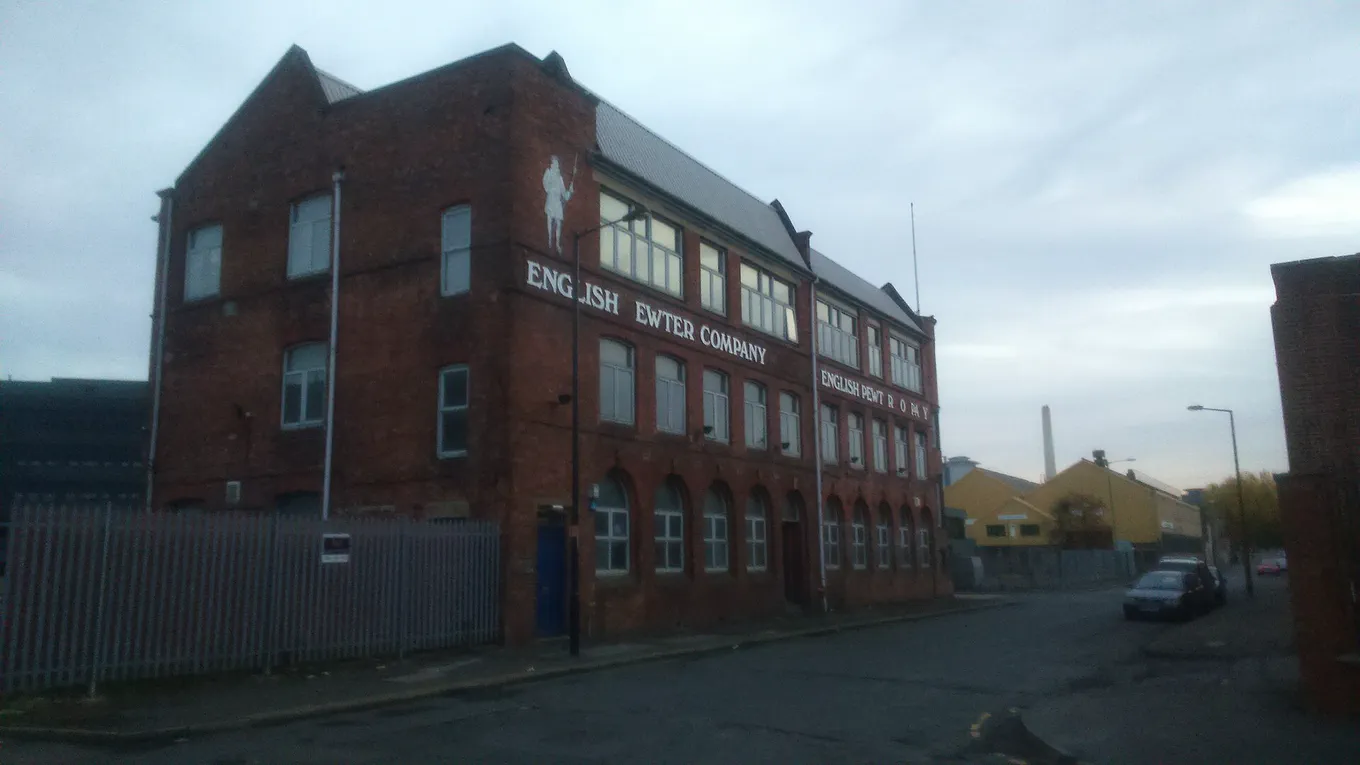
Stand here. Brown-Firth Laboratories, 72 Princess Street. The listed building is now a pewter works, with plaques to Brearley and stainless steel.
Stainless steel began here, with Harry Brearley, a steelworker’s son who left school at twelve. Hunting for a gun-barrel steel that wouldn’t wear away, he tried chromium steels, and found they resisted the chemicals he used to etch them. On 13 August 1913, he cast the first true stainless steel and tested it with vinegar and lemon juice. He alerted Firths to it, but the firm showed little interest. He left after a dispute over the patent. His steel went on to bring affordable cutlery to the masses.
Pack nothing. Leave Friday.
Every Friday, I write a free letter, Journey, that takes us on a trip through places, stories, and ideas.
Good Pop, Bad Pop(Jarvis Cocker, 2022). A book. The Pulp frontman sifts through the odds and ends in his loft, telling the story of Sheffield in the 1980s through his own eyes.
Nighthawking(Russ Thomas, 2021). A crime novel set in Sheffield, in which the body of a young woman is found buried in a bed at the city’s Botanical Gardens on Clarkehouse Road.
The Northern Clemency(Philip Hensher, 2008). A novel set in Sheffield and shortlisted for the Booker Prize, examining the beginning of Margaret Thatcher’s Britain in the 1970s through to Tony Blair’s Britain of the 1990s.
Films to watch before you visit Sheffield
Threads(Mick Jackson, 1984). A television film, written by Barry Hines. A one-megaton bomb falls on Sheffield, and officials suffocate in a bunker under the rubble of the Town Hall.
The Full Monty(Peter Cattaneo, 1997). A film. Six unemployed men form a strip act, and the finale was shot at Shiregreen Working Men’s Club, since destroyed by fire.
Four Lions(Chris Morris, 2010). A film. Four radicalised British Muslims living in Sheffield, with scenes shot in the city centre, Meadowhall Shopping Centre, and Meersbrook.
Standing at the Sky’s Edge(Richard Hawley and Chris Bush, 2019). A musical. Three families across sixty years on Park Hill, a Sheffield council estate. It premiered at the Crucible.
When Saturday Comes(Maria Giese, 1996). A film. A football story that leads to Sheffield United, shot partly at Bramall Lane and on Sandygate Road.
Questions
Can you see where Mary, Queen of Scots, was held in Sheffield?
Yes. Mary was in the Earl of Shrewsbury’s custody, held partly at Sheffield Manor Lodge. Its remains include the Grade II* listed Turret House, also called Queen Mary’s Tower.
Why is Sheffield called the Steel City?
Sheffield became an industrial powerhouse in the 18th century and was dubbed the Steel City, and its traditional cutlery trade expanded hugely in the 19th. It still has an international reputation for metallurgy and steel-making, and the first true stainless steel was cast here in 1913.