Shenzhen lies on the Pearl River estuary in Guangdong, China, with Hong Kong on its southern border. In May 1980, it became China’s first Special Economic Zone. Its 30,000 people that year had become 18.2 million by 2025. Its stories here are a painter of copied Van Goghs, an old leader’s southern tour, the messenger that became QQ, the Opium War’s first shots, and a boy emperor’s grave.
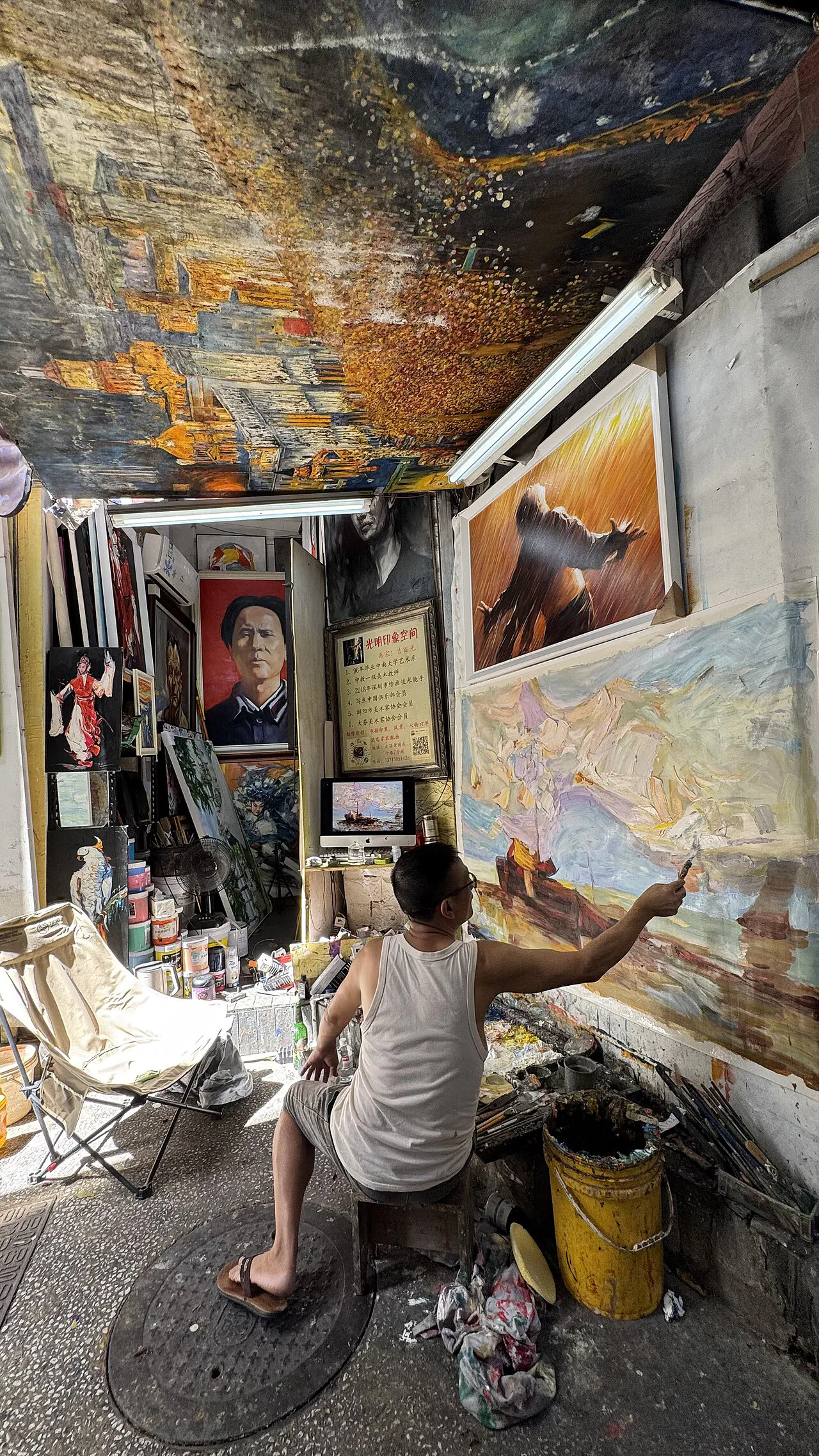
In Dafen, Zhao Xiaoyong has made more than 100,000 copies of Van Gogh. After nearly 20 years, he went to Amsterdam to see the originals. By his own account, the self-portrait he spotted outside the Van Gogh Museum hung in a souvenir shop like a shipping container, nailed to the wall. He learned that his work sold for more than ten times what he was paid. Inside, the real paintings weren’t how he had painted them. Back home, he painted his first picture of his own. It was his wife.
2 Deng Xiaoping’s 1992 southern tour of Shenzhen
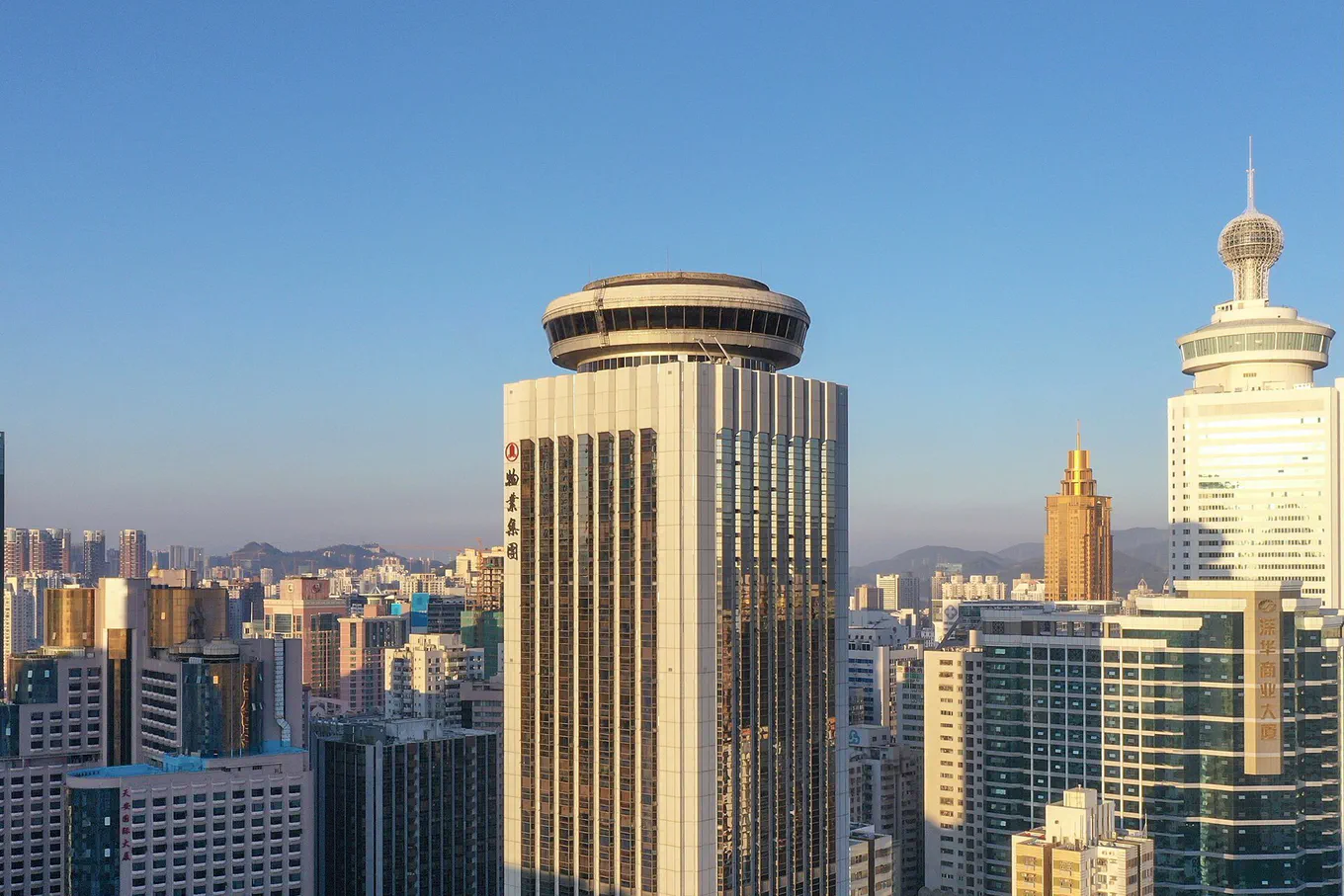
Stand here. The Guomao Building, which Deng visited on the tour. It still stands 50 floors high, China’s tallest when finished in 1985.
Deng Xiaoping, China’s former leader, was 87 in 1992 and held no formal post. Reform had stalled since the Tiananmen crackdown he ordered in 1989. He arrived in Shenzhen and told its officials to be bolder, not to act like women with bound feet. Development, he said on the tour, is of overriding importance. But Beijing and the national press ignored him. Hong Kong reporters broke the story, and a Shenzhen newspaper printed it without approval, the first on the mainland to do so. The tour changed China’s direction permanently.
3 Pony Ma, a Shenzhen graduate, and how OICQ became QQ
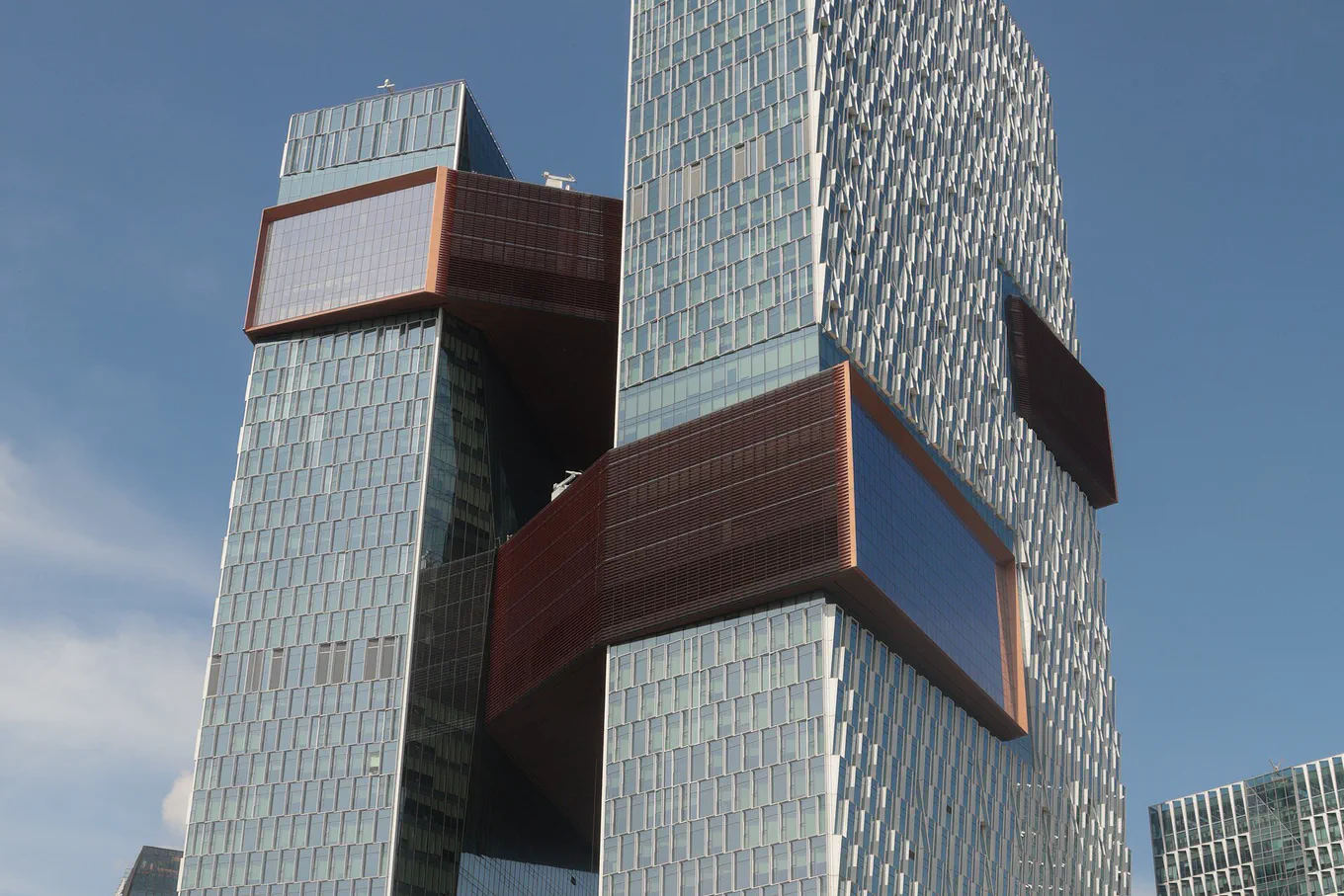
Stand here. Tencent Seafront Towers, in Houhai, Nanshan. The company’s twin-tower head office, joined by three skybridges, was completed in 2017.
Tencent Seafront Towers, the company’s twin-tower head office joined by skybridges, in Houhai, Nanshan District, Shenzhen.花浅葱 / CC0.
QQ, Tencent’s messenger long before WeChat, began as OICQ, “Open ICQ”, named after the ICQ service. Pony Ma, a Shenzhen University graduate who had written pager software, co-founded Tencent in 1998 and released OICQ the next year. Ma knew it had a future but couldn’t afford it, so he sought loans and even discussed selling. Then AOL, which owned ICQ, claimed the OICQ web addresses broke its trademark. Tencent lost them, and in December 2000 Ma renamed the program QQ. In 2023, 597 million accounts still used it every month.
4 Lai Enjue of Dapeng Fortress and the Opium War’s first shots
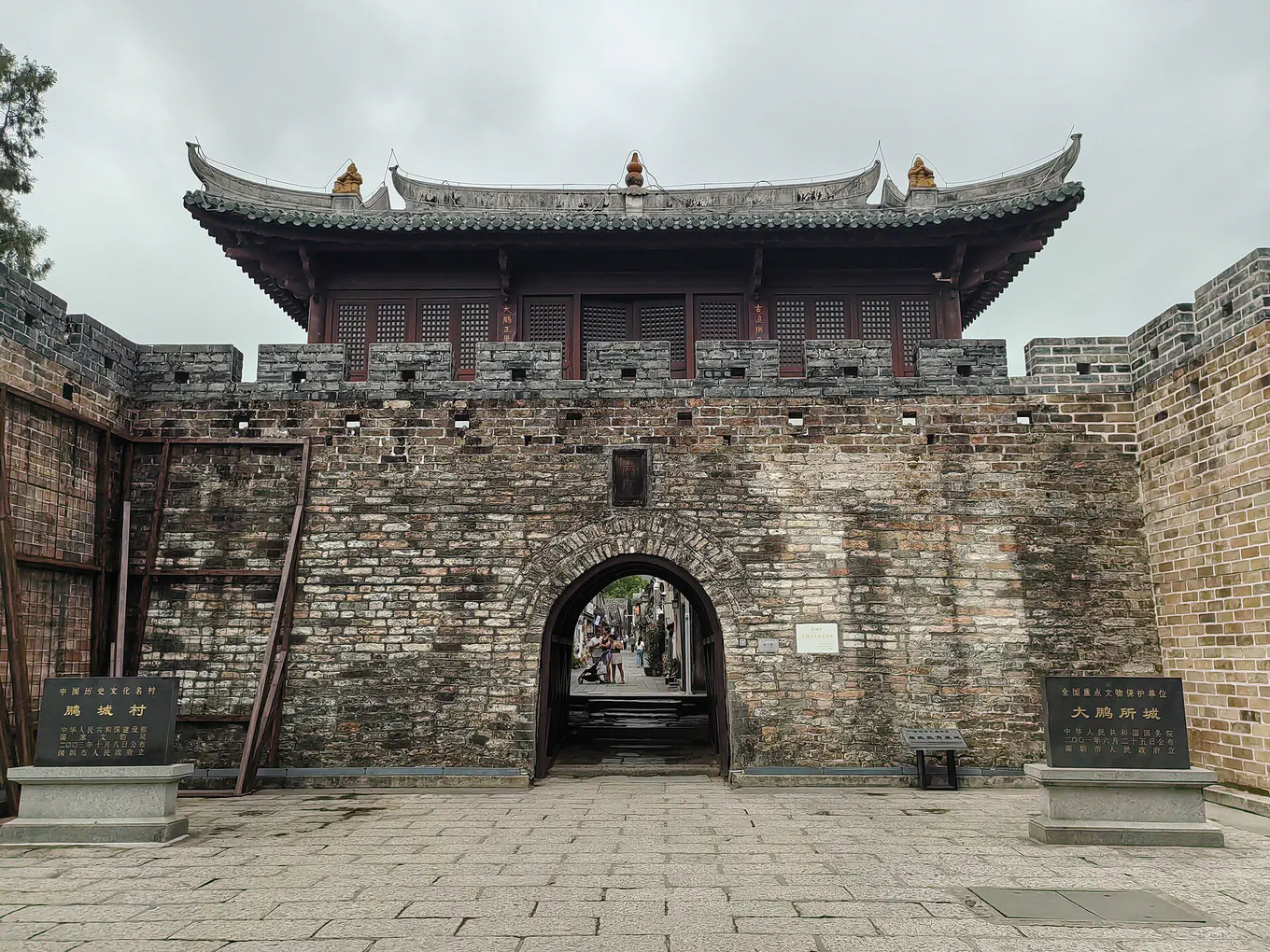
Stand here. Dapeng Fortress, Lai’s home town, a walled village built against pirates in 1394 and run by a museum since 1996.
The First Opium War began with a skirmish over food off Kowloon, in today’s Hong Kong. A Chinese edict had banned selling food to the British, and on 4 September 1839 a British cutter came for supplies. The local commander was Lai Enjue, from Dapeng Fortress, and his war junks were enforcing the ban. British boats opened fire. The fight ended in a stalemate. But Lai reported a victory, claiming he had sunk a two-masted English ship. He was later given the equivalent rank of lieutenant general, and in 1843 he was made admiral of the Guangdong navy.
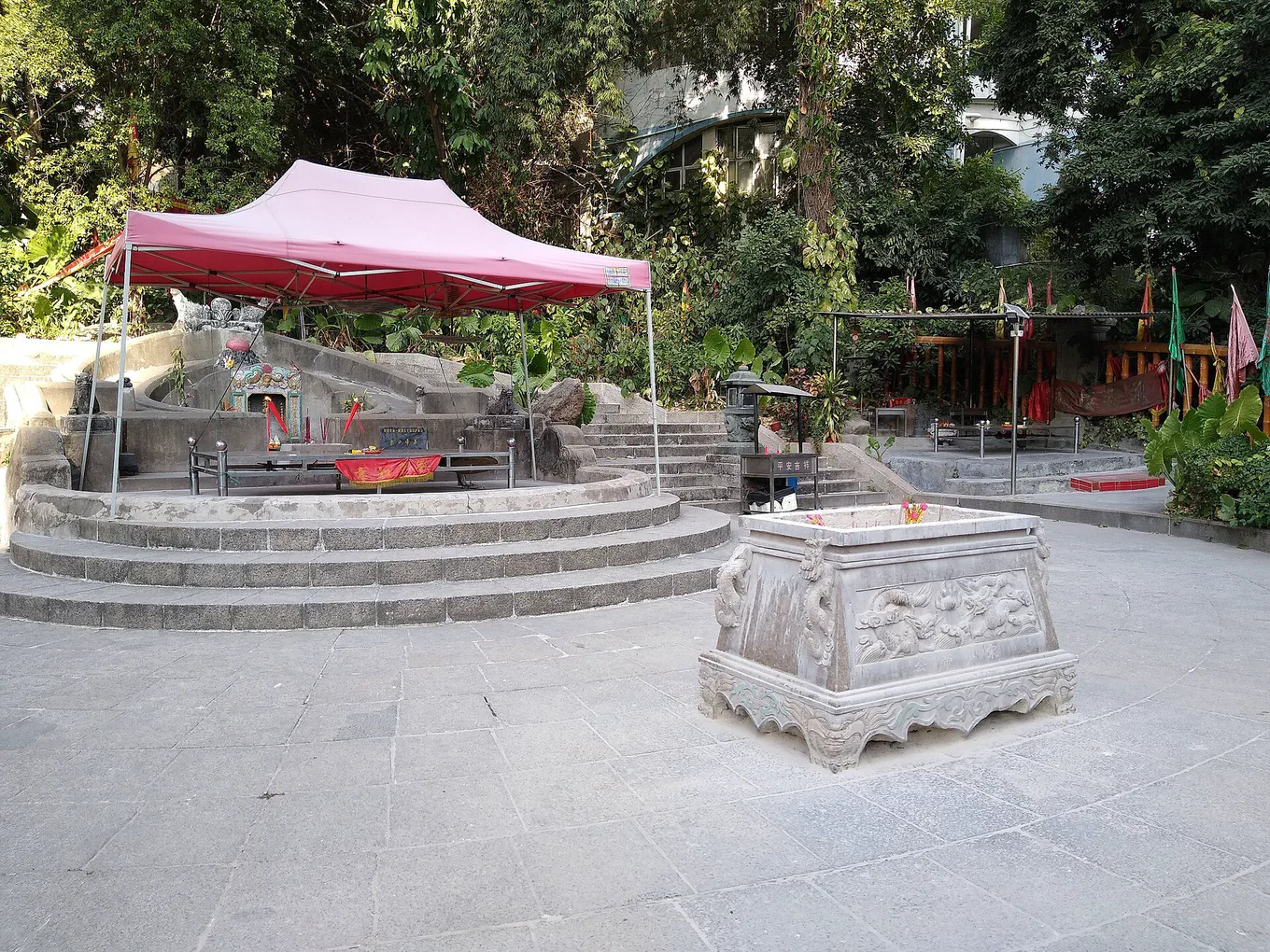
Stand here. Song Shaodi’s Tomb, in Chiwan, Nanshan District. Rediscovered in the 1960s, the grave was restored and enlarged in 1984.
The tomb of Zhao Bing, last emperor of the Song dynasty, in Chiwan, Nanshan District, Shenzhen.Mx. Granger / CC0.
At seven, Zhao Bing was the last emperor of the Song dynasty. His chancellor, Lu Xiufu, helped run the Song government as the dynasty fought the Mongol-led Yuan. On 19 March 1279, the boy watched from coastal cliffs as the entire Song army and navy were wiped out at the Battle of Yamen. Lu took him in his arms and leapt from a cliff into the sea, killing them both. The boy emperor’s grave is said to be at Chiwan. No one has ever confirmed who lies in it.
Pack nothing. Leave Friday.
Every Friday, I write a free letter, Journey, that takes us on a trip through places, stories, and ideas.
Shenzhen: A Travelogue from China(Guy Delisle, 2000). A graphic memoir. Delisle’s three months at the Great Wall Hotel on an outsourcing project, and his one tourist outing, to the Window of the World.
The Essential Guide to Electronics in Shenzhen(Andrew “bunnie” Huang, 2016). A guide. How to find your way round the Huaqiangbei electronics market, in Futian.
Learning from Shenzhen(edited by Mary Ann O’Donnell, Winnie Wong, and Jonathan Bach, 2017). Essays on the city, among them Ezra Vogel’s account of walking on the Lo Wu Bridge from Hong Kong.
Films to watch before you visit Shenzhen
China’s Van Goghs(Yu Haibo and Yu Tianqi Kiki, 2016). A documentary. The copy painters of Dafen Oil Painting Village, and Zhao Xiaoyong’s journey to Amsterdam to see the originals.
The Crossing(Bai Xue, 2018). A drama film set in Shenzhen. A shy teenager who attends school in Hong Kong gets drawn into smuggling black-market smartphones to fund her dream of travelling to Japan.
Scare Out(Zhang Yimou, 2026). A film. A Chinese New Year blockbuster shot at landmarks across Shenzhen, including Gangxia North metro station, known as Shenzhen Eye, and One Avenue.
Questions
Where is the Deng Xiaoping statue in Shenzhen?
On a hilltop at the centre of Lianhuashan Park, in Futian District. The 6-metre statue, unveiled in November 2000, shows Deng walking briskly, a nod to his words that the steps of reform should be bigger. A second statue, at Fairy Lake Botanical Garden, shows him planting a tree on his 1992 tour.
What is Dafen Oil Painting Village?
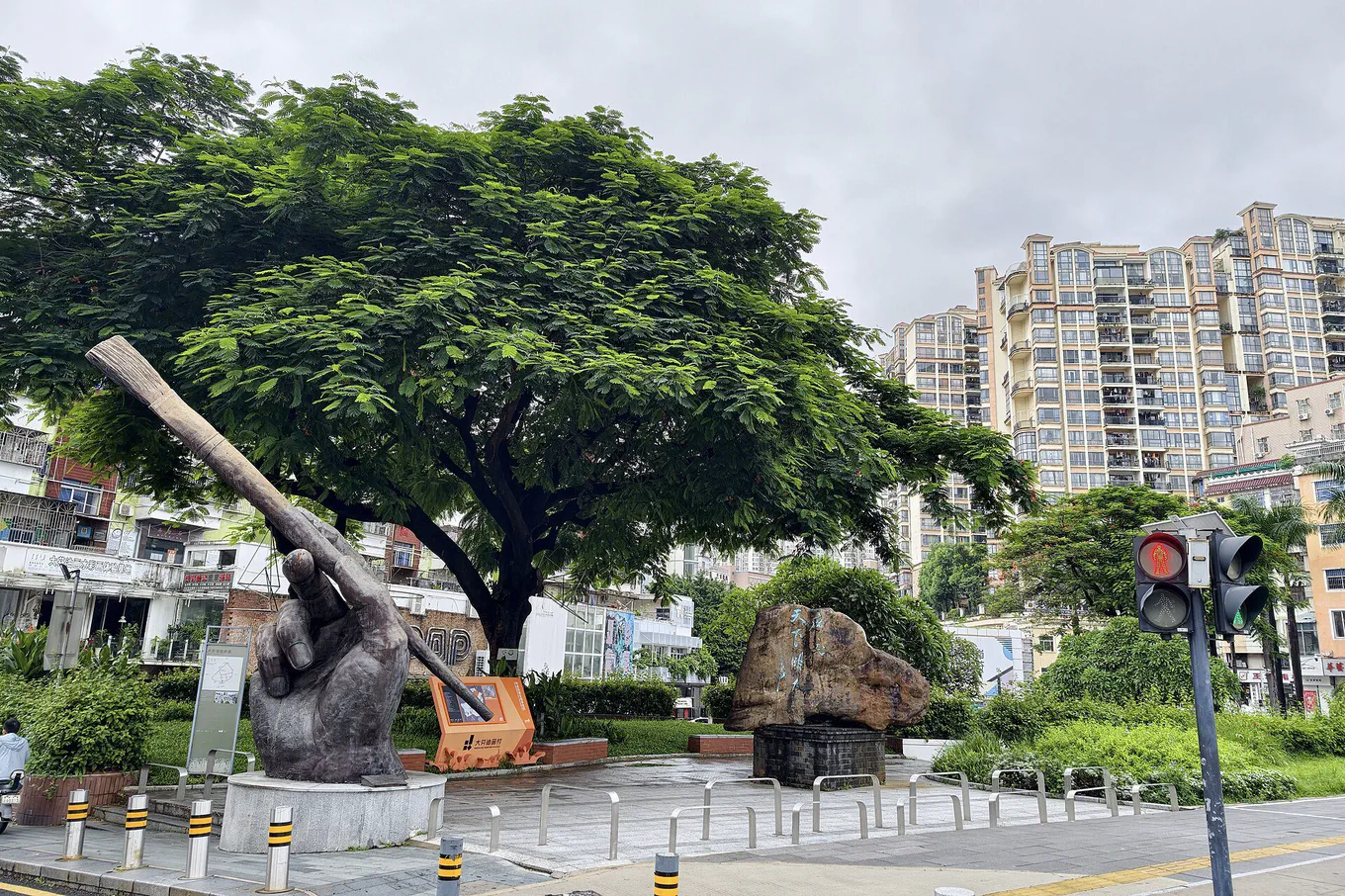
A suburb of Buji, in Longgang District, where painters have made replicas of famous works since 1989. At its height it produced 60 per cent of the world’s new oil paintings. About 8,000 people live there today, including painters, frame makers, agents, and their families.
Was Shenzhen really a fishing village before 1980?
Not quite. The area was Bao’an County, people have lived there for about 6,700 years, and it had a market town from the Qing dynasty. Hundreds of villages were folded into the new city. Juan Du’s history The Shenzhen Experiment calls the fishing-village story a misconception.