Sofia is the capital and largest city of Bulgaria, in the Sofia Valley at the foot of the Vitosha mountain. Known as Serdica in antiquity, it has been lived in since at least 7000 BC, and became the capital in 1879. Its stories here are the city an emperor reportedly called his Rome, a hanged revolutionary, a tomb that wouldn’t fall, an art student’s escape, and Superman on a Soviet monument.
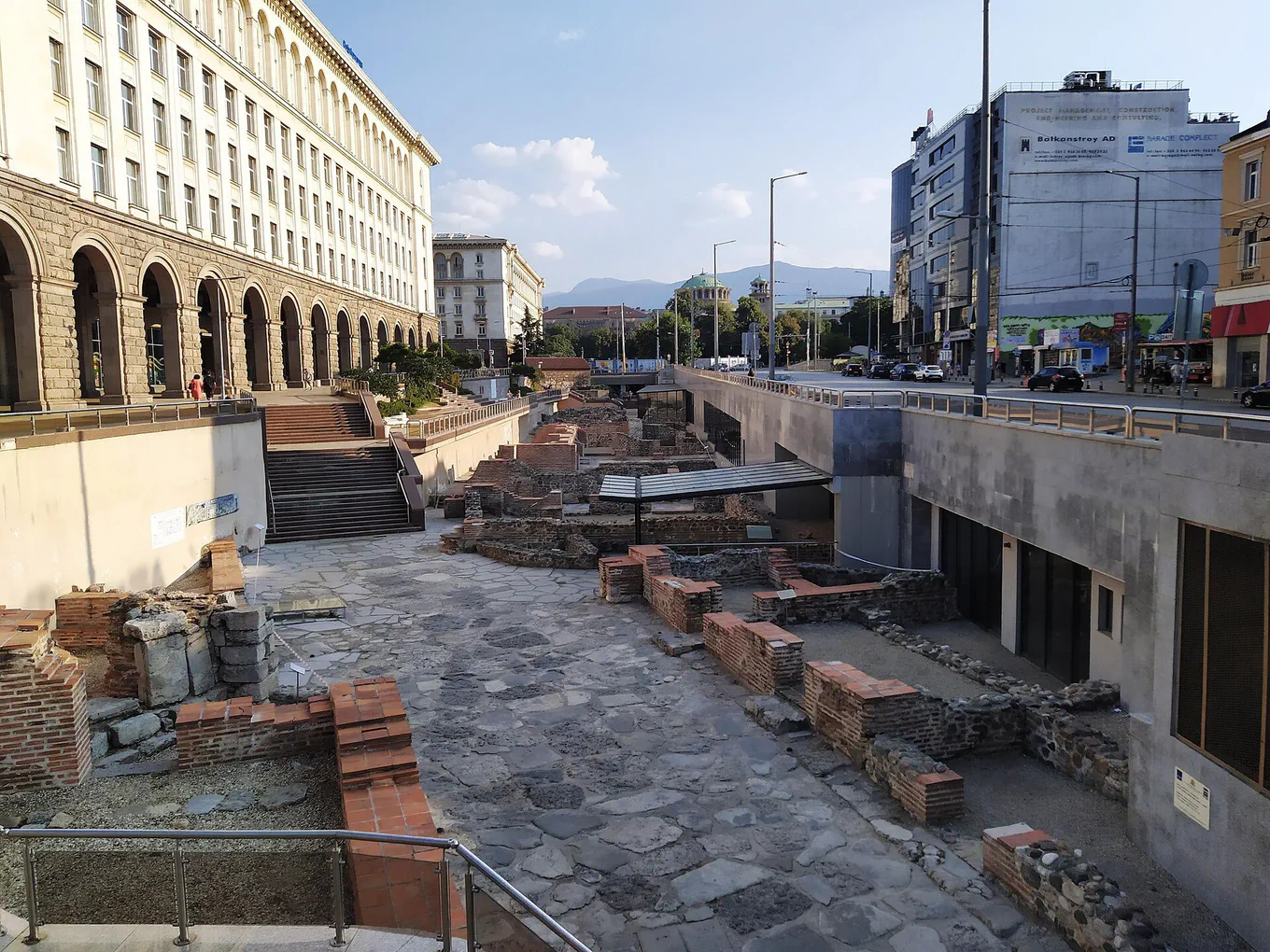
Constantine the Great wanted an alternative capital, and one place he seems to have considered was Serdica, today’s Sofia. He is reported to have said “Serdica is my Rome”. But Sirmium and Thessalonica were on his list too, and in the end he built his capital at Constantinople. The Huns destroyed Serdica in 447. Between 2010 and 2012, digging for a metro line uncovered eight of its streets, with a Christian basilica, baths, and mosaic floors. The city he reportedly called his Rome had been under Sofia all along.
2 Vasil Levski, the Apostle of Freedom, hanged in Sofia
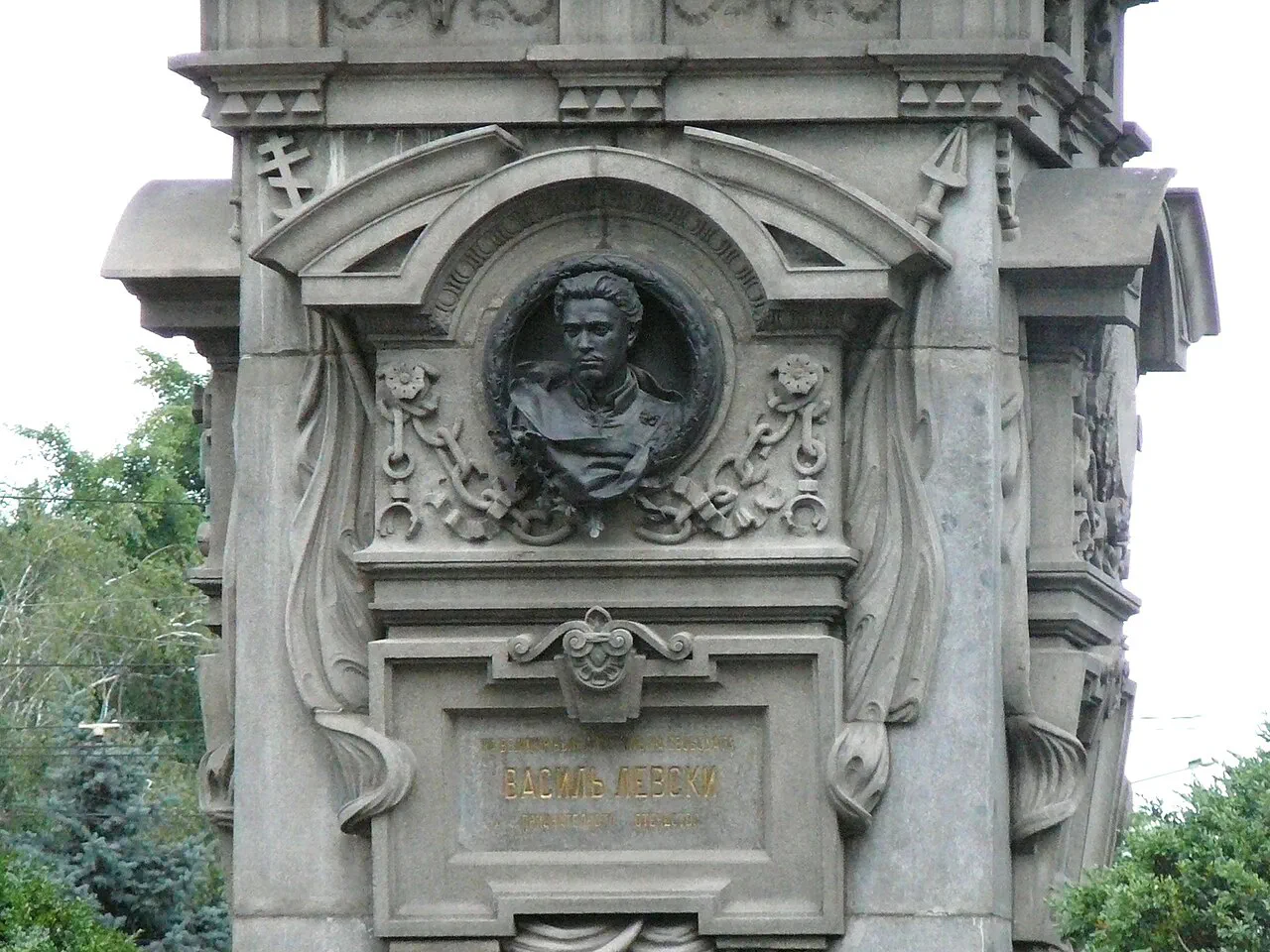
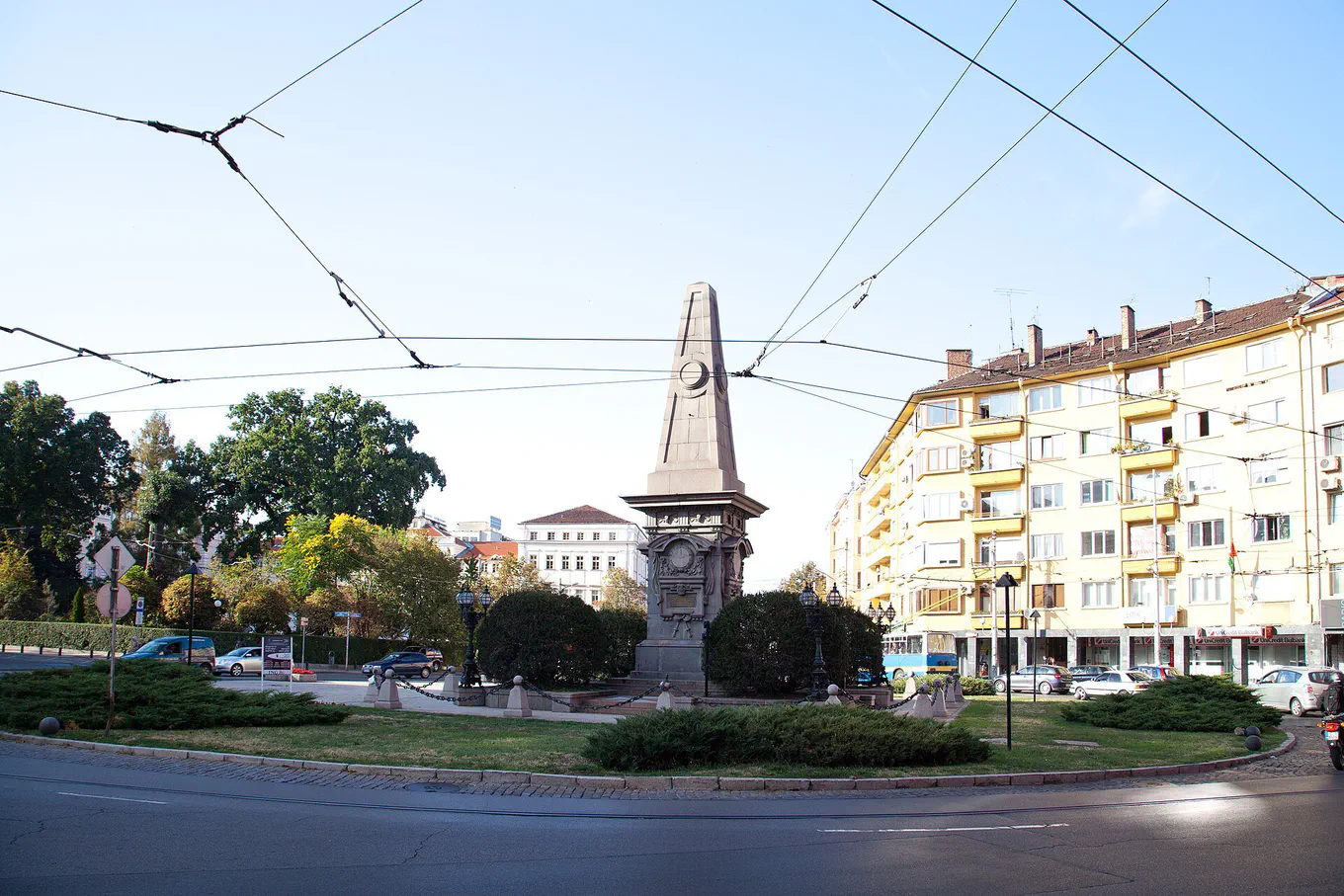
Stand here. The Monument to Vasil Levski, in the centre of Sofia, 13 metres of grey granite raised in 1895 on the spot where he was hanged.
Bulgaria’s national hero had once been an Orthodox monk. Vasil Levski, whose nickname, earned by his courage, means “Lionlike”, wanted to free Bulgaria from Ottoman rule, and he built a secret network of regional committees to raise a nationwide uprising. But a group of prisoners confessed and revealed his leading role. He was surprised and arrested at a village inn, tried in Sofia, and hanged here on 18 February 1873. Bulgaria calls him the Apostle of Freedom, yet no one knows for certain where he is buried.
3 Georgi Dimitrov’s mausoleum, the Sofia tomb that wouldn’t fall
Stand here. Prince Alexander of Battenberg Square, in central Sofia. The mausoleum stood here until it was demolished in 1999.
At the Reichstag fire trial in 1933, Georgi Dimitrov defended himself, cross-examined Hermann Göring, and was acquitted. When he died in 1949 as Bulgaria’s communist leader, a tomb for his embalmed body went up here in six days, the time it took to bring him home from the USSR. In August 1999, with his body long since cremated, the government set out to demolish the tomb. The first three attempts barely moved it, and only the fourth brought it down. It took longer to knock down than to build.
4 Christo, the art student who fled Sofia
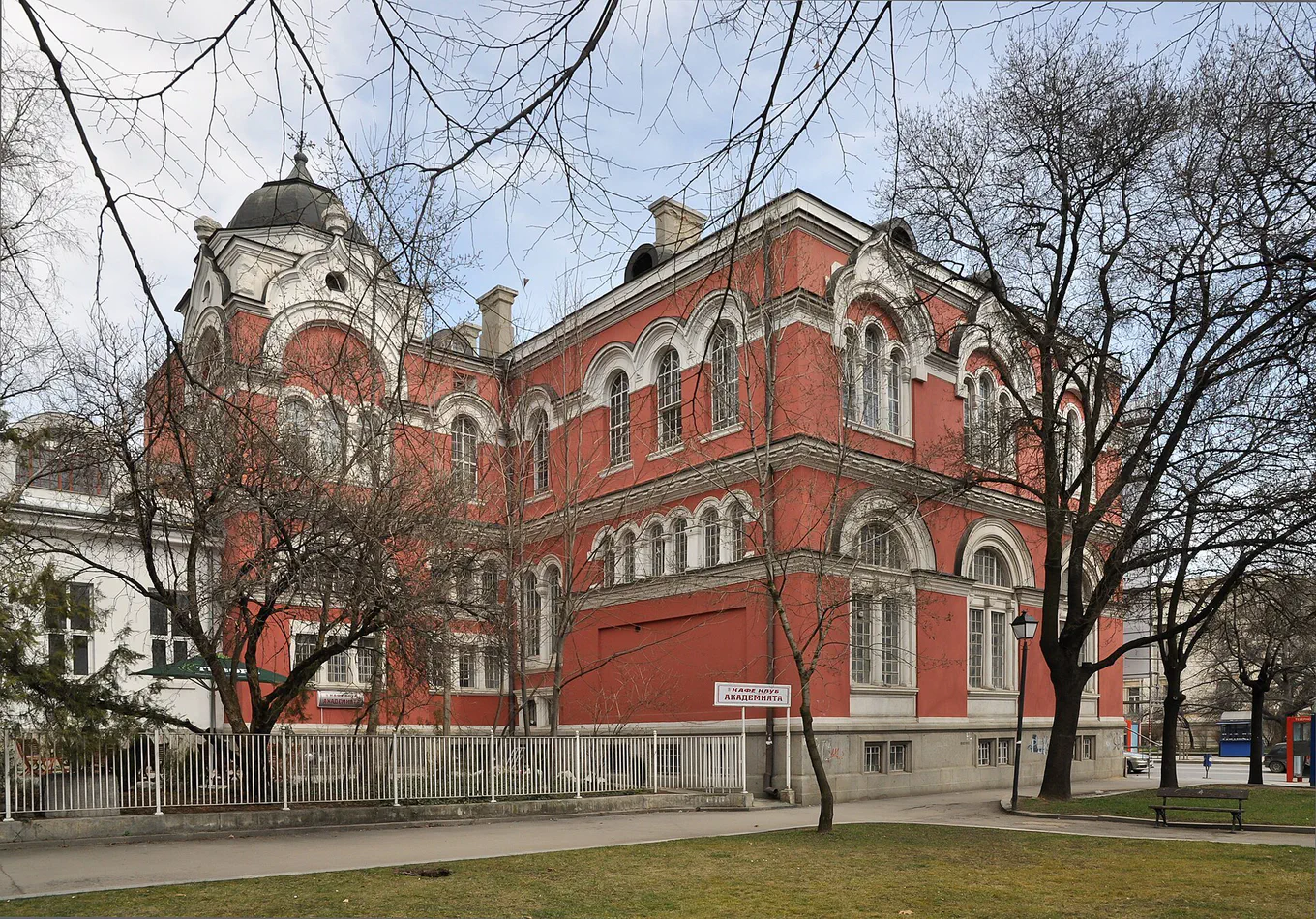
Stand here. The Sofia Academy of Fine Arts, where Christo enrolled in 1953.
Long before Christo and Jeanne-Claude wrapped the Reichstag in Berlin, Christo was a student at this academy, and he found it dull and stifling. At weekends the students were sent out to paint propaganda, and he went unhappily. In 1956, he used an academy connection to get permission to visit family in Prague. From there he fled to Vienna as a stowaway on a railcar, with little money and none of the language. He would be stateless for seventeen years.
5 Superman on the Soviet Army monument in Sofia
Stand here. The Monument to the Soviet Army, on Tsar Osvoboditel Boulevard. Its top figures were removed in December 2023, and it has been fenced off since.
Overnight on 17 June 2011, Superman, the Joker, Captain America, Wonder Woman, Ronald McDonald, and Santa Claus took over a Soviet Army monument. Artists calling themselves Destructive Creation had painted its soldiers as American pop-culture characters, with a caption underneath, “In pace with the times”. To some, it was the work of a “Banksy of Bulgaria”. Bulgaria’s culture minister called it vandalism, and Russia’s foreign ministry hoped those responsible would be exposed and punished. Three days later, the paint was removed, and the soldiers were Soviet again.
Pack nothing. Leave Friday.
Every Friday, I write a free letter, Journey, that takes us on a trip through places, stories, and ideas.
The Mask of Dimitrios(Eric Ambler, 1939). A novel. Latimer follows the trail of Dimitrios by train to Sofia, where he learns that the Eurasian Credit Trust funded Stambulisky’s assassination.
What Belongs to You(Garth Greenwell, 2016). A debut novel set in Sofia, whose unnamed narrator, an English teacher living in the city, has an addiction, and that addiction’s name is Mitko.
Street Without a Name(Kapka Kassabova, 2009). A memoir of the author’s childhood in Sofia, where she was raised with her parents and younger sister, and of her return trips to the city.
Films to watch before you visit Sofia
Women Do Cry(Vesela Kazakova and Mina Mileva, 2021). A film. Set in Sofia, it follows 19-year-old Sonja, diagnosed with HIV, and the women in her family who flock around and support her.
Zift(Javor Gardev, 2008). A black-and-white film. Released from jail in the 1960s, Moth wanders socialist Sofia, where the Largo and the Georgi Dimitrov Mausoleum have changed the look of the city.
Eastern Plays(Kamen Kalev, 2009). A drama film, mostly filmed in Sofia, in which a neo-Nazi gang attacks a Turkish family from Istanbul spending the night in the city en route to Germany.
Questions
Can you see the Roman ruins of Serdica in Sofia?
Yes. Remains of eight Roman streets, a Christian basilica, and buildings with mosaic floors were found during work on a metro line between 2010 and 2012. They now form an open-air site at Serdika II metro station, next to Independence Square, opened in April 2016.
Can you visit Boyana Church?
Yes. Boyana Church is a medieval Orthodox church on the outskirts of Sofia, in the Boyana quarter, and it has been on the UNESCO World Heritage List since 1979. It owes its fame mainly to its frescoes of 1259. Visits are short, with groups of up to eight people allowed to stay for ten minutes.
When did Sofia become the capital of Bulgaria?
In 1879, the year after Bulgaria’s liberation from Ottoman rule in 1878. Marin Drinov proposed Sofia, and it was accepted as the capital of the new Bulgarian state on 3 April 1879.