Stockton, United States, California, North America
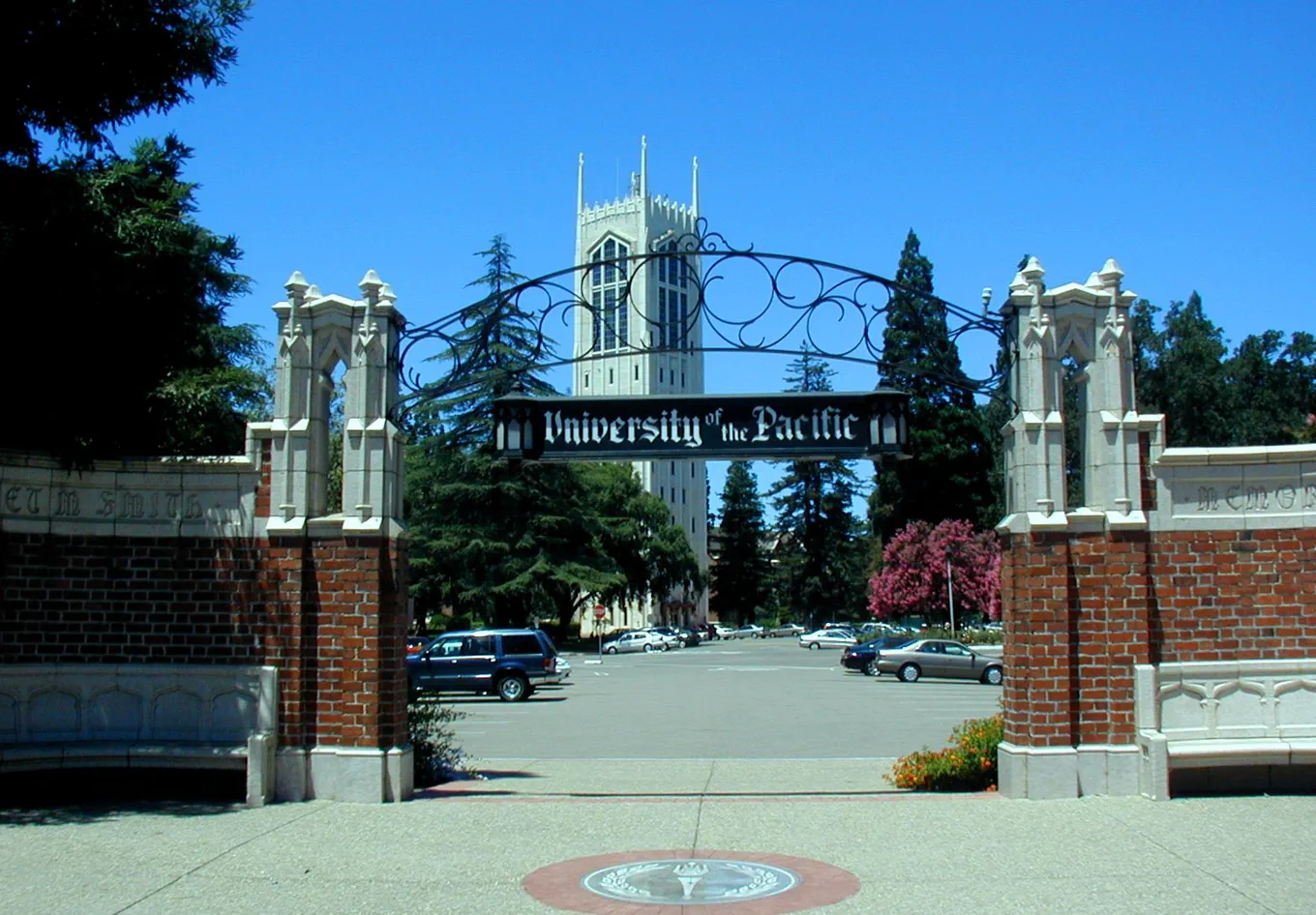
The University of the Pacific in Stockton turns up in Raiders of the Lost Ark. (I’m an Indiana Jones fan, as you may have noticed.)
— Nick
Stockton is a city on the San Joaquin River, in California’s Central Valley, founded during the Gold Rush in 1849 and named after Robert F. Stockton, a famed commodore of the Mexican–American War. Its stories here are the tractor that named Caterpillar, a poem’s disputed Mudville, a vet student sent to music, America’s first Sikh temple, and a boxing film shot on a doomed skid row.
1 Benjamin Holt’s tractor that became the Caterpillar
Stand here. The Benjamin Holt Wing of the Haggin Museum, in Victory Park, which includes a restored Holt 75 Caterpillar tractor.
The Caterpillar name began with an inventor, Benjamin Holt. His steam tractors often sank into the soft Delta farmland around the city, so he built one that ran on tracks. On Thanksgiving Day 1904, it worked, in a peat field on Roberts Island. His photographer said the track, rising and falling over its rollers, looked like a caterpillar, and Holt took the name. By 1916, the British were using about a thousand of his tractors in the First World War, and they inspired the British and French tanks.
2 Casey at the Bat and Stockton’s claim to Mudville
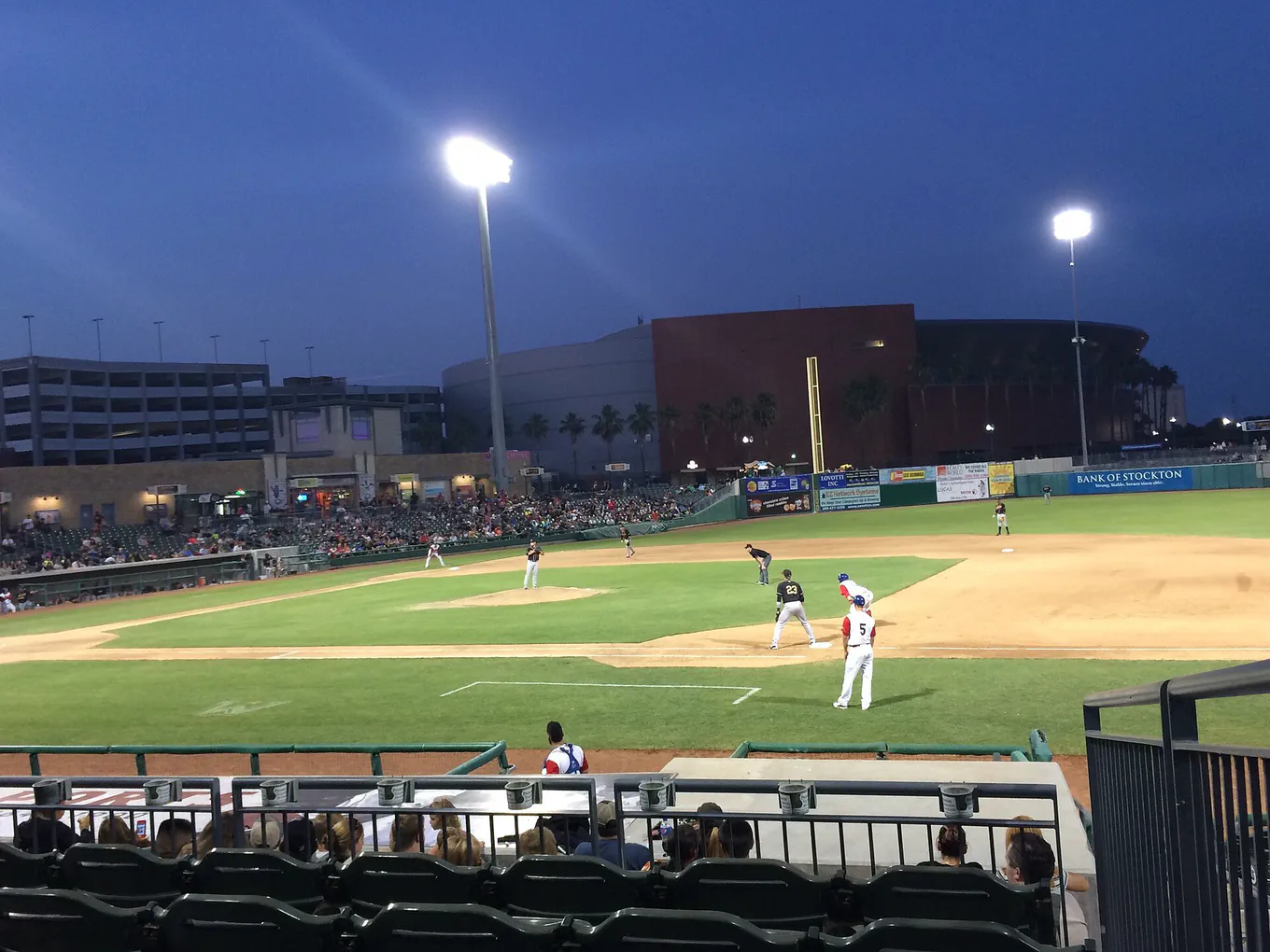
Stand here. Banner Island Ballpark, opened in 2005. Stockton’s 1888 team played on the same island, once known as Mudville.
In June 1888, the San Francisco Examiner printed a baseball poem, “Casey at the Bat”, signed “Phin”. Its author was Ernest Thayer, a journalist on the paper, who is said to have covered Stockton’s team. Stockton had been known as Mudville before 1850, and its 1888 team played on Banner Island, also once called Mudville. So Stockton claims the poem’s Mudville, and in 2000 and 2001 its team played as the Mudville Nine. But Holliston, Massachusetts, claims it too, and Thayer himself said the poem had no basis in fact.
3 Dave Brubeck’s wrong turn at the College of the Pacific
Stand here. The Conservatory of Music at the University of the Pacific, the West Coast’s first. The Brubecks founded an institute at the university in 2000.
Dave Brubeck, whose “Take Five” became a jazz standard, arrived at the College of the Pacific in Stockton in 1938 to study veterinary science. His head of zoology told him his mind wasn’t there. It was across the lawn in the conservatory, and he should go there and stop wasting both their time. He went. Then a music professor found he couldn’t sight-read, and he was nearly expelled. Other professors defended him, and the college let him graduate on one condition. He had to promise never to teach.
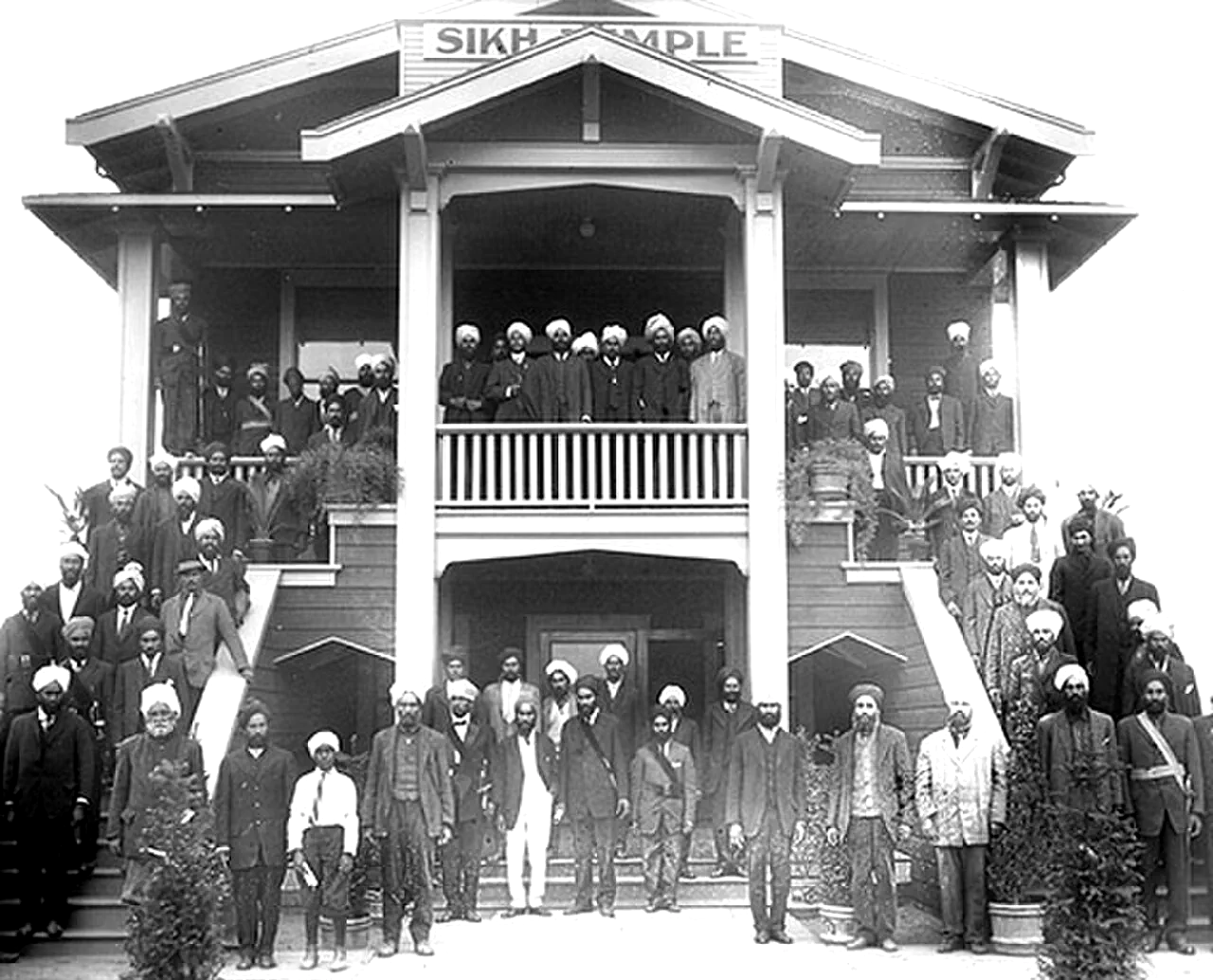
4 Jawala Singh and America’s first Sikh temple, in Stockton
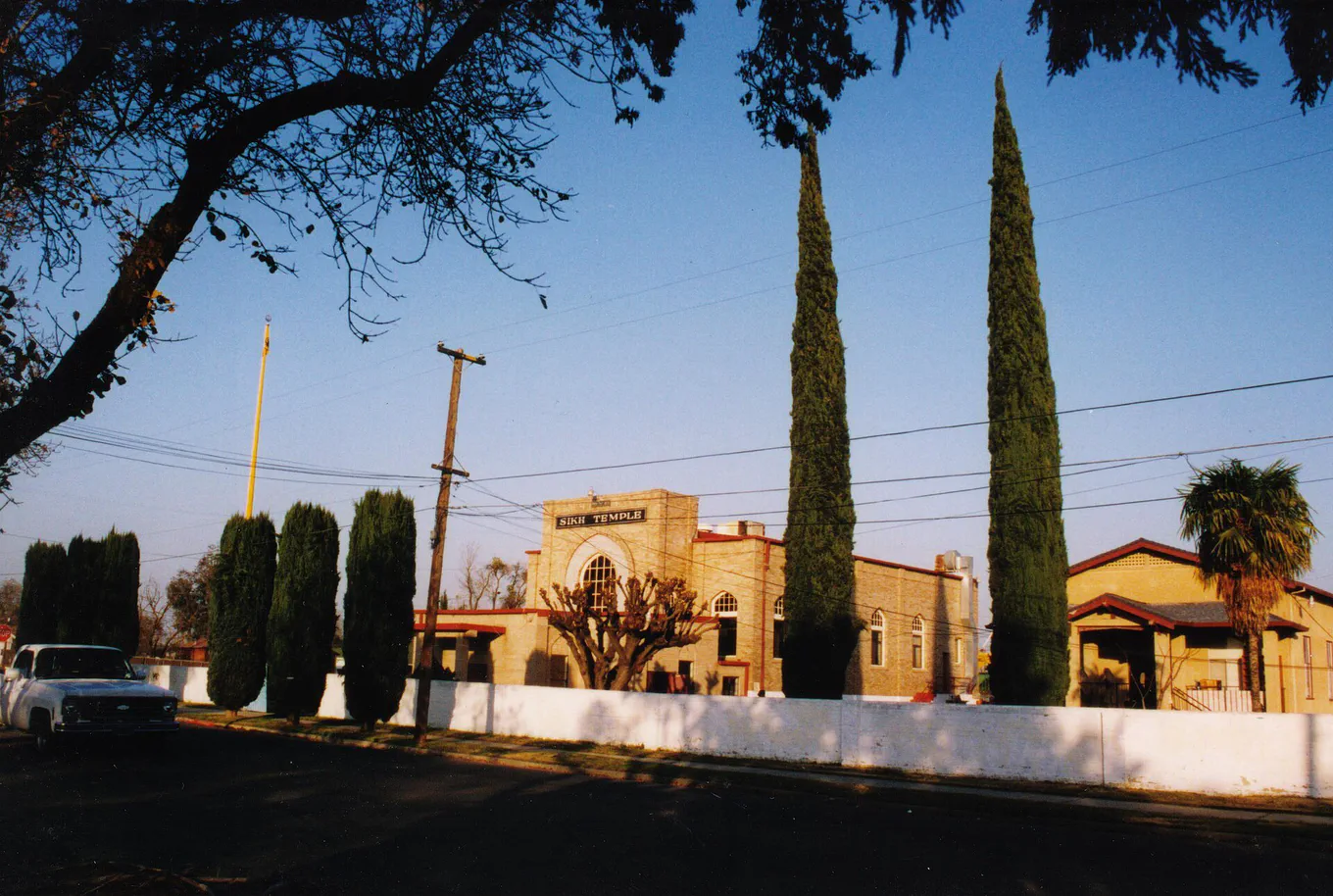
Stand here. The Gurdwara Sahib of Stockton, on South Sikh Temple Street. Its 1929 brick temple keeps the Ghadar party’s printing press.
The Gurdwara Sahib of Stockton on South Sikh Temple Street, seen behind its cypress trees.Ipsingh / Public domain.
America’s first gurdwara, or Sikh house of worship, opened in Stockton in 1912. One of its two founders was Jawala Singh, a wealthy Punjabi potato farmer, who served as its first granthi, the reader of the scripture. The temple became the centre of the Ghadar party, which called on Indians abroad to end British rule in India, and he and his partner gave their farm to the party. When he sailed back to India, he was arrested on arrival in Calcutta, and he stayed in jail until 1933.
5 Fat City, John Huston’s film of Stockton’s skid row
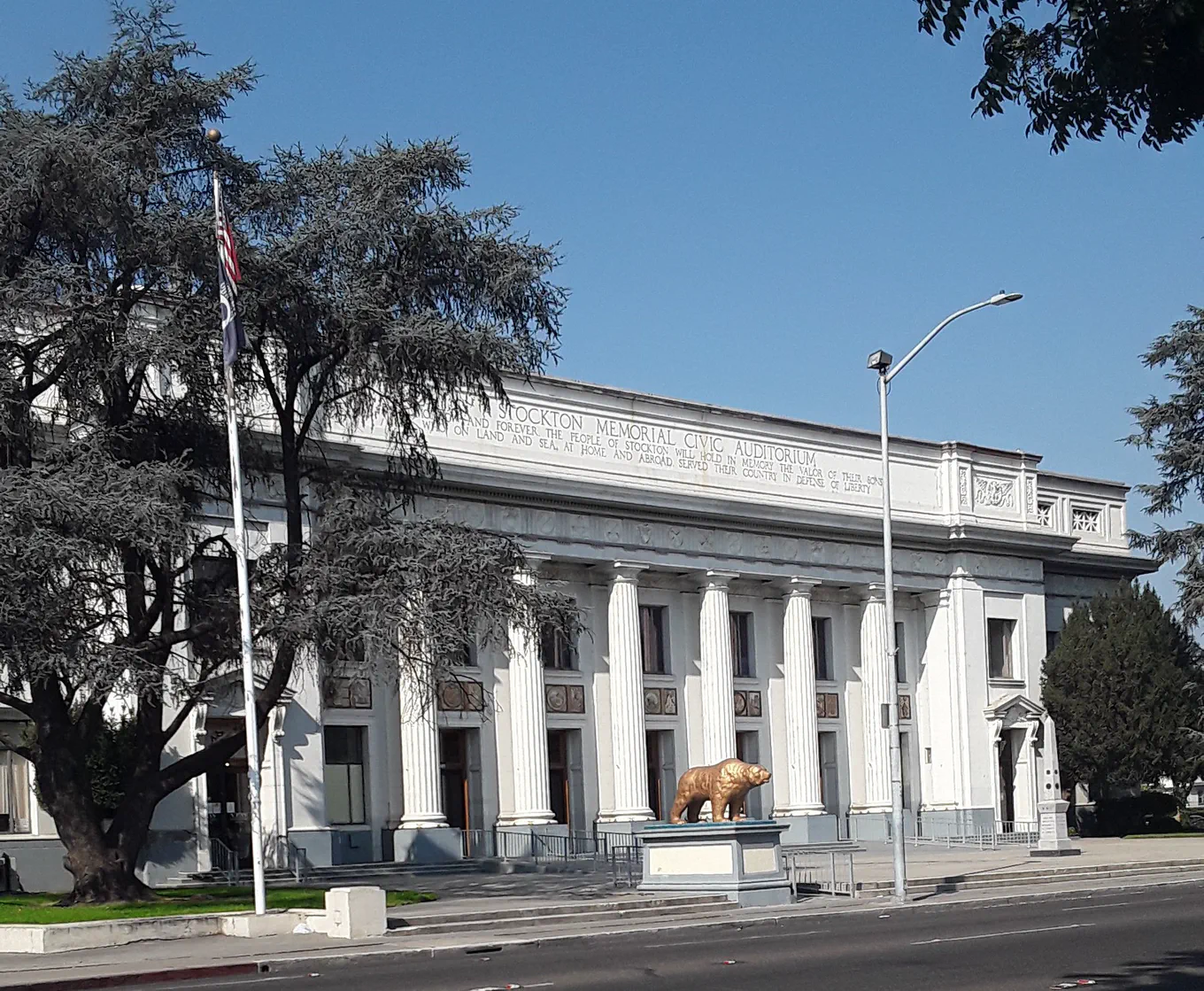
Stand here. Stockton Memorial Civic Auditorium, completed in 1925. A 1971 report from the film’s set called it “old, cavernous”.
John Huston shot most of his 1972 film Fat City, starring Stacy Keach and Jeff Bridges, on location in Stockton, the city its title refers to. Leonard Gardner, a former boxer born in Stockton, adapted it from his own 1969 novel, which he said was more about losers than about boxers. Its characters live on a Stockton skid row that was itself on the edge of destruction. By one account, on the very day after the final shoot, large parts of the film’s locations were razed.
Pack nothing. Leave Friday.
Every Friday, I write a free letter, Journey, that takes us on a trip through places, stories, and ideas.
Fat City(Leonard Gardner, 1969). A novel. It follows Billy Tully, a discouraged semi-retired boxer, in Stockton.
Little Manila Is in the Heart(Dawn Bohulano Mabalon, 2013). A history. How Filipinas and Filipinos built Little Manila in downtown Stockton, once the largest Filipina/o community outside the Philippines, before 1960s redevelopment broke it up.
Afterparties(Anthony Veasna So, 2021). A short story collection. Stockton forms the backdrop to So’s debut, an homage to the Cambodian diaspora, and every story but one is set in the city.
Films to watch before you visit Stockton
Fat City(John Huston, 1972). A film. Gardner’s novel brought to the screen on Stockton’s old skid row, with Stacy Keach and Jeff Bridges.
Raiders of the Lost Ark(Steven Spielberg, 1981). A film. The University of the Pacific campus in Stockton, where Dave Brubeck studied, is among its locations.
All the King's Men(Robert Rossen, 1949). A political drama film noir. Stockton’s San Joaquin County courthouse, built in 1898 and demolished a decade after the film’s release, was featured prominently.
Questions
Is Stockton the real Mudville from Casey at the Bat?
Stockton claims it. The town was known for a time as Mudville before 1850, and its 1888 team played on Banner Island, also once called Mudville. Holliston, Massachusetts, which has a neighbourhood called Mudville, claims it too, and the poet, Ernest Thayer, said the poem had no basis in fact.
Where is the first Sikh temple in the United States?
In Stockton. The Gurdwara Sahib of Stockton opened on 24 October 1912, founded by the Pacific Coast Khalsa Diwan Society. It stands on South Sikh Temple Street, where its brick temple was completed in 1929. The Ghadar party’s printing press is kept there.
Why is Stockton called Stockton?
It is named after Robert F. Stockton, a famed commodore of the Mexican–American War. Carl David Weber founded the town during the Gold Rush in 1849. The site of the house he built in 1850, Weber Point on Center Street, is a California Historical Landmark.