Dear Tokyo, thank you for Sony, who gave us the Walkman, the Playstation, and the original Spider-Man movies. I loved (or love) them all. The best movie I’ve seen set here… Lost in Translation.
— Nick
Until 1868, this was Edo, the seat of the Tokugawa shoguns; that year it was renamed Tokyo, ‘Eastern Capital’. Japan’s capital and most populous city lies at the head of Tokyo Bay on Honshu, the country’s largest island. A samurai revenge, a faithful dog and a monster dreamed up on a plane precede a novelist born at a baseball game and a director waiting for her star.
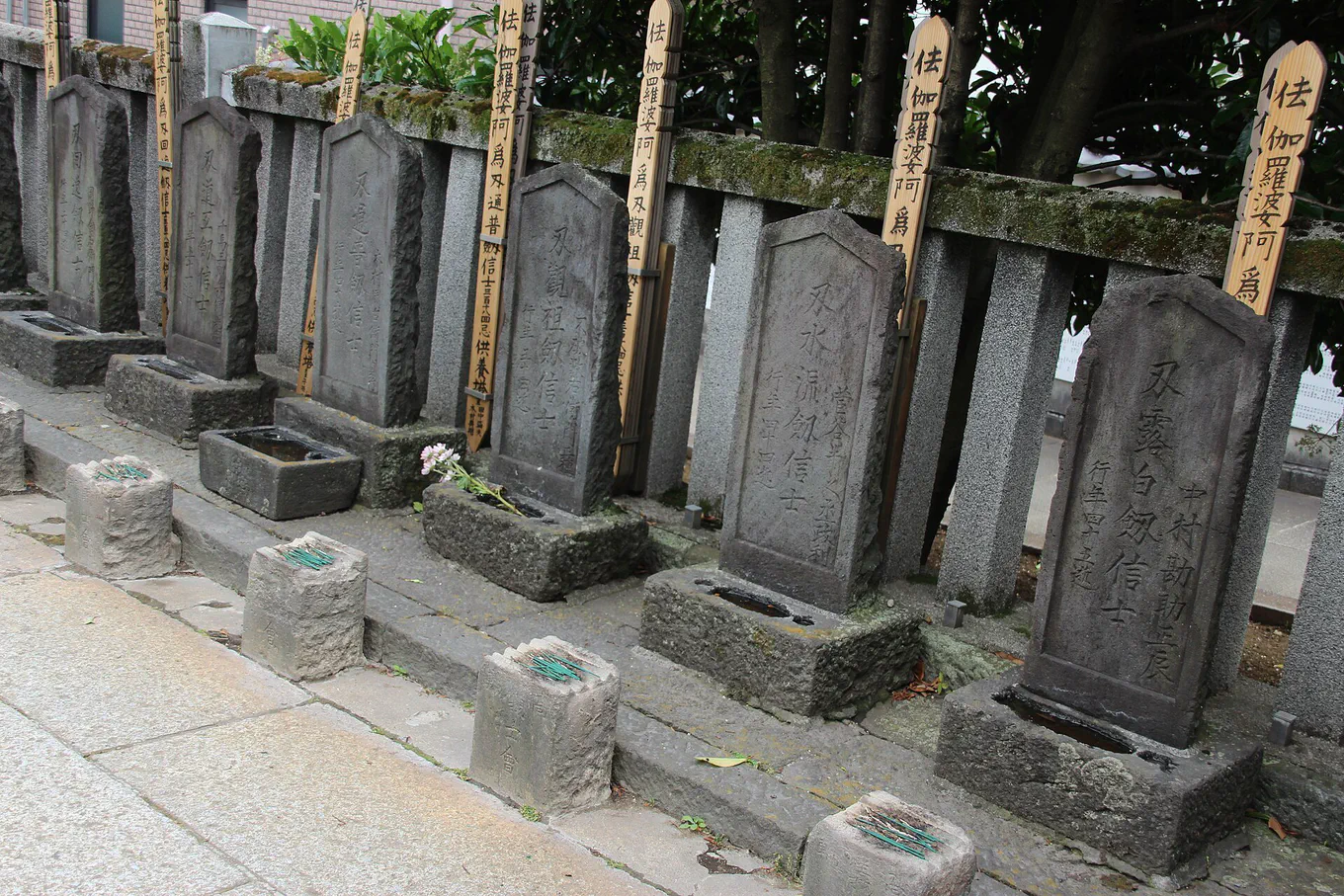
Kabuki and puppet theatres made this story famous as Chūshingura, and a film, 47 Ronin, retold it loosely. Asano, the lord of Akō, drew a dagger on a powerful official, Kira, and was ordered to kill himself. His samurai became rōnin, men without a master. In January 1703, forty-seven of them stormed Kira’s house, cut off his head, and carried it here to Asano’s grave. In March, forty-six of them killed themselves. The forty-seventh was pardoned. They lie before their lord.
Hachikō, the dog who waited at Shibuya Station
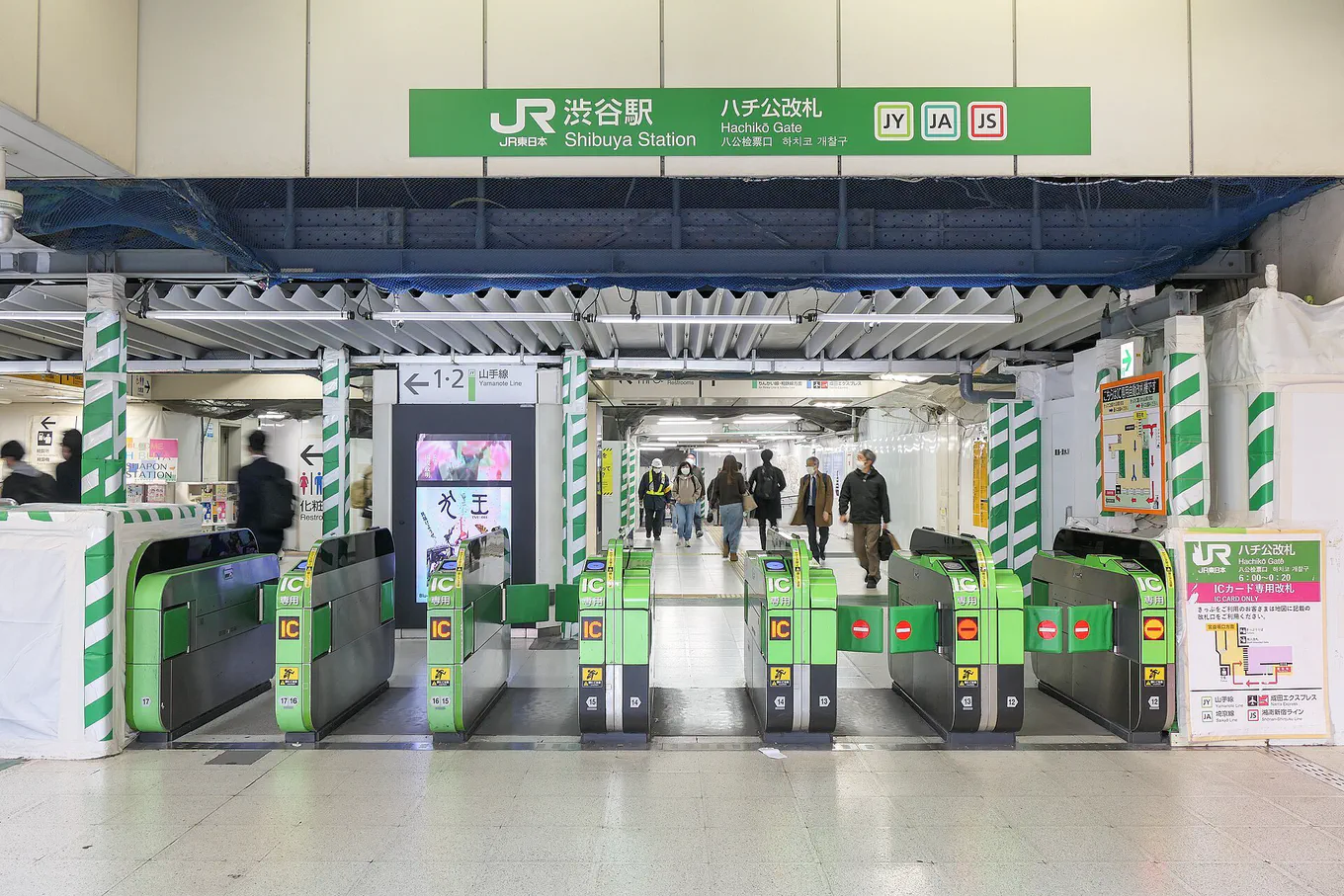
Stand here. The Hachikō Exit of Shibuya Station. His 1948 bronze statue is a popular meeting spot, and bronze paw prints mark where he waited.
Richard Gere starred in Hachi: A Dog’s Tale, which retold a true story from this station. At the end of each day, an Akita called Hachikō met his owner, Professor Ueno, here. On 21 May 1925, Ueno died at work and never came back. Hachikō kept coming, almost daily, for nine and a half years. He grew famous, strangers brought him food, and he was there when his statue was unveiled. In 2015, the University of Tokyo’s Faculty of Agriculture put up another, of the professor coming home at last and Hachikō jumping up to greet him.
How Godzilla came to crush the Ginza clock tower
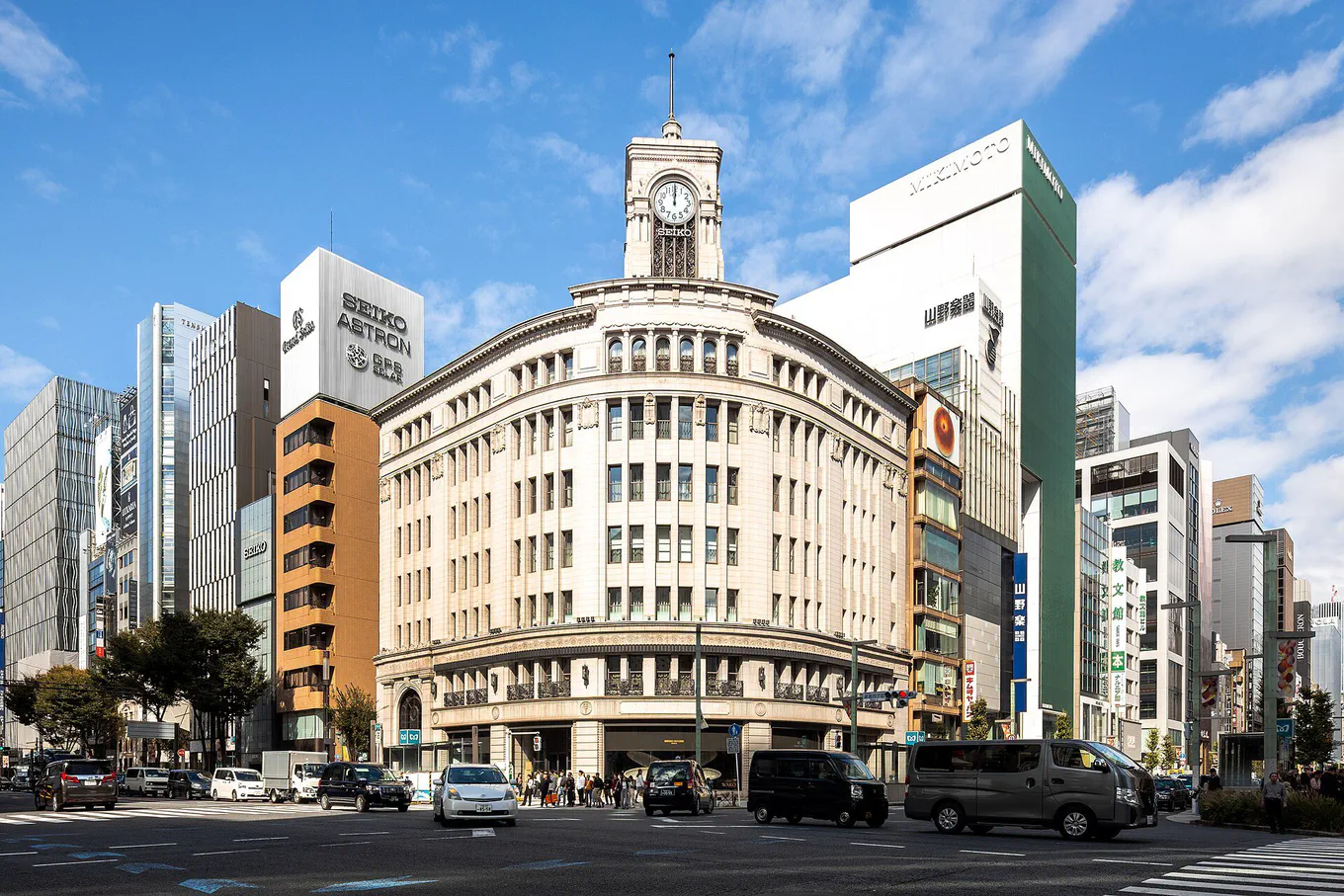
Stand here. The Ginza 4-chome crossing. The 1932 Wako clock tower, now Seiko House Ginza, plays the Westminster Chimes.
Godzilla was born on a flight home. In 1954, the producer Tomoyuki Tanaka failed to rescue a film deal in Jakarta. On the way back, he thought of a giant monster. He had in mind the Lucky Dragon No. 5, a Japanese tuna boat caught that March in fallout from an American hydrogen-bomb test. The director gave Godzilla the characteristics of an atomic bomb, and carpenters spent a month building a scaled-down Ginza for him to wreck. In the film, Godzilla destroys this clock tower. The real one still chimes.
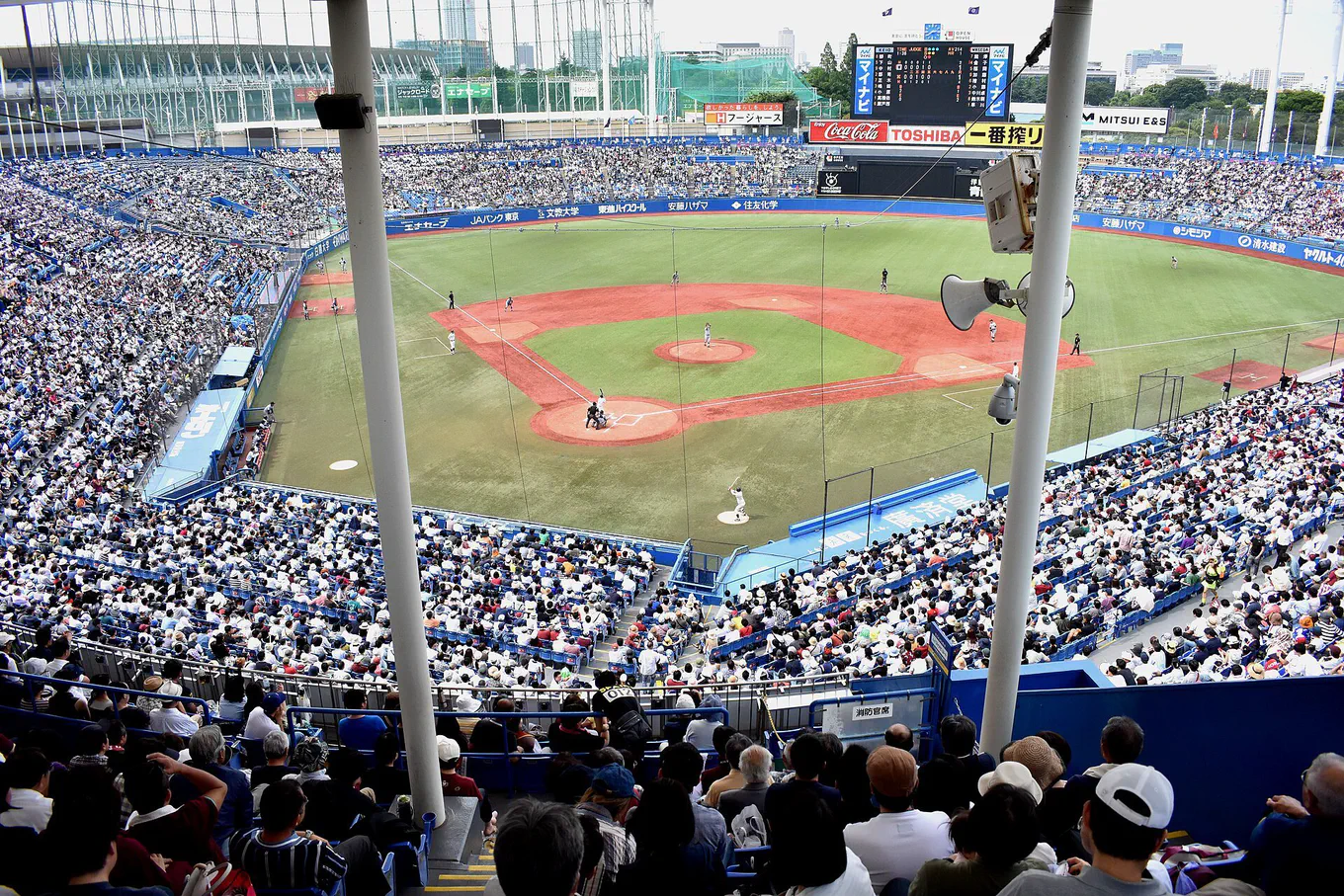
Haruki Murakami decides to write a novel at Jingu Stadium
Stand here. Meiji Jingu Stadium, home of the Tokyo Yakult Swallows. Under a 2019 plan, it will be demolished and rebuilt on the rugby ground’s site.
Before Norwegian Wood made him famous, Haruki Murakami ran a jazz bar, in debt, and had never written anything. One April afternoon in 1978, he watched the Swallows open their season here. Their first batter, an unknown American called Dave Hilton, hit the first pitch for a double, and, by Murakami’s own account, the thought struck him: “I think I can write a novel.” He bought paper and a fountain pen, and wrote at his kitchen table each night after work. The next year, that book won a prize for new writers.
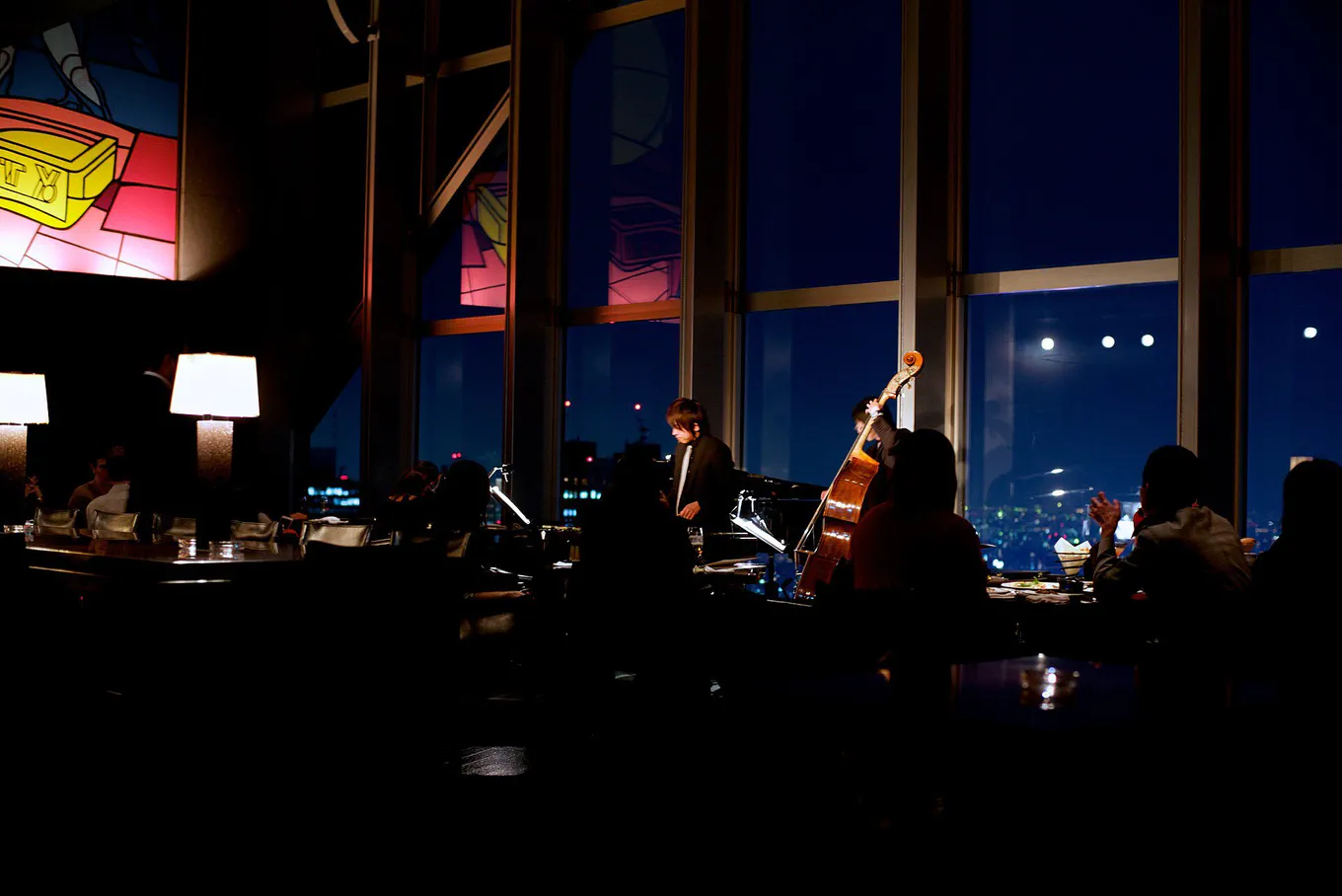
Sofia Coppola waits for Bill Murray at the Park Hyatt
Stand here. New York Bar & Grill, on the 52nd floor of the Park Hyatt Tokyo in Shinjuku. The hotel reopened in December 2025, bar and all.
Sofia Coppola began imagining Lost in Translation while staying at this hotel, and she wanted Bill Murray from the start. She said she wouldn’t have made it without him. Murray was known as a recluse who was hard to reach, and she chased him with messages and letters for months. When he finally agreed, he signed no contract. Coppola spent a million dollars, a quarter of her budget, not knowing whether he would come to Tokyo. He arrived days before filming began.
Pack nothing. Leave Friday.
Every Friday, I write a free letter, Journey, that takes us on a trip through places, stories, and ideas.
Sanshirō(Natsume Sōseki, 1908). A novel. A student arrives at the University of Tokyo and gets to know the place, his fellow students, and his professors.
Norwegian Wood(Haruki Murakami, 1987). A novel, the one that made Murakami famous. Its main character lives in a dormitory modelled on Wakeijuku, in Mejirodai, Bunkyō.
Underground(Haruki Murakami, 1997). Non-fiction. Murakami’s book about the 1995 sarin gas attack by Aum Shinrikyo on the Tokyo subway.
Convenience Store Woman(Sayaka Murata, 2016). A novel. Keiko, 36, works part-time at a Tokyo convenience store.
Films to watch before you visit Tokyo
Tokyo Story(Yasujirō Ozu, 1953). A film. Its characters spend an afternoon in Ueno Park, then split up to look for somewhere to stay the night.
Lost in Translation(Sofia Coppola, 2003). A film. Bill Murray and Scarlett Johansson as two disillusioned Americans in Tokyo, with scenes in the Park Hyatt’s 52nd-floor New York Bar.
Your Name(Makoto Shinkai, 2016). A film. On the steps of Suga Shrine, Taki calls out to Mitsuha, and they ask each other’s names at the same moment.
Perfect Days(Wim Wenders, 2023). A film. Hirayama cleans public toilets for the Tokyo Toilet project in upscale Shibuya.
Questions
Where is the Hachikō statue in Shibuya?
Outside the Hachikō Exit (Hachikō-guchi) of Shibuya Station, in the square in front of the station. Today’s bronze dates from 1948. It replaced the 1934 original, which was melted down in the war, and it is a popular meeting spot. Bronze paw prints mark where Hachikō waited.
Can you visit the graves of the 47 rōnin?
Yes. They are at Sengaku-ji, a temple in Takanawa, Minato, three minutes’ walk from exit 2 of Sengakuji Station. The graves of the rōnin and their lord are a National Historic Site. Visitors are asked for a ¥500 incense offering, there is a museum, and a festival is held each December.
Why is Tokyo called Tokyo?
The name means ‘Eastern Capital’. Edo had been the seat of the Tokugawa shoguns since 1603. In 1868, after the Meiji Restoration, the imperial capital moved east from Kyoto, and on 3 September that year Edo was renamed Tokyo.