In 1814, Wellington fought the Battle of Toulouse four days after Napoleon had already abdicated. Nobody had told him. One of those ‘sorry, didn’t see your email’ moments.
— Nick
Toulouse stands on the River Garonne in southern France, the seat of the Occitania region. It was the capital of the Visigothic Kingdom in the 5th century, and today Airbus has its headquarters here. Its stories here are a saint’s homecoming, a lawyer’s margin note, a merchant Voltaire cleared, a battle fought after the war ended, and an airmail line the experts called impossible.
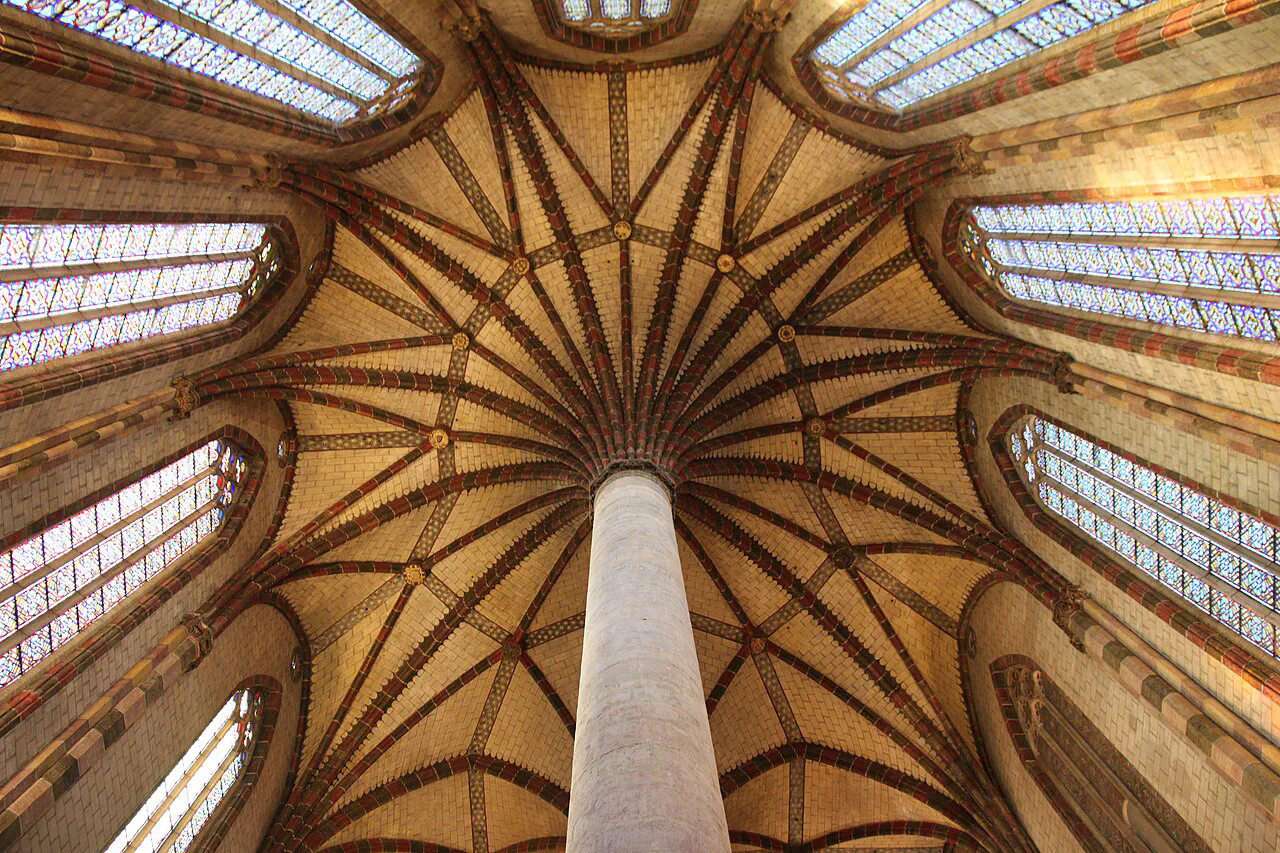
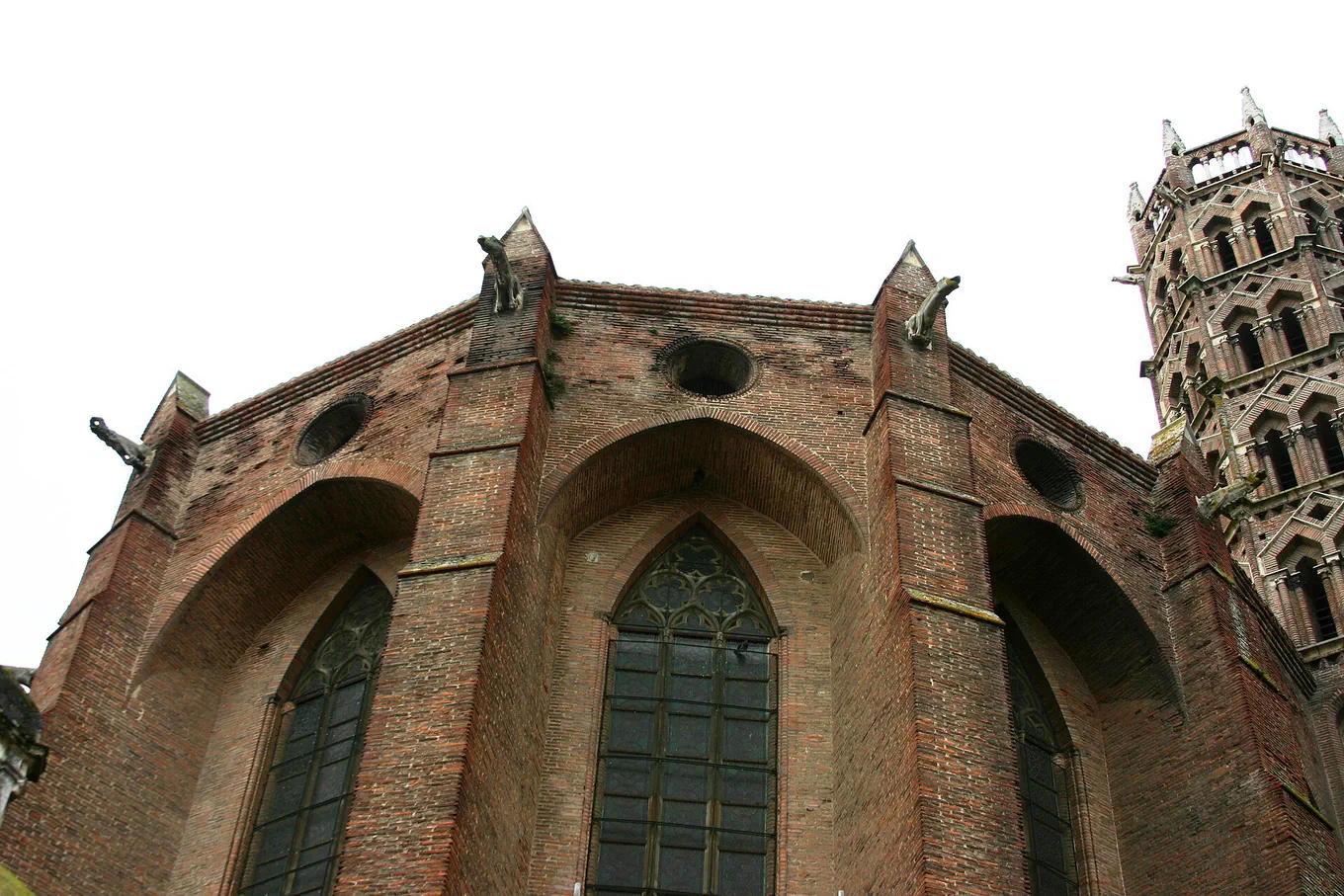
When Thomas Aquinas, the Italian theologian and Doctor of the Church, died at Fossanova Abbey in Italy, its monks kept his body. But the Dominicans wanted him in Toulouse, where Saint Dominic had founded his community of preachers, and in 1369, on Pope Urban V’s orders, the remains arrived there. At the Revolution, the friars were driven out, the relics went to Saint-Sernin, and the church became stables, then Napoleon’s barracks. In 1974, seven hundred years after he died, Aquinas came back.
2 Pierre de Fermat, the Toulouse lawyer with a narrow margin
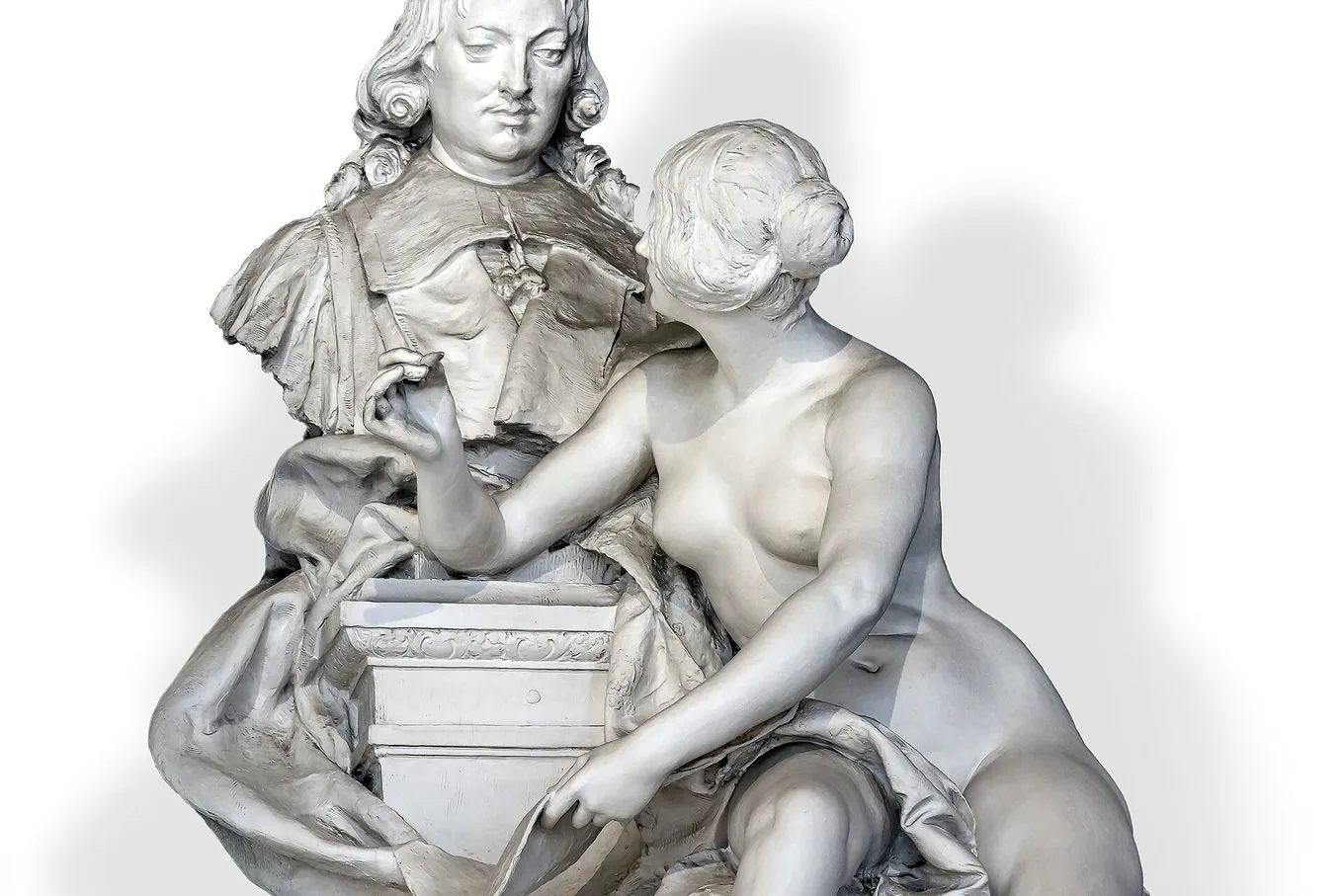
Stand here. The Salle des Illustres in the Capitole, Toulouse’s city hall, where Théophile Barrau’s bust Fermat et sa muse (1898) stands.
Fermat’s Last Theorem began as a note. Pierre de Fermat was a lawyer and a councillor at the Parlement of Toulouse, one of France’s high courts, and mathematics was his hobby. Around 1637, in the margin of his copy of the Arithmetica, he wrote down a theorem and added, “I have discovered a truly marvellous proof of this, which this margin is too narrow to contain.” After his death, his son brought out a new edition of the book. It took 358 years, and a British mathematician, Andrew Wiles, to prove it.
3 Jean Calas, Voltaire, and the shop on rue des Filatiers
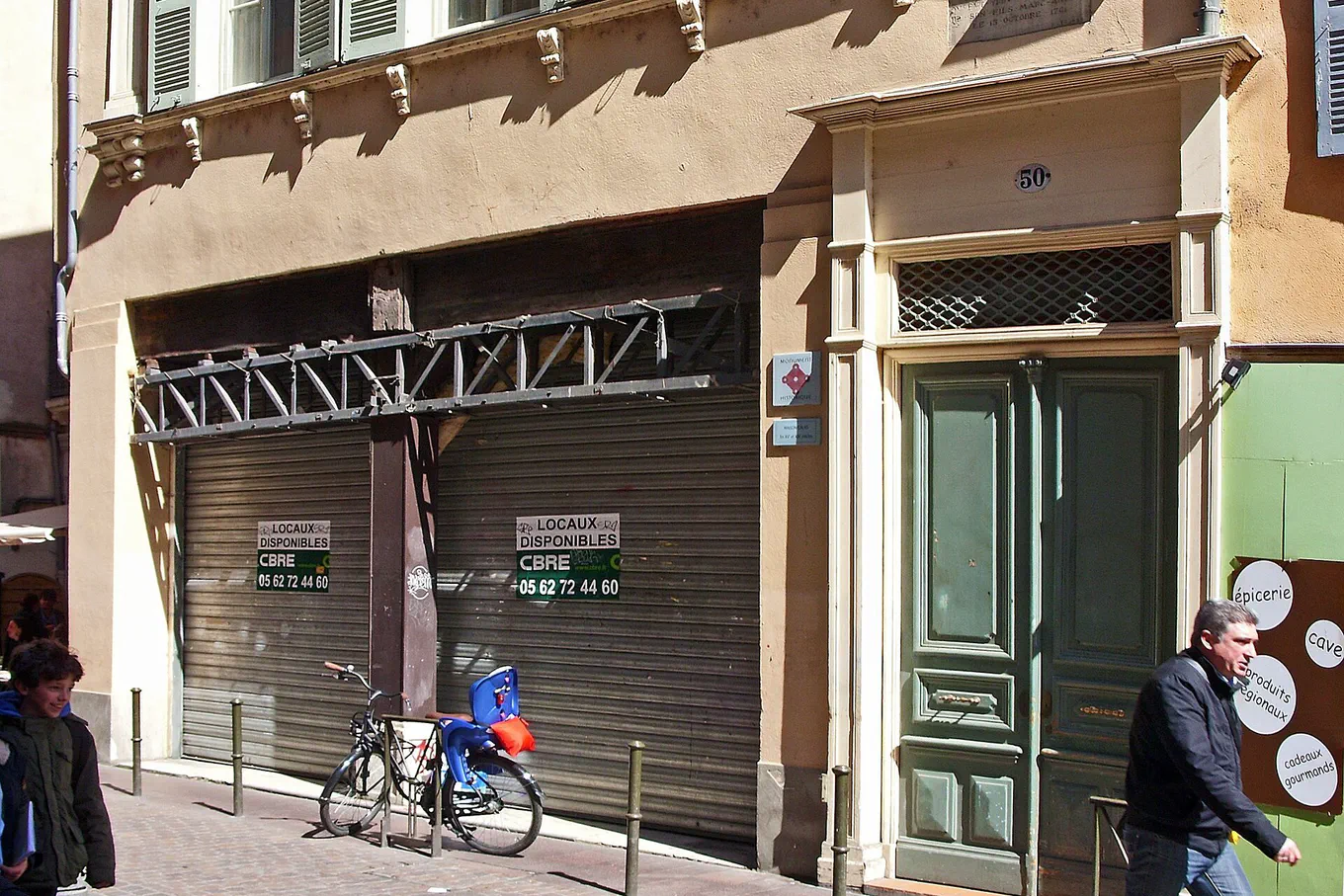
Stand here. Rue des Filatiers, at no. 50, still a main shopping street. The Calas house is a listed monument, with a wide shopfront and side door.
A death in this house began the case behind Voltaire’s Treatise on Tolerance. In 1761, Marc-Antoine Calas was found dead in the back of his father’s cloth shop. The family were Protestants in Catholic France, and rumour said Jean Calas had killed his son to stop him turning Catholic. The family said they had found him hanged. Under torture, Jean declared his innocence, but the next March he was broken on the wheel. His son Pierre, exiled to Geneva, convinced Voltaire, whose campaign cleared Jean’s name three years too late.
4 Wellington’s Battle of Toulouse, fought after the war ended
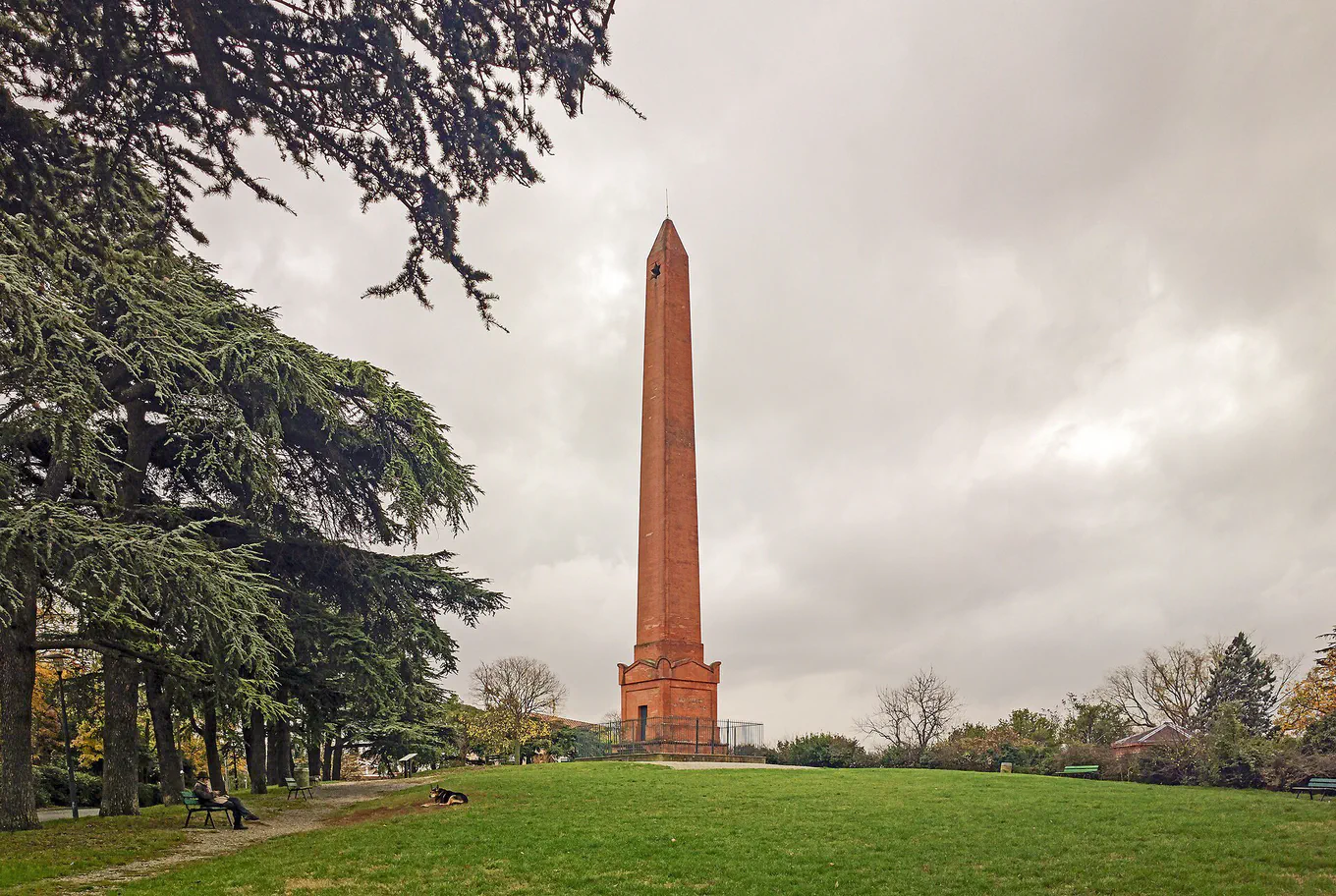
Stand here. The Parc de la Colonne at Jolimont, on the heights the armies fought over. A brick obelisk about 30 metres high marks the battle.
A year before Waterloo, Wellington fought for Toulouse without knowing that the war was over. On Easter Sunday 1814, his British, Portuguese, and Spanish army attacked Marshal Soult’s French army on the heights east of the city and took them, at a cost of thousands of casualties on both sides. Two days later, Soult had gone, and Wellington entered Toulouse in triumph, cheered by royalists. That afternoon, news reached him from Bordeaux. Napoleon had abdicated four days before the battle began.
5 Saint-Exupéry and the impossible airmail line from Montaudran
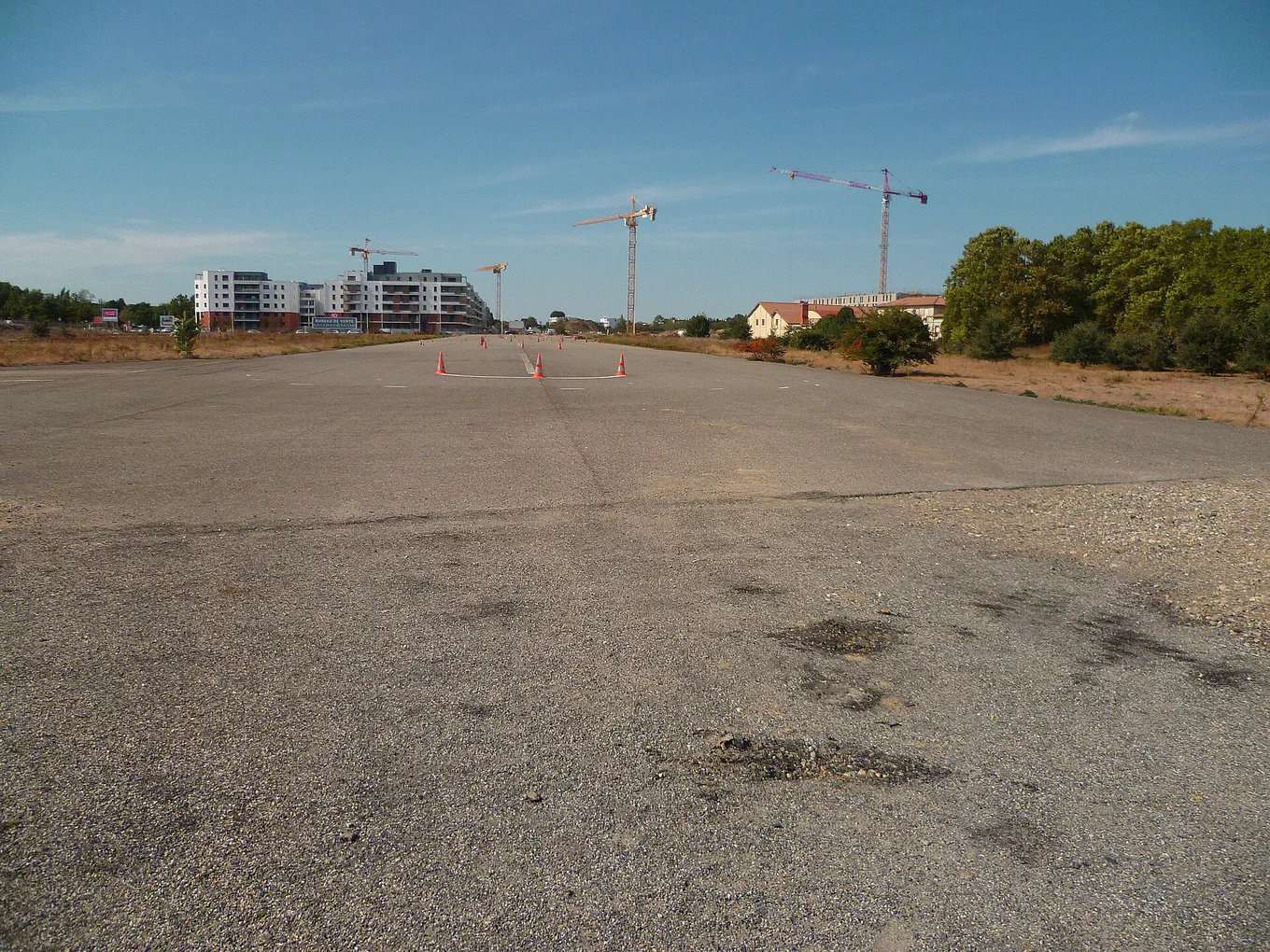
Stand here. L’Envol des Pionniers, a museum in part of the old Latécoère factory at Montaudran, on the old runway.
The old runway of Montaudran aerodrome in Toulouse, where the Latécoère airmail flights took off.Olybrius / Public domain.
Antoine de Saint-Exupéry, the author of The Little Prince, flew mail from Toulouse to Dakar for a line the experts called impossible. Pierre-Georges Latécoère, its founder, wanted an airmail route from France to Senegal and South America. His own sums agreed with the experts. By his operations chief’s account, he said the only thing left was to do it. On Christmas Day 1918, he took off for Barcelona. In 1930, one of the line’s pilots, Jean Mermoz, flew the mail across the South Atlantic.
Treatise on Tolerance(Voltaire, 1763). An essay, written after Jean Calas, the Protestant merchant of rue des Filatiers, was tortured and executed in Toulouse in 1762.
The Return of Martin Guerre(Natalie Zemon Davis, 1983). A history of a real case. During a trial at the Parlement of Toulouse, a man with a wooden leg arrived, claiming to be the true Martin Guerre.
Southern Mail(Antoine de Saint-Exupéry, 1929). A novel. Its pilot, Jacques Bernis, flies the Latécoère mail from Toulouse to Casablanca and Dakar.
Films to watch before you visit Toulouse
The Return of Martin Guerre(Daniel Vigne, 1982). A film of the same case, which reaches the Parlement of Toulouse, where the judge, Jean de Coras, prepares to acquit the man on trial.
Lemming(Dominik Moll, 2005). A psychological thriller film in which an engineer and his wife move to a Toulouse suburb. It was shot at a villa in the hills of Pech David.
My Favorite Season(André Téchiné, 1993). A drama film whose character Antoine moves to a small apartment in Toulouse. Principal shooting took place in Toulouse and the Haute-Garonne department.
Questions
Where is Thomas Aquinas buried?
In the Church of the Jacobins in Toulouse. Pope Urban V had his remains moved there from Italy, where he died in 1274, and they arrived in 1369. They were taken to Saint-Sernin at the Revolution and came back to the Jacobins in 1974.
Where did Saint-Exupéry stay in Toulouse?
At the Grand Balcon hotel, on the corner of rue des Lois and rue Romiguières, whose balcony looks over the place du Capitole. It was the Aéropostale pilots’ stopover from 1919. Saint-Exupéry had room 32, and Jean Mermoz room 20.
Why is Toulouse called the Pink City?
Because so much of it is built of pinkish terracotta brick, which earned it the nickname La Ville rose, the Pink City. The Capitole, Toulouse’s city hall, completed in 1760, is built in the same pink brick.