I loved Venice because it’s basically history + boats. Very very very busy. If you go, I recommend a side quest to the beach on the Lido to take a break from the crowds. It’s restorative. Byron lived here, and like many monied Brits, he fell for the decayed grandeur of the place. Venice is best at first light, when it hits you like a dream.
— Nick
Until Napoleon conquered it in 1797, Venice was an independent republic. Built on small islands separated by canals in the shallow Venetian Lagoon, it is the capital of the Veneto region in northeastern Italy. Behind a prisoner going over a palace roof come a film star stepping backwards into a canal, a composer writing for orphan girls, a bartender’s loan repaid fivefold and a collector buried beside her dogs.
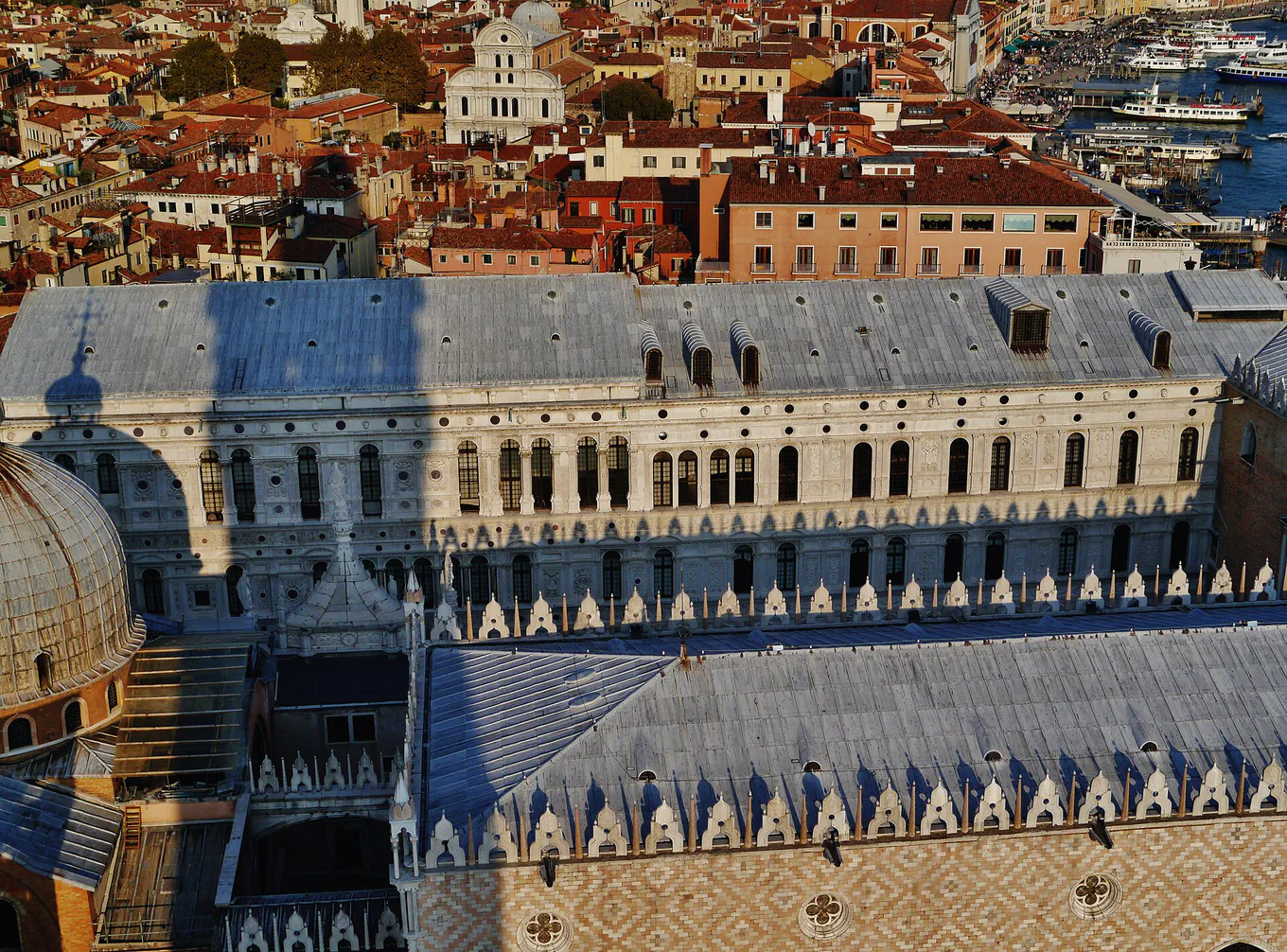
1 Casanova’s escape over the roof of the Doge’s Palace
Stand here. The Doge’s Palace, on Piazza San Marco. Its Secret Itineraries tour passes through the Leads, where both of Casanova’s cells have been rebuilt.
Without a trial, Giacomo Casanova was sentenced to five years in the Leads, the prison under the palace’s lead roof. He dug through his floor, but three days before he meant to go, he was moved. By his own account, he sent an iron spike to Father Balbi, a renegade priest next door, in a Bible under a heaped plate of pasta. The jailer, hoodwinked, carried it. On 1 November 1756, the two broke out onto the roof in fog. By six that morning, they were in a gondola, free.
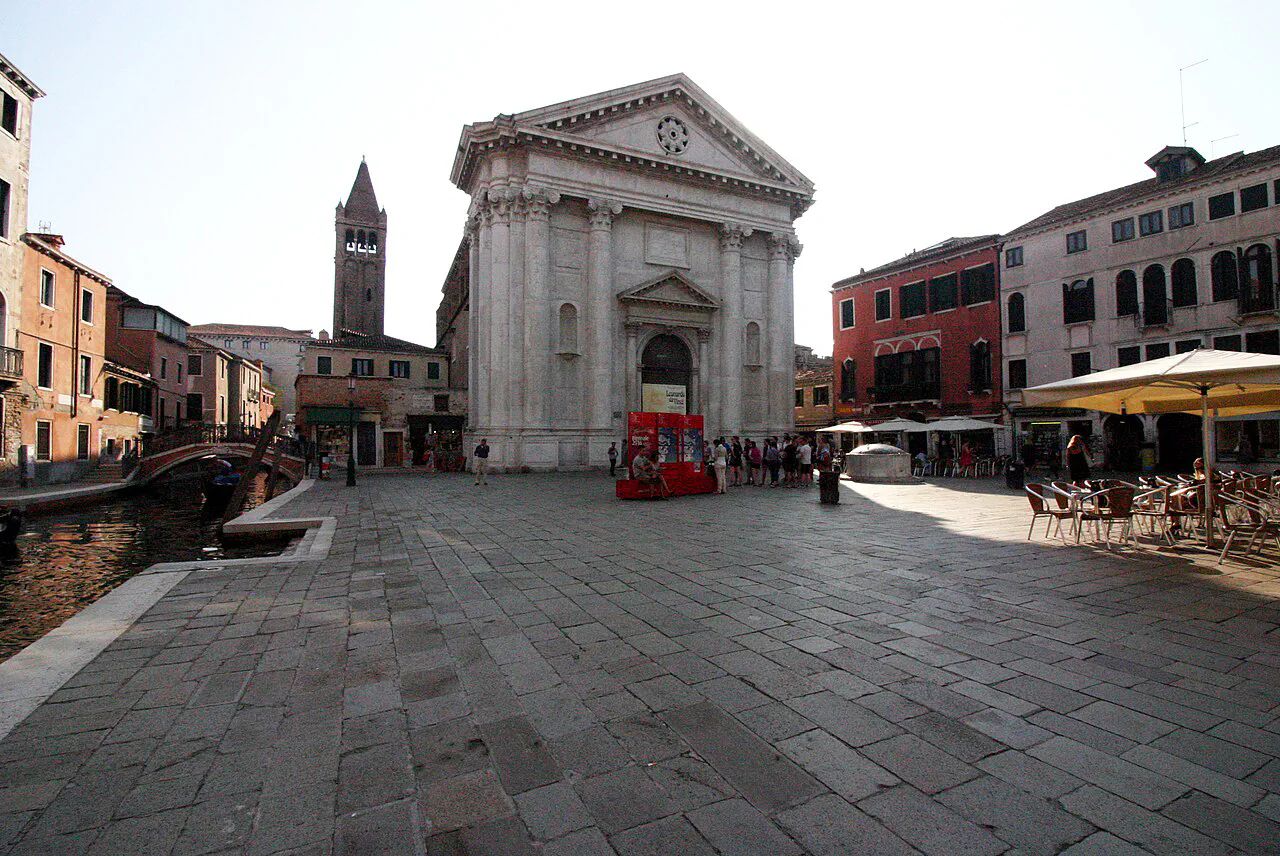
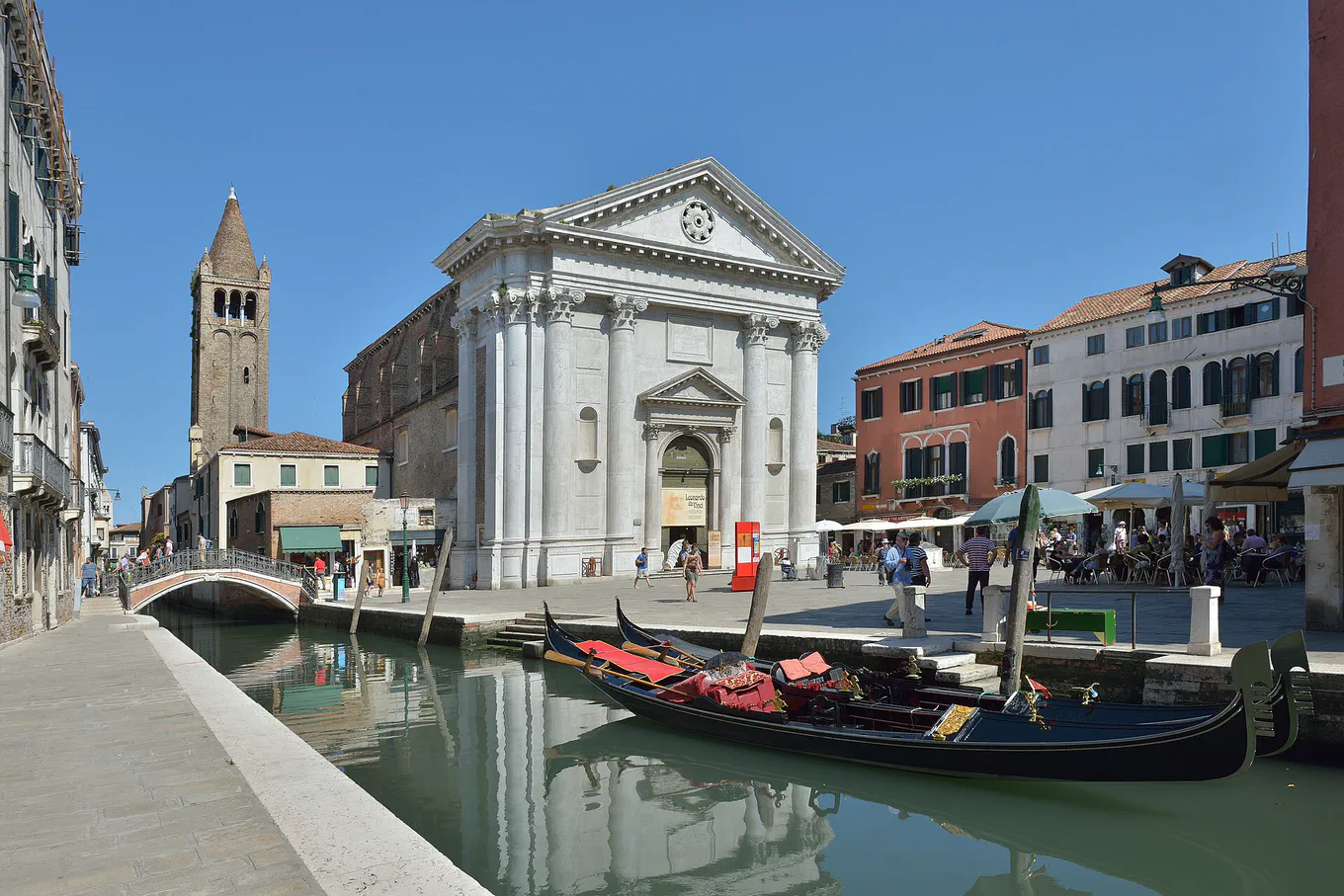
2 Katharine Hepburn’s fall into the canal at Campo San Barnaba
Stand here. Campo San Barnaba, in Dorsoduro. The church on the square, now deconsecrated, holds exhibitions.
If you’ve seen Indiana Jones and the Last Crusade, you’ve seen this square, because the church’s front plays the library where Indy seeks his father. In 1954, Katharine Hepburn filmed David Lean’s Summertime here. Her character steps backwards into a canal. Hepburn asked for a double, but Lean needed her face in shot, so he had disinfectant poured into the water. Afterwards she bathed and gargled, but never thought to wash her eyes. By morning the whites were crimson, and the infection stayed with her for life.
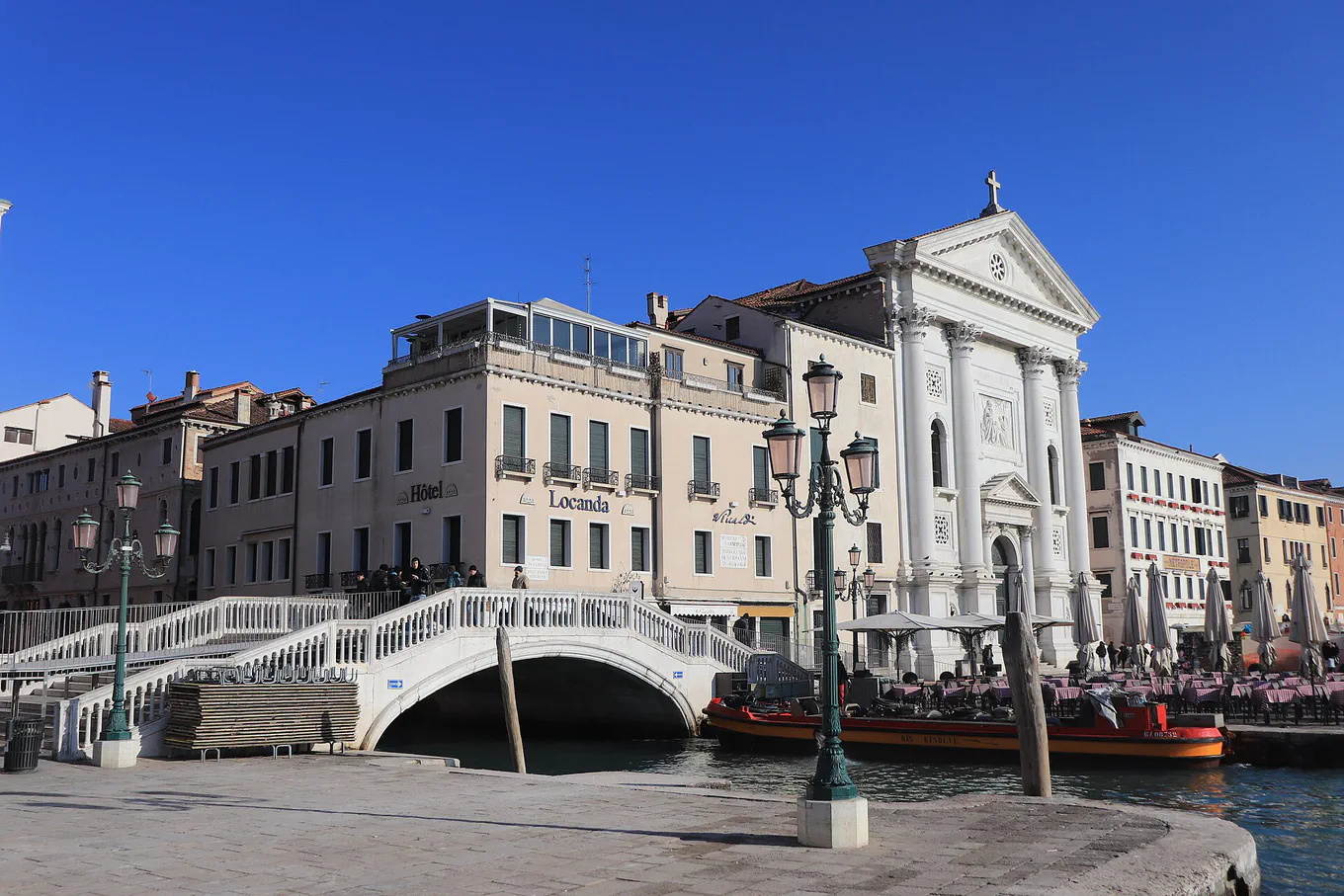
3 Vivaldi and the orphan musicians of the Pietà
Stand here. Santa Maria della Pietà, on the Riva degli Schiavoni. This church went up after Vivaldi’s death, and the old orphanage is now the Metropole hotel.
For decades, the composer of The Four Seasons wrote for orphans. Antonio Vivaldi was violin master at the Pietà, an orphanage and music school for girls, and he wrote many of his works for its all-female ensemble, who played behind a metal grille that separated them from the audience. Later, he moved to Vienna, hoping for the emperor’s support, but the emperor died soon after he arrived. In 1741, Vivaldi died there in poverty and was buried in a simple grave. For almost two centuries, his music faded.
4 The bartender’s loan that opened Harry’s Bar
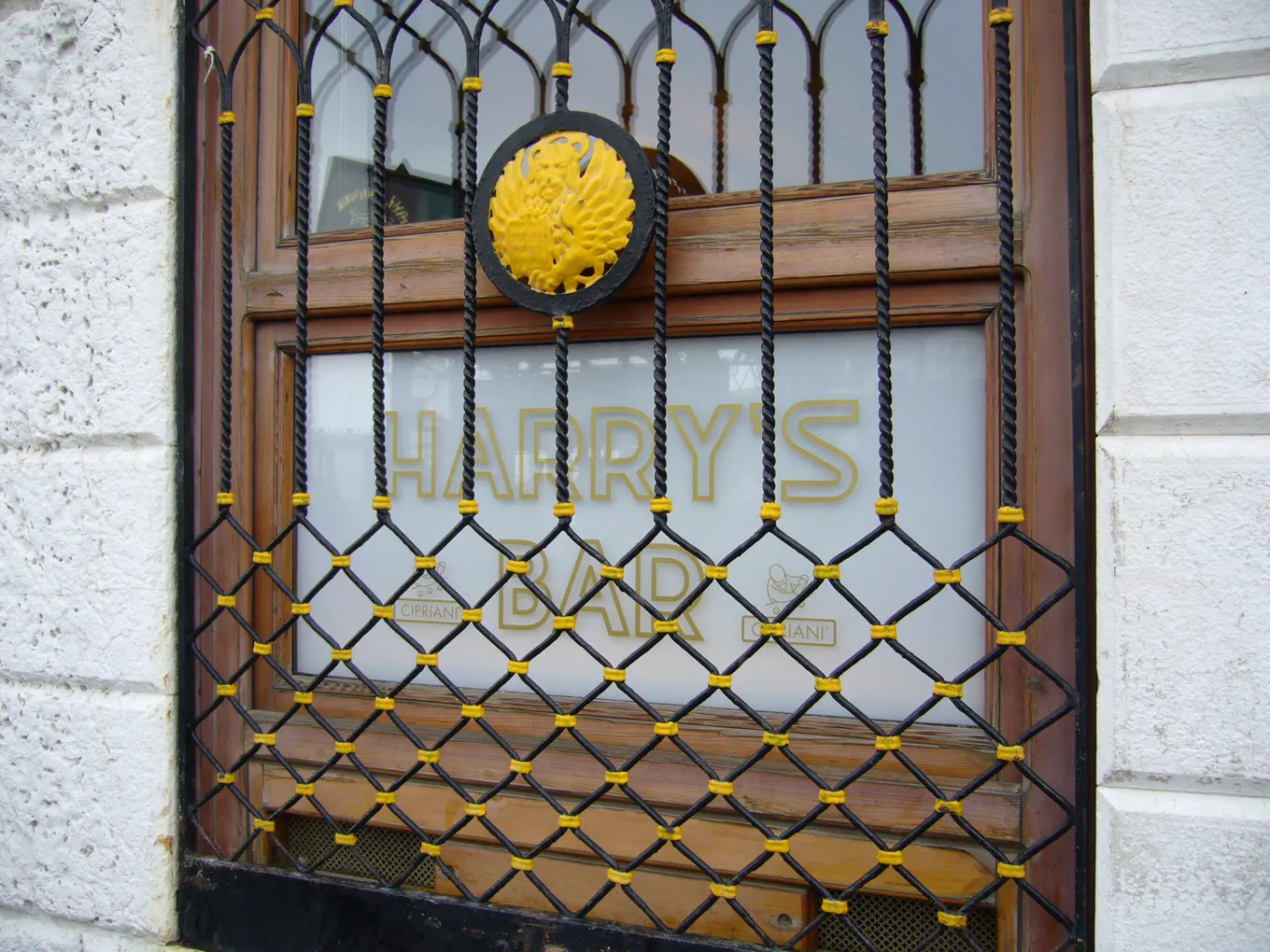
Stand here. Harry’s Bar, Calle Vallaresso 1323. Still a bar and restaurant, it was declared a national landmark in 2001.
Ernest Hemingway made this bar a favourite and wrote it into a novel, but by the company’s own account it began with a loan. Giuseppe Cipriani was a bartender at the Hotel Europa, where a rich young American, Harry Pickering, drank. When Pickering’s family cut him off over his drinking, Cipriani lent him 10,000 lire. Two years later, Pickering came back, ordered a drink, and handed over 50,000. That was the loan, he said, and 40,000 more, enough to open a bar. “We will call it Harry’s Bar.”
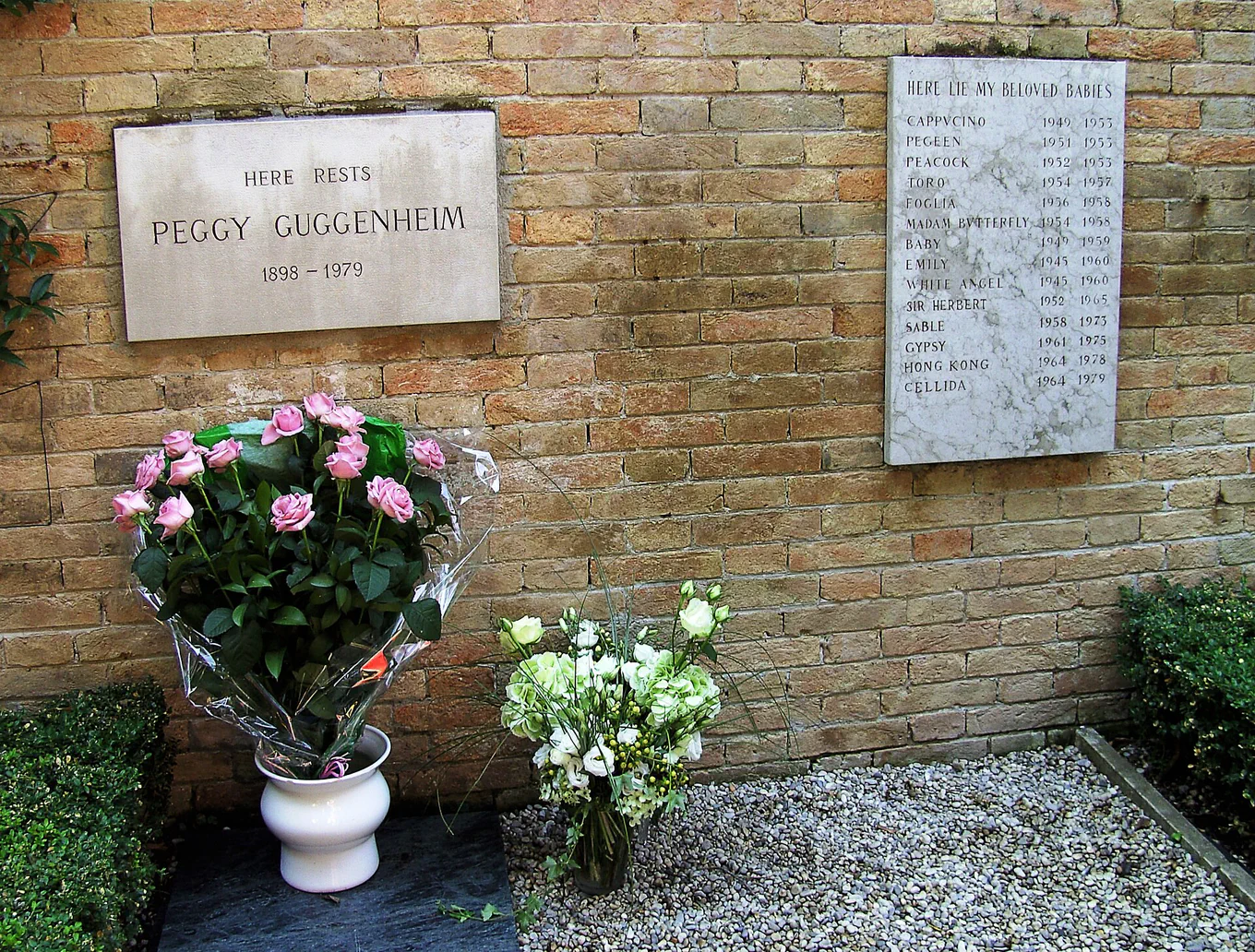
The Titanic took Peggy Guggenheim’s father when she was a girl, and his body was never found. She grew up to collect modern art, showed it at the Venice Biennale, and then bought an unfinished palace on the Grand Canal, one storey built of a planned five. She lived there for thirty years. When she died in 1979, her ashes went into a corner of the garden, beside her dogs’ tomb. The plaque above it begins “Here lie my beloved babies”, and names all fourteen.
Pack nothing. Leave Friday.
Every Friday, I write a free letter, Journey, that takes us on a trip through places, stories, and ideas.
Death in Venice(Thomas Mann, 1912). A novella. Its central character, Aschenbach, takes a suite at the Grand Hôtel des Bains, on the Lido.
Across the River and into the Trees(Ernest Hemingway, 1950). A novel. Harry’s Bar, on Calle Vallaresso, features in it extensively.
The City of Falling Angels(John Berendt, 2005). Non-fiction. Venice in the months after a fire destroyed its opera house, La Fenice, in 1996.
Death at La Fenice(Donna Leon, 1992). A novel. A world-famous German opera conductor has died at La Fenice, the opera house.
Films to watch before you visit Venice
Summertime(David Lean, 1955). A film. Katharine Hepburn as a lonely American secretary touring Venice alone, and her fall into a canal at Campo San Barnaba.
Don’t Look Now(Nicolas Roeg, 1973). A film of a Daphne du Maurier story. A father whose daughter has drowned restores a church, filmed at San Nicolò dei Mendicoli.
Indiana Jones and the Last Crusade(Steven Spielberg, 1989). A film. The church of San Barnaba, in Dorsoduro, plays the outside of the library.
Casino Royale(Martin Campbell, 2006). A film. Bond destroys a palace’s flotation devices, and it lurches and sinks into the Grand Canal.
Francesco’s Venice(Francesco da Mosto, 2004). A four-part BBC Two documentary series. Da Mosto, born in Venice, traces its history from the 5th century, at places including St Mark’s Square and the Rialto Bridge.
Questions
Can you see Casanova’s cell in the Doge’s Palace?
Yes. The Doge’s Palace runs Secret Itineraries tours that pass through the Piombi, or Leads, the prison under the roof. Both cells Casanova occupied have been reconstructed and are part of the tour.
Which church is the library in Indiana Jones and the Last Crusade?
The church of San Barnaba, on Campo San Barnaba in Dorsoduro. Its front plays the library, while the interiors were built at Elstree Studios in London. The church is deconsecrated and now holds exhibitions.
Is Venice sinking?
Slowly. Studies put the rate at 1–2 mm a year, and the sinking has slowed markedly since artesian wells were banned in the 1960s. Subsidence also adds to the seasonal acqua alta, or “high water”.