The very first footage Peter Jackson shot for The Lord of the Rings was on Mount Victoria, a green hill in Wellington, on 11 October 1999. Four hobbits hiding under a tree from a Ringwraith. ‘It’s a dangerous business, Frodo, going out your door.’
Even epic quests start just down the road.
— Nick
Wellington is the capital of New Zealand, at the south-western tip of the North Island, and the world’s southernmost capital of a sovereign state. The capital moved here from Auckland in 1865. The stories are Katherine Mansfield’s birthplace, a ship buried under a bank, votes for women won by a backfiring trick, a building said to start on a napkin, and the first Lord of the Rings scene.
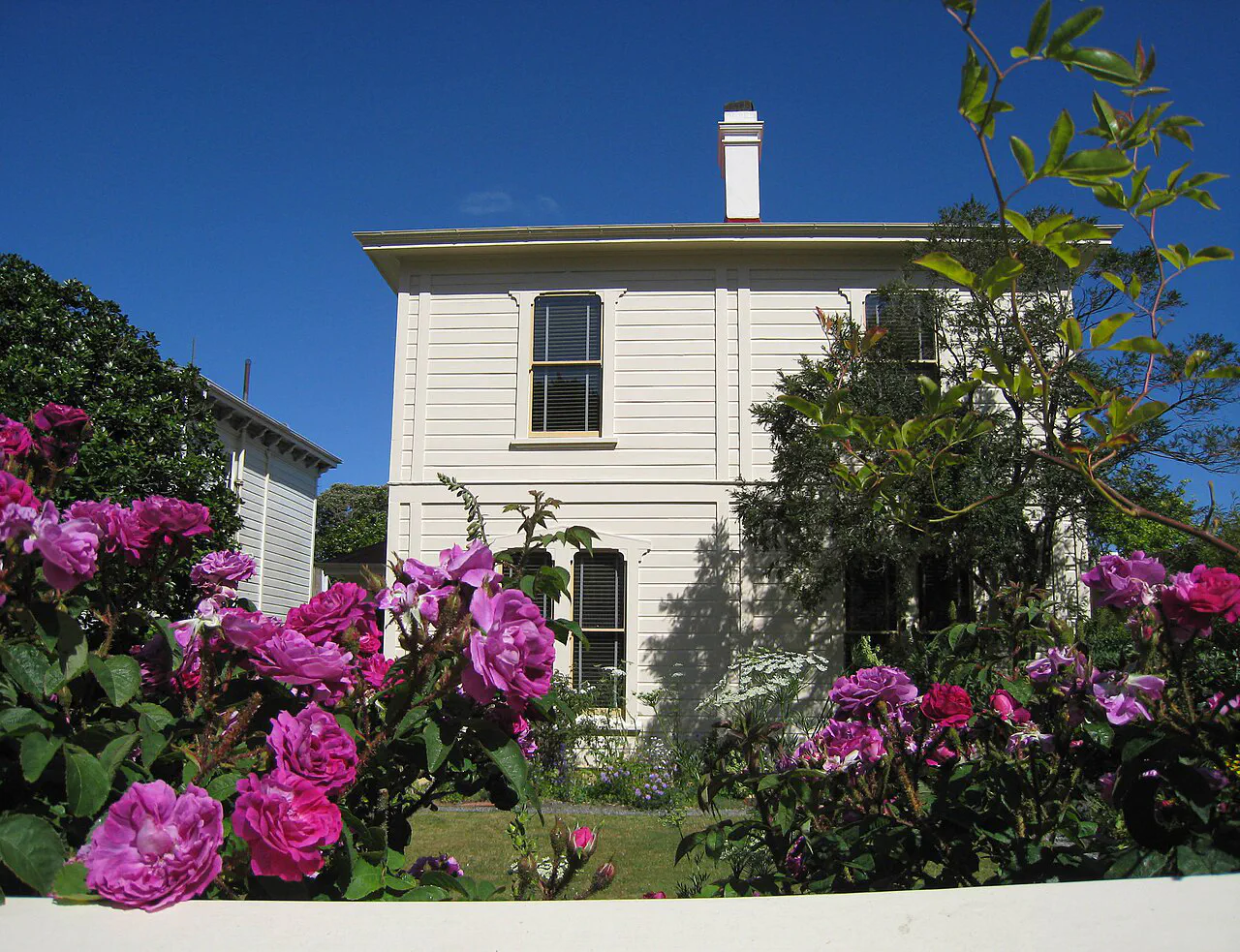
1 Katherine Mansfield’s birthplace on Tinakori Road, Thorndon
Stand here. 25 Tinakori Road, Thorndon. The house her father had built in 1888 is now the Katherine Mansfield House & Garden.
Katherine Mansfield, who wrote “The Garden Party”, was born in this house, but she left New Zealand for London, set on becoming a professional writer. Then, in October 1915, her younger brother Leslie, known as Chummie, was killed in a grenade training drill. She began to take refuge in memories of their New Zealand childhood, and her story “Prelude” includes a passage believed to describe this very house. Tuberculosis killed her at 34. She never saw Wellington again.
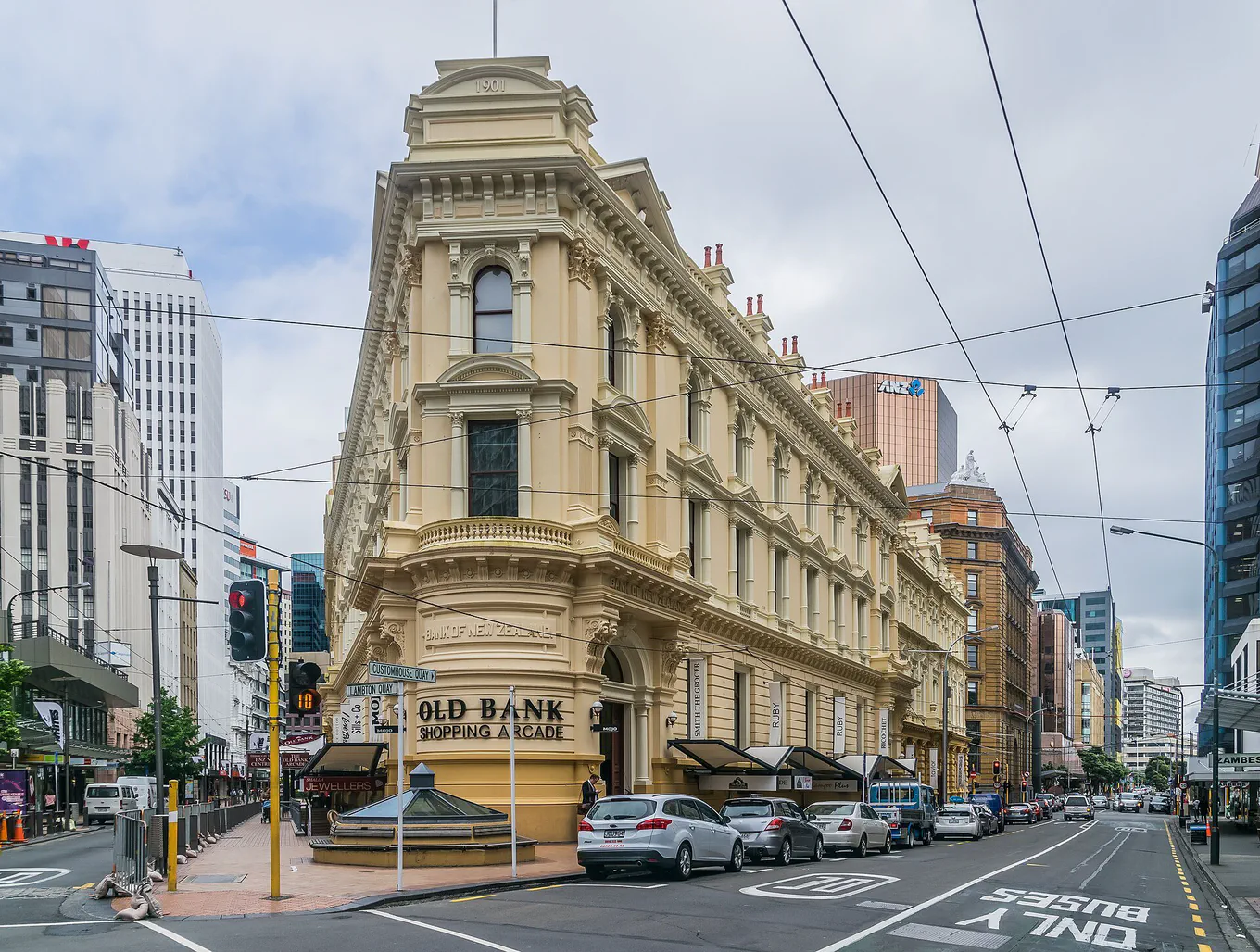
2 John Plimmer’s Ark, buried under the Old Bank Arcade
Stand here. The Old Bank Arcade, on the site of the first Bank of New Zealand. The ship’s bow lies under glass inside.
In 1851, a whaling ship, the Inconstant, ran aground at Wellington while putting in for water, and John Plimmer, the self-styled “Father of Wellington”, bought the wreck. He turned her hull into a warehouse and wharf, and Plimmer’s Ark became a centre of business in the young town. But the waterfront kept expanding, and the Ark ended up landlocked. Her upper works were pulled down, and the hull vanished beneath the first Bank of New Zealand. It stayed there until the late 1990s, when archaeologists dug it up.
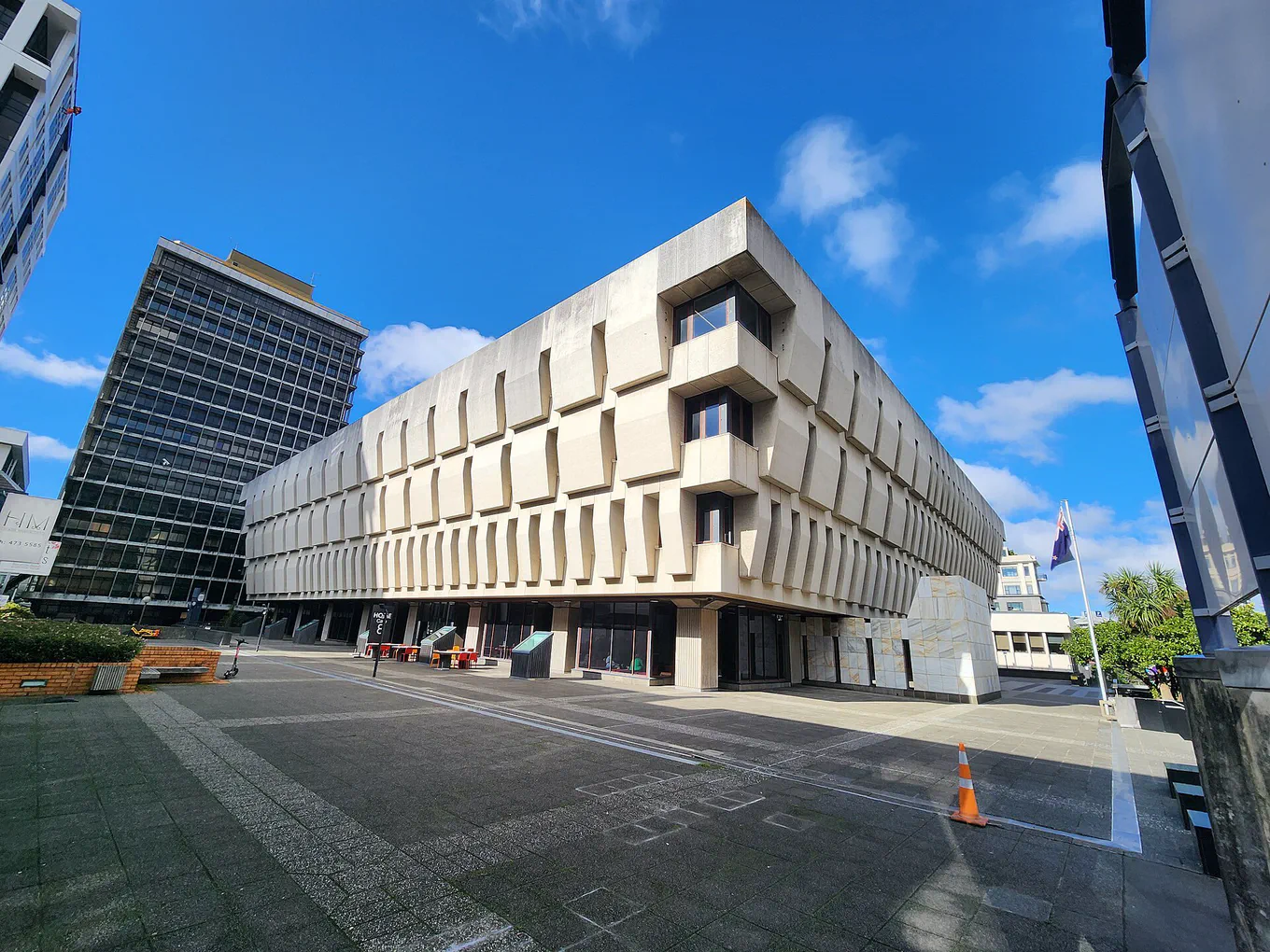
3 Kate Sheppard’s petition and Seddon’s trick that backfired
Stand here. The National Library of New Zealand, on the corner of Aitken and Molesworth Streets. The petition came here in 2017, with the Treaty of Waitangi.
The profile that went on New Zealand’s ten-dollar note in 1991 is Kate Sheppard’s, and she led the movement behind the 1893 suffrage petition, nearly 32,000 signatures, its main roll over 270 metres long. Premier Richard Seddon hoped to stop the suffrage bill, and got one councillor, by wire, to change his vote. But the trick angered two others into changing sides. The bill passed by 20 votes to 18, and New Zealand became the first nation where all women could vote in parliamentary elections.
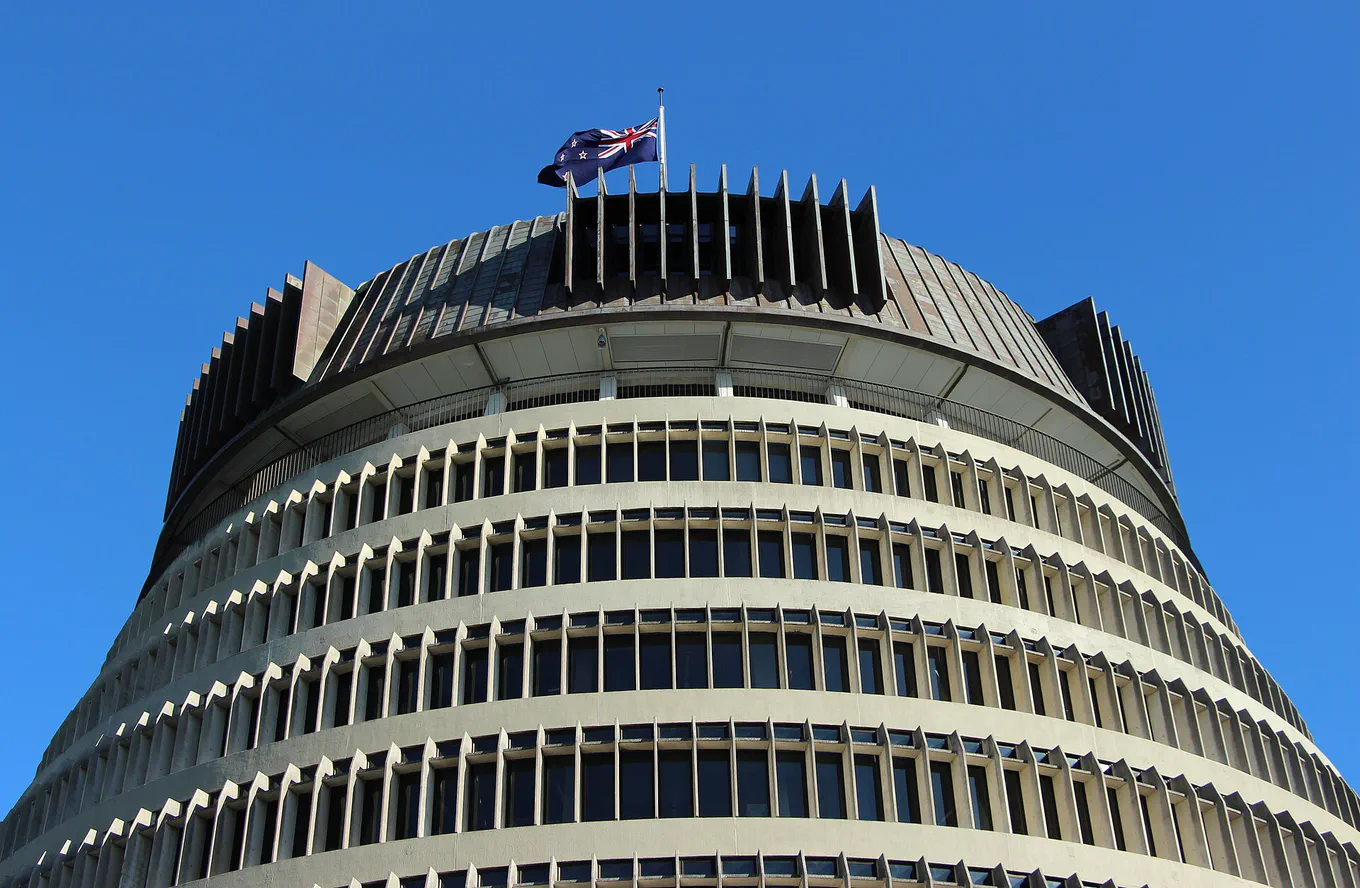
4 Basil Spence and the Beehive napkin legend
Stand here. The Beehive, the Executive Wing of Parliament Buildings. The Cabinet room is on the top floor, with the Prime Minister’s offices just below.
It was Basil Spence, the Scottish architect of Coventry Cathedral, who came up with the Beehive. Prime Minister Keith Holyoake had wanted to finish Parliament Buildings to the original plan, with the missing wing, but the government architect talked him into a modern building. In 1964, Spence offered a round building rising in steps, and legend says he drew it on the back of a napkin over dinner with Holyoake. Spence said otherwise. He had been thinking about the design for months, and it was not “a half-baked idea”.
5 The first Lord of the Rings scene, shot on Mount Victoria
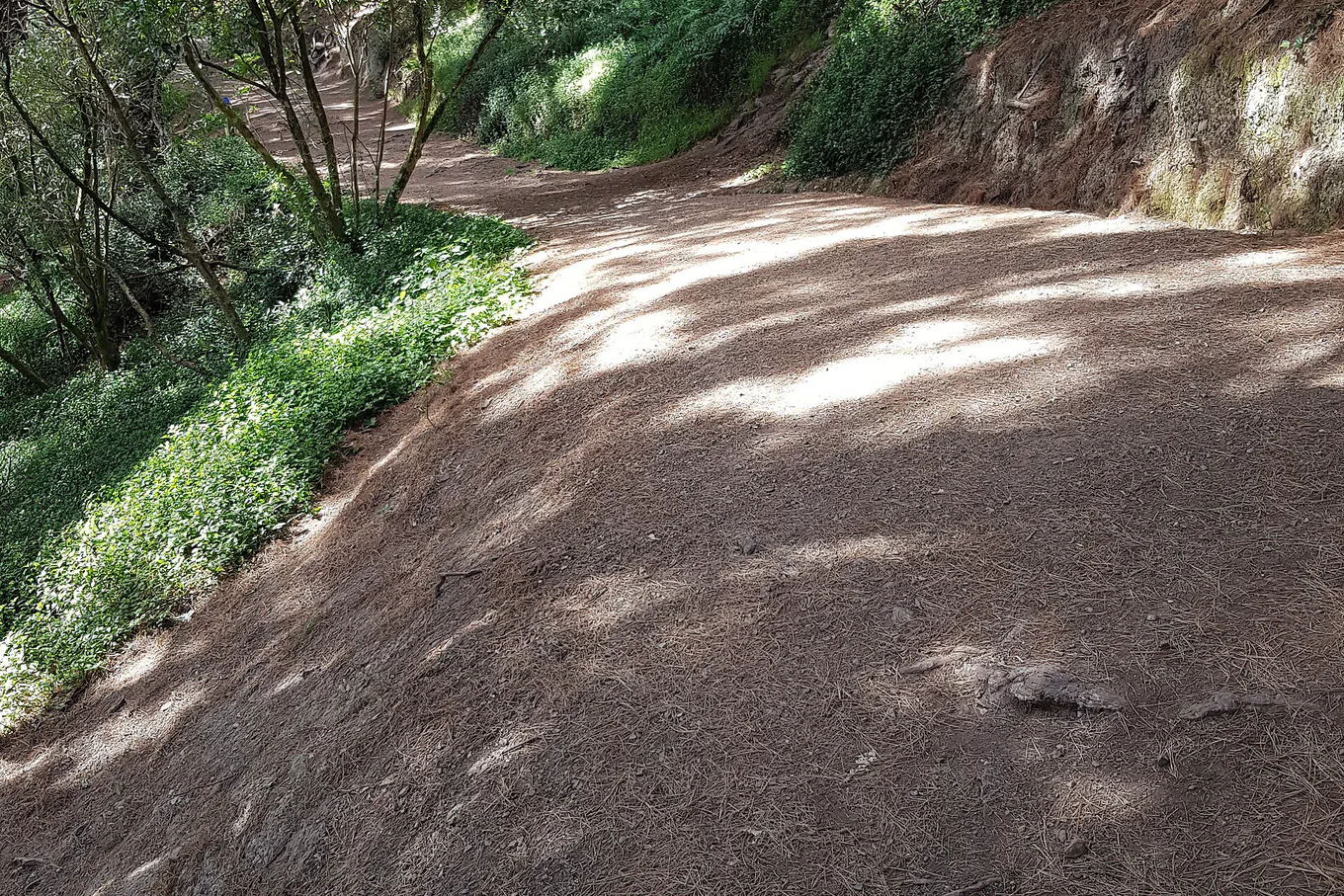
Stand here. Mount Victoria, or Matairangi, a 196-metre hill kept as green space for the city. The scene was shot off Alexandra Road.
If you’ve seen The Fellowship of the Ring, you’ve seen this hill. It plays the wooded road where the hobbits hide beneath a tree from a mounted Ringwraith. Peter Jackson, born in Wellington, shot all three films at once in New Zealand, and on 11 October 1999, this scene was the very first footage. The trilogy took 438 days to shoot, and it began not in the wilds but on a hill in the capital. Four years later, the last film had its premiere back in Wellington.
Pack nothing. Leave Friday.
Every Friday, I write a free letter, Journey, that takes us on a trip through places, stories, and ideas.
The Garden Party(Katherine Mansfield, 1922). A short story. Its luxurious setting is based on her childhood home at 133 Tinakori Road, not her birthplace.
Prelude(Katherine Mansfield, 1918). A short story, based on the Beauchamps’ move to the Wellington suburb of Karori in 1893, with a passage believed to describe her birthplace.
At the Bay(Katherine Mansfield). A longer short story about the Burnell family, set across the harbour from Wellington city at Days Bay, Eastbourne.
Films to watch before you visit Wellington
Braindead(Peter Jackson, 1992). A film. Lionel’s house in it stands on Hinau Road, in the Wellington suburb of Hataitai.
What We Do in the Shadows(Jemaine Clement and Taika Waititi, 2014). A film about four vampire housemates who share a flat in the suburb of Te Aro.
The Lord of the Rings: The Fellowship of the Ring(Peter Jackson, 2001). A film. Its first footage was shot on Mount Victoria, off Alexandra Road.
Questions
Where was the first Lord of the Rings scene filmed?
On Mount Victoria, the 196-metre hill also called Matairangi, off Alexandra Road. The “Get off the road” scene in The Fellowship of the Ring, where the hobbits hide from a Ringwraith, was the very first footage shot for the trilogy, on 11 October 1999.
Where was Katherine Mansfield born?
At 25 Tinakori Road in Thorndon, on 14 October 1888, in a house her father, Harold Beauchamp, had built for the family that year. The address was originally number 11. The house opened as the Katherine Mansfield House & Garden on 14 October 1988, a hundred years to the day after her birth.
Why is Wellington the capital of New Zealand?
The capital moved from Auckland to Wellington in 1865. Auckland had been the capital since 1841, and Wellington was declared a suitable replacement because of its central location in New Zealand and its good harbour.