Yekaterinburg, Russia’s fourth most populous city, lies on the eastern side of the Ural Mountains, which divide Europe from Asia. It was founded in 1723, named after Catherine, wife of Peter the Great, and was called Sverdlovsk until 1991. Its stories are a tsar’s family in a cellar, a writer awaiting arrest, nine hikers who never came home, and a Party boss who pulled down the tsar’s last prison.
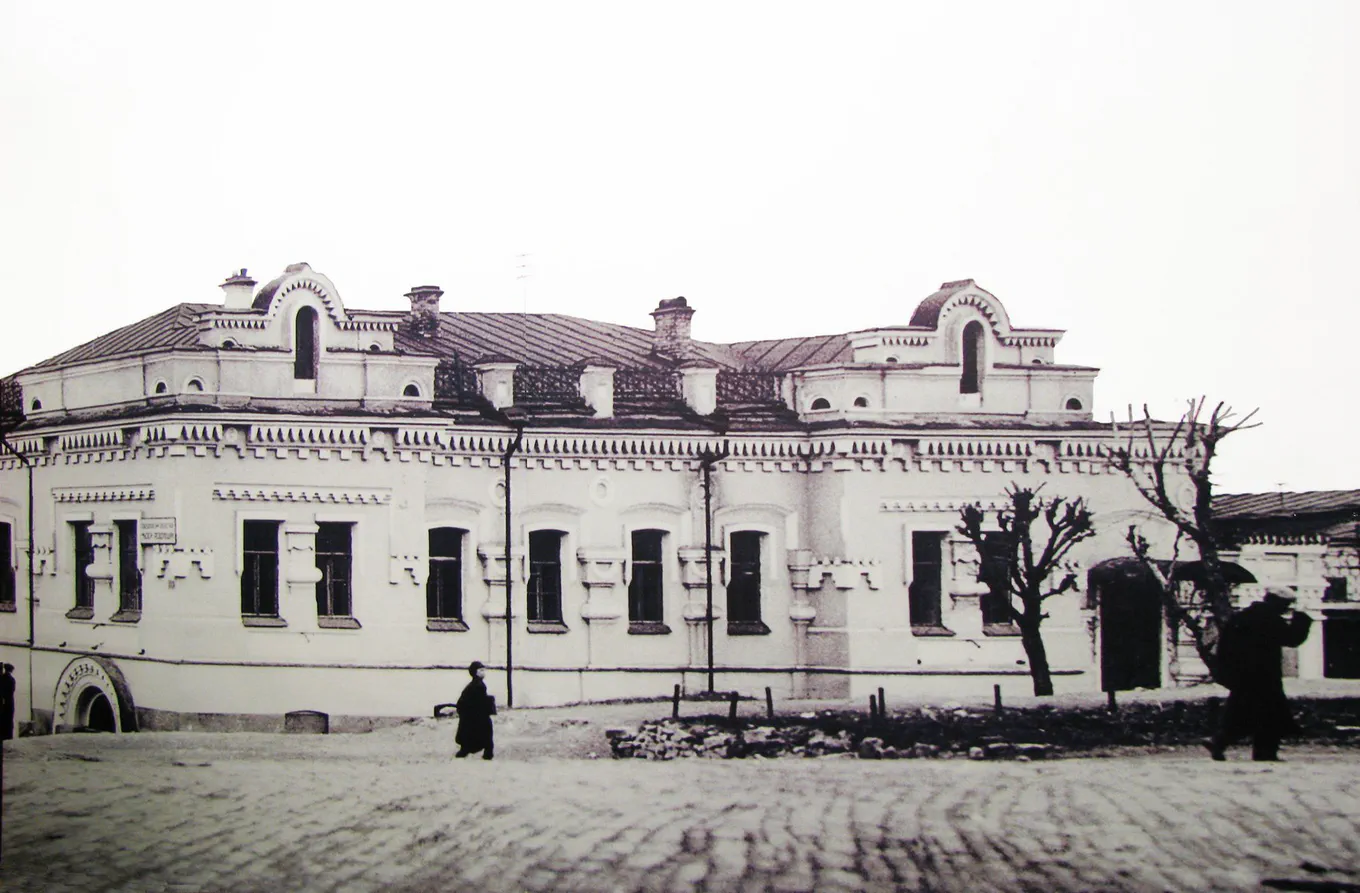
Nicholas and Alexandra, the 1971 film about Russia’s last emperor, takes his family down to a cellar to be shot, as happened here. In 1918, Nicholas II was held here for 78 days with his family. One July night, they were woken and told they were being moved to safety. Instead they were led to the cellar and shot by Bolsheviks.
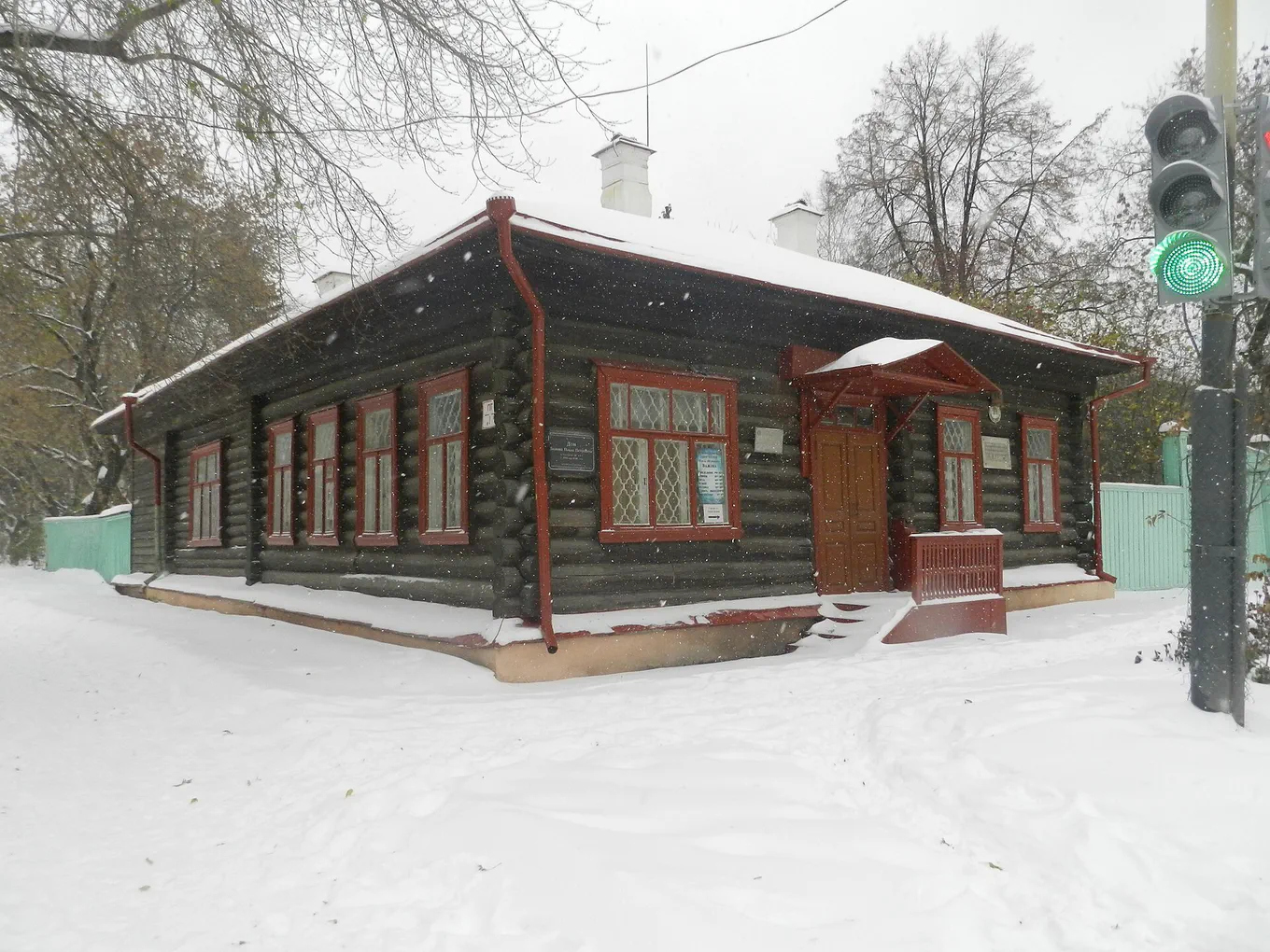
Prokofiev’s ballet The Tale of the Stone Flower comes from stories written in this house by a man waiting to be arrested. In the late 1930s, Pavel Bazhov was sacked and expelled from the Party for “glorification of people’s enemies” in a recent book. He went home, closed the gate, and didn’t go out for more than a year. He wrote tales of Ural miners and the Mistress of the Copper Mountain. They became The Malachite Box, and in 1942 it won the Stalin Prize.
3 The Dyatlov Pass hikers who set out from Sverdlovsk
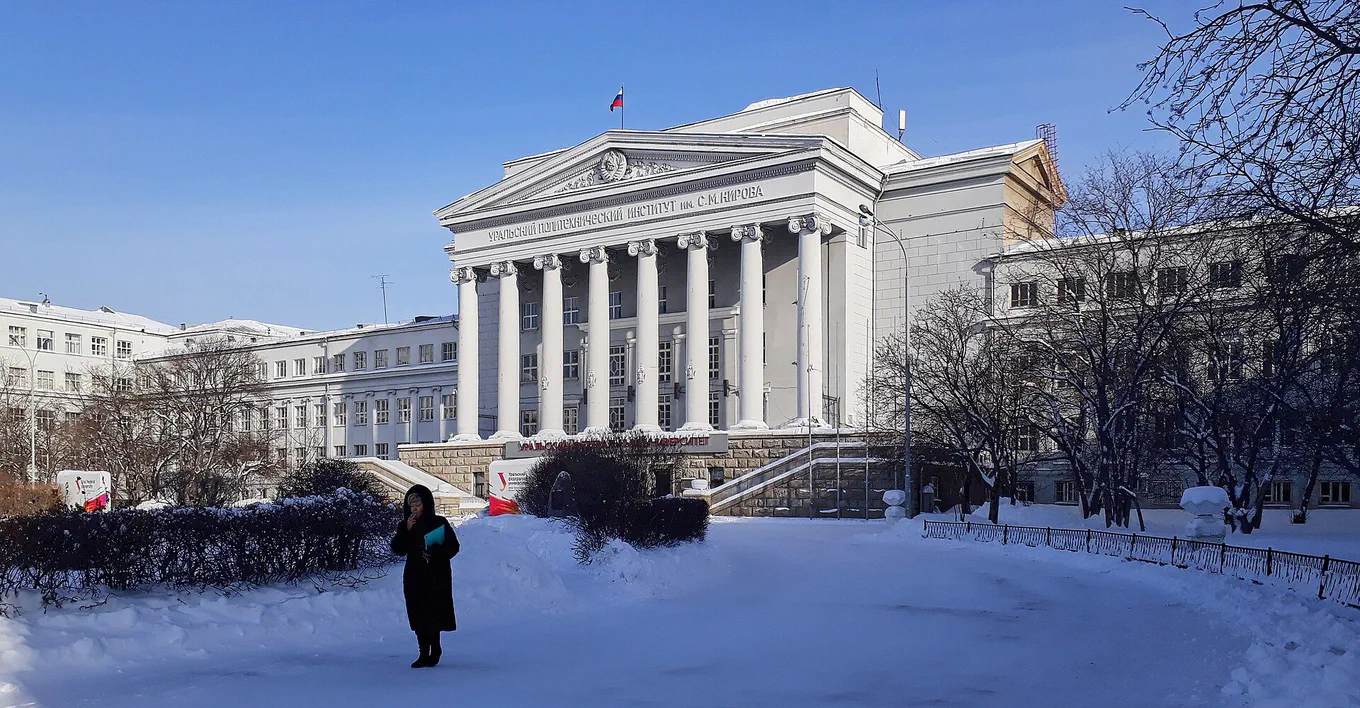
Stand here. The hikers’ shared tomb in Mikhailovskoe Cemetery. Their Ural Polytechnical Institute is now part of Ural Federal University.
The Dyatlov Pass remembers a group of hikers from this city’s Ural Polytechnical Institute. In 1959, Igor Dyatlov led them on a winter trek to Mount Otorten, aiming for the highest Soviet hiking grade. Yuri Yudin turned back with pain in his knees. One night, the other nine cut their tent open from the inside and fled in socks, single shoes, or bare feet. None of them lived. In 2020, Russian authorities concluded that an avalanche had most likely driven them out. Only Yudin came home.
4 Boris Yeltsin and the Ipatiev House he pulled down
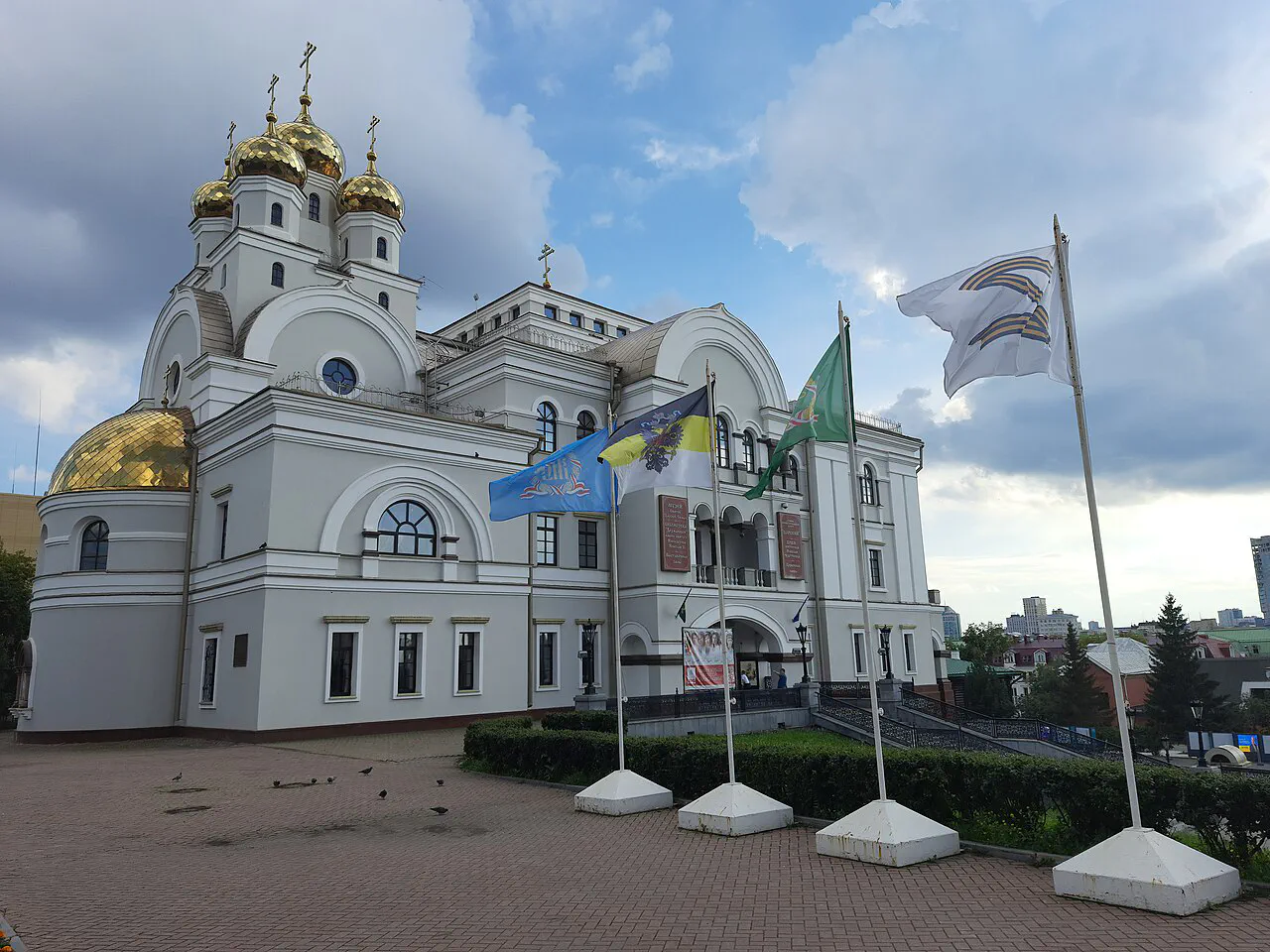
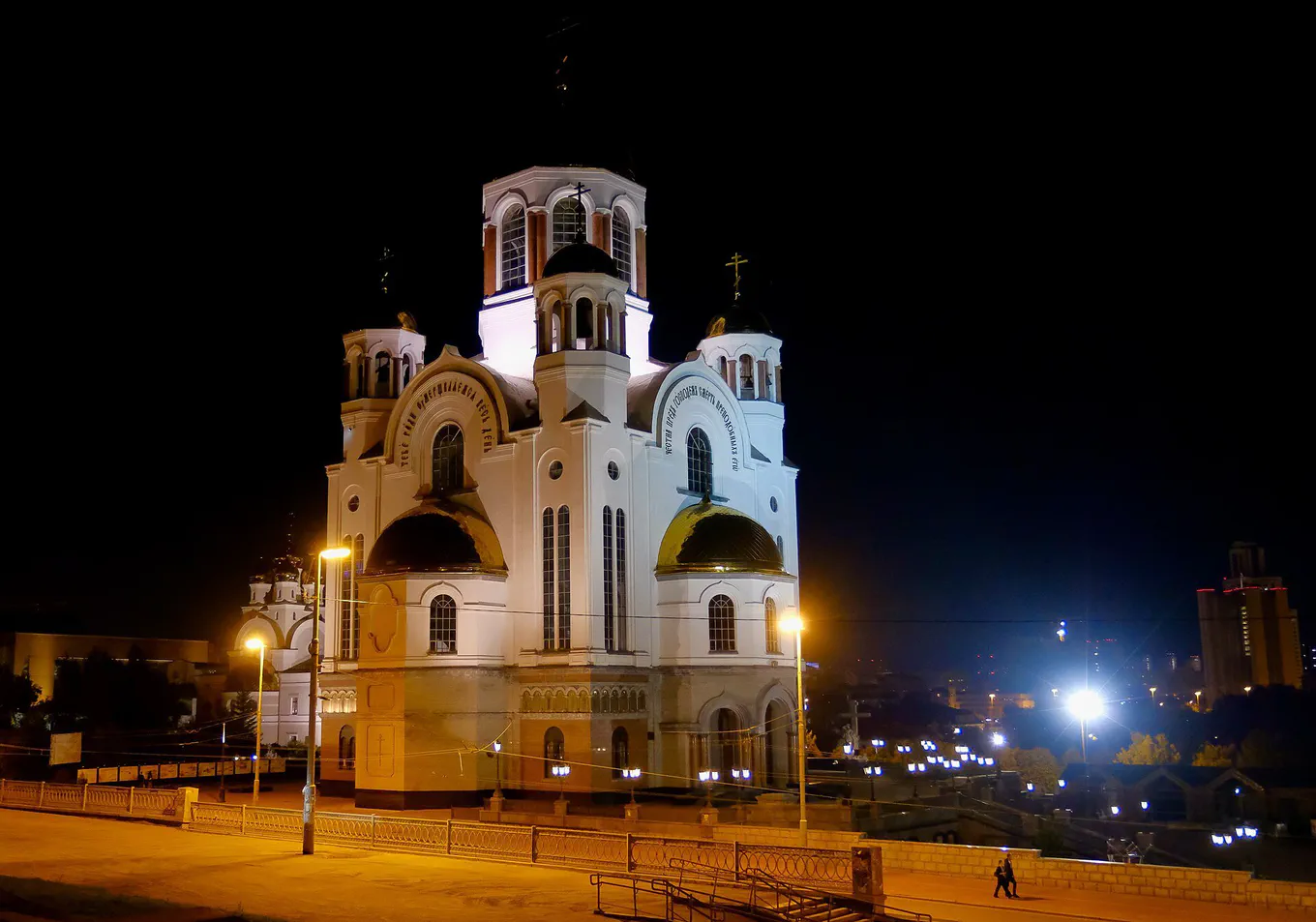
Stand here. The Church on the Blood again, built on the empty ground where the Ipatiev House was demolished.
The Ipatiev House, the merchant’s mansion that stood where the Church on the Blood was later built.Unknown / Public domain.
Boris Yeltsin, later President of Russia, was the regional Party chief in Sverdlovsk when the Politburo declared the Ipatiev House not of “sufficient historical significance” and ordered it pulled down. Officials had been coming in tour groups to pose by the bullet-damaged cellar wall, and the Revolution’s sixtieth anniversary was close. Yeltsin had the house demolished in September 1977. Pilgrims kept coming to the empty site, often secretly at night. Twenty-one years later, as President, he spoke at the Romanovs’ reburial in St Petersburg. “We are all guilty,” he said.
Pack nothing. Leave Friday.
Every Friday, I write a free letter, Journey, that takes us on a trip through places, stories, and ideas.
The Last Days of the Romanovs(Helen Rappaport, 2010). A history. A day-by-day account of the family’s last fourteen days, in the Ipatiev House.
The Malachite Box(Pavel Bazhov, 1939). Folk tales of Ural miners, written in Bazhov’s house on Chapaeva Street while he waited to be arrested.
The Romanovs: The Final Chapter(Robert K. Massie, 1995). A history of the family’s bones, then kept in the city morgue, and of the false survivors, chiefly Anna Anderson.
Dead Mountain(Donnie Eichar, 2013). Non-fiction. An investigation of the 1959 Dyatlov Pass deaths, for which Eichar went to Yekaterinburg to research.
Films to watch before you visit Yekaterinburg
Nicholas and Alexandra(Franklin J. Schaffner, 1971). A film. A British historical epic about the last tsar and his family, who are brought down to a cellar and shot.
The Romanovs: An Imperial Family(Gleb Panfilov, 2000). A film. A Russian historical drama about the last days of Tsar Nicholas II and his family, who are moved to the Ipatiev House in Ekaterinburg.
The Land of Oz(Vassily Sigarev, 2015). A film. A Russian comedy in which Lena decides to hitchhike to Yekaterinburg to find Torforyezov Street and the food stall where she has recently got a job.
Questions
Does the Ipatiev House still stand?
No. Boris Yeltsin, then the regional Party chief, had it demolished in September 1977. The Church on the Blood was built on the site, and its altar stands directly over the spot where the Romanov family was killed.
Where are the Romanovs buried?
Nicholas II and his family were reburied in the Peter and Paul Cathedral in St Petersburg in July 1998. Their bodies had first been thrown into a pit at Ganina Yama, near the village of Koptyaki outside Yekaterinburg. The site was later declared holy ground, and seven chapels were built there.
Is Yekaterinburg in Europe or Asia?
Geographically, it is in Asia. The city lies on the eastern side of the Ural Mountains, the range that divides Europe from Asia, and the Iset River runs through the middle of it.